Evoken

Metal
Doom/Sludge Metal
 Viberate Rank: 139827
 Viberate Rank: 139827
 Monthly ListenersFollowers
 Subscribers
 Followers
 Followers
 FansTop Spotify Songs
| Track | 7-Day Streams | |
|---|---|---|
1 | 2.14K | |
2 | 1.10K | |
3 | 514 | |
4 | 366 | |
5 | 323 |
Top YouTube VideosMonthly ListenersFeatured in Playlists| Playlist | Followers | |
|---|---|---|
1 |  Ultimate Doom Metal Loudwire | 45.65K |
2 |  Funeral Doom asgorath | 8.21K |
3 |  Melodic Death / Doom Metal Melodic Death / Doom Metal | 5.20K |
4 | Gothic Doom Draconian | 4.99K |
5 | BLACKENED DOOM METAL Cazz | 3.86K |
Audience| City | Monthly Listeners | |
|---|---|---|
1 | | 106 |
2 |  | 96 |
3 |  | 85 |
4 |  | 81 |
5 |  | 77 |
See full performance history, audience data, playlist activity, rankings, comparisons, and more in Viberate music analytics. Start with a free trial, then continue with a paid plan.
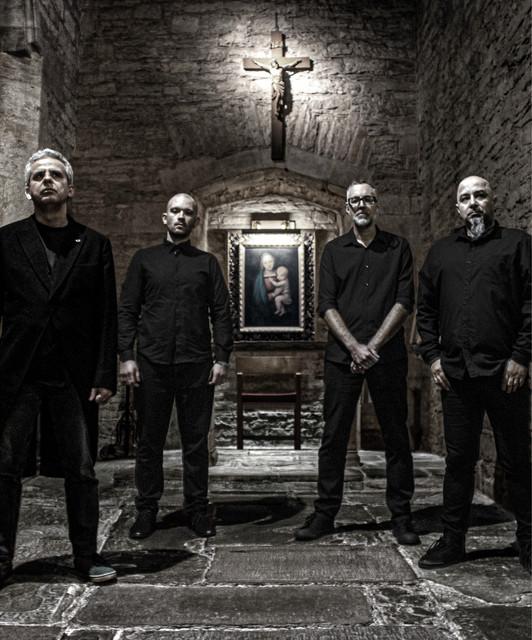
Evoken’s Spotify BioBringing out new stamina to the death and doom metal styles by creating obscure and devastating compositions, Evoken started playing in the beginning of the '90s in Lyndhurst, NJ. Their roots go back to 1992 when guitarist Nick Orlando and bassist Rob Robichaud formed a crew called Funereus. Following several lineup changes, Evoken finally settled its crew in 1996 with the substitution of Robichaud by Steve Moran and with the additions of vocalist John Paradiso, drummer Vince Verkay, and keyboard ruler Dario Derna. In 1995 the team decided to record its first demo disc, Shades of Night Descending, it was eventually re-released by a French label a year later. Appearing on A Call to Irons, an Iron Maiden tribute disc delivered by Dwell Records in 1997, Evoken managed to sign their first record deal a year later. Their first full-length album, Embrace the Emptiness, hit record stores in that same year through Elegy Records. The metal crew then moved towards the European market, and signed… a contract with Avantgarde Records, an Italian label that sponsored the unit's following albums. Quietus, released in the U.S. through Dwell Records, was the band's first release for the European catalogue, in 2001. Before their next album was released, the band parted ways with Derna and Moran (in 2002 and 2004, respectively), bringing on replacement keyboardist Denny Hahn while Paradiso covered bass duties on 2005's, Antithesis of Light. Hahn's stint in the band would be short lived, with keyboardist leaving before the release of 2007's A Caress of the Void. Evoken eventually returned to full strength and then some, recruiting full-time keyboardist Don Zaros, bassist Dave Wagner, and a third guitar player, Nick Molinari. The now six piece band released their fifth album, Atra Mors, on Profound Lore in 2012. ~ Mario Mesquita Borges, Rovi
Viberate is a music analytics platform built for A&Rs, artist managers, labels, booking agents, marketers, and artists.
It helps music professionals track artist growth, analyze audience data, monitor playlist activity, compare artists, follow song performance, and identify opportunities across the music market.
Public artist pages provide a free preview of selected artist data. Paid plans provide access to deeper analytics, historical data, charts, comparisons, playlist tools, exports, alerts, reports, and additional professional features.
Yes. Public Viberate artist pages provide selected artist analytics and music data for free.
Viberate also offers a 7-day free trial of the full platform. A credit card is required to start the trial. The trial includes access to the complete product so users can test deeper artist analytics, historical views, playlist insights, comparisons, charts, exports, alerts, and reporting features before choosing a paid plan.
Viberate provides artist analytics across streaming, playlists, social media, video, radio airplay, songs, and audience markets.
Users can analyze Spotify performance, Spotify and Apple Music playlists, YouTube activity, TikTok and Instagram growth, radio spins, song performance, audience locations, demographics, rankings, and overall artist momentum.
Artist profiles also connect to music charts, similar artists, and comparison tools, helping users benchmark performance and evaluate artists in context.
Viberate updates key artist and track data daily.
For followed artists and tracks, selected data is refreshed multiple times per day. This helps teams monitor playlist changes, streaming movement, audience growth, releases, and campaign performance with more current data.
Update frequency can vary depending on the metric and data source.
Yes. Viberate lets users compare up to five artists side by side across streaming, social media, audience, and engagement metrics.
Users can compare fanbase growth, audience demographics, locations, Spotify performance, social metrics, and other artist data over selected time periods.
Artist comparison can be used for A&R scouting, benchmarking, booking decisions, campaign planning, and evaluating artists with similar audiences or market positions.