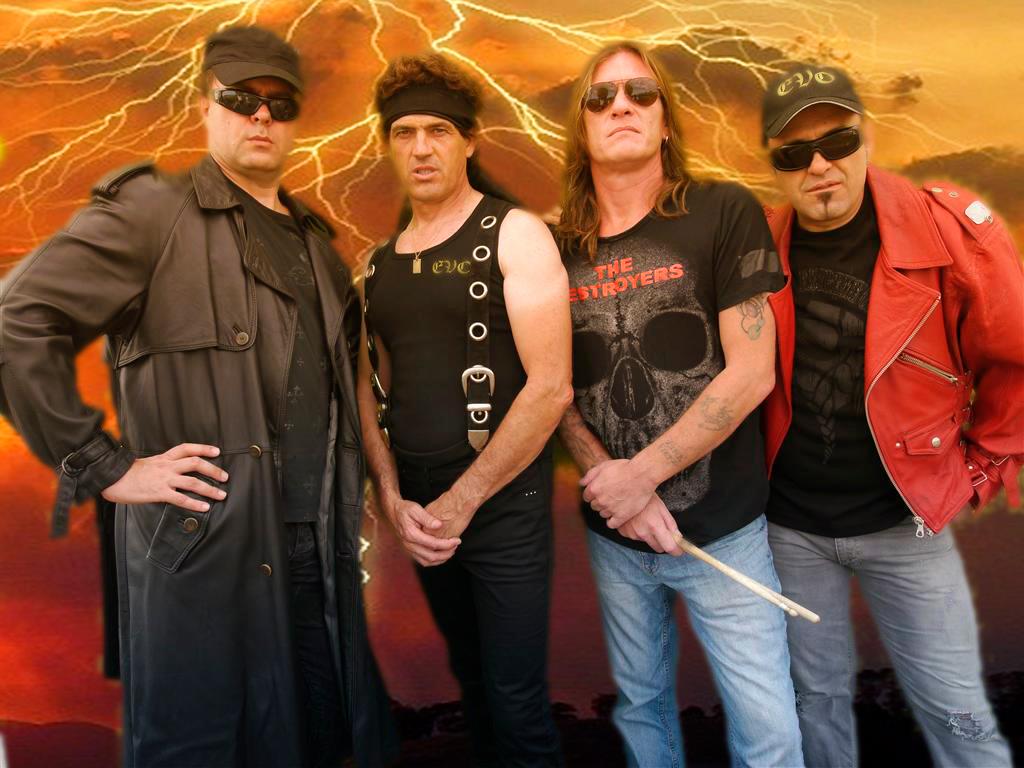
EVO

Metal
Heavy Metal
Speed Metal
 Viberate Rank: 358828
 Viberate Rank: 358828
 Monthly ListenersFollowers
 Subscribers
 Followers
 Followers
 FansTop Spotify Songs
| Track | 7-Day Streams | |
|---|---|---|
1 | 377 | |
2 | 210 | |
3 | 138 | |
4 | 138 | |
5 | 111 |
Top YouTube VideosMonthly ListenersFeatured in Playlists| Playlist | Followers | |
|---|---|---|
1 |  SPEED METAL ATTACK electric_warfare | 10.40K |
2 |  Baladas Heavy - Rock - Metal ( Spanish ) Albert Sater | 3.65K |
3 | Old School Speed Metal Rossenfield | 3.20K |
4 |  POWER METAL en ESPAÑOL 🤘 🔱 THEOCIDE STUDIOS 🔱 | 1.98K |
5 |  Heavy Metal en Español 1980-1999 Gonzalo Andres Quintana | 1.86K |
Audience| City | Monthly Listeners | |
|---|---|---|
1 | | 201 |
2 |  | 156 |
3 | | 130 |
4 |  | 126 |
5 |  | 91 |
See full performance history, audience data, playlist activity, rankings, comparisons, and more in Viberate music analytics. Start with a free trial, then continue with a paid plan.
EVO’s Spotify BioEVO nació en 1981 en Barcelona por iniciativa de Pedro Bruque que llamó a José Vicente Richard que habían hecho la mili juntos en Ceuta.
También reunió a Ramón Solà y a Pepe Cánovas que salió del grupo después del primer bolo.
Entró de cantante Carmen García (hermana de Manolo García).
CBS se fijo rápidamente en la banda y ofreció hacer una maqueta.
Les pareció una música muy dura para la voz de Carmen y ella, por iniciativa propia, dejó la banda, dando paso a Stimula.
Pedro abandona la banda para hacer Tigres y entró Juan C. Barja Zippy.
EMI-Odeón ofreció una maqueta de prueba y rápidamente ofreció un contrato para grabar en Londres, en los Power Plant Studios.
Allí se grabaria el mítico Animal de Ciudad.
Ramón Solà había marchado a la mili y entró provisionalmente Jerónimo Martínez y para reforzar el sonido dieron entrada a otro guitarra Víctor Molero.
Richard
Víctor
Stimula
Zippy
Jerónimo
Fueron los músicos que grabaron el Animal de Ciudad.
Para el 2⁰ trabajo Víctor había abandonado EVO y Ramón… Solà ya había vuelto de la mili.
Así que, entro Jaume Rivera como 2⁰ guitarra y Ramón Solà recuperó su sitio.
Richard
Stimula
Ramón Solà
Zippy
Jaume Rivera grabaron el Duración de lo Eterno, en los estudios Gemma de Barcelona.
En 2025 entran en estudio para grabar un nuevo trabajo.
El primer tema es Maloik, traducción inglesa de la palabra Malocchio (mal de ojo)
Está basada en la historia del gesto de los cuernos que contaba Ronnie James Dio
En 2026 nuevo LP
Viberate is a music analytics platform built for A&Rs, artist managers, labels, booking agents, marketers, and artists.
It helps music professionals track artist growth, analyze audience data, monitor playlist activity, compare artists, follow song performance, and identify opportunities across the music market.
Public artist pages provide a free preview of selected artist data. Paid plans provide access to deeper analytics, historical data, charts, comparisons, playlist tools, exports, alerts, reports, and additional professional features.
Yes. Public Viberate artist pages provide selected artist analytics and music data for free.
Viberate also offers a 7-day free trial of the full platform. A credit card is required to start the trial. The trial includes access to the complete product so users can test deeper artist analytics, historical views, playlist insights, comparisons, charts, exports, alerts, and reporting features before choosing a paid plan.
Viberate provides artist analytics across streaming, playlists, social media, video, radio airplay, songs, and audience markets.
Users can analyze Spotify performance, Spotify and Apple Music playlists, YouTube activity, TikTok and Instagram growth, radio spins, song performance, audience locations, demographics, rankings, and overall artist momentum.
Artist profiles also connect to music charts, similar artists, and comparison tools, helping users benchmark performance and evaluate artists in context.
Viberate updates key artist and track data daily.
For followed artists and tracks, selected data is refreshed multiple times per day. This helps teams monitor playlist changes, streaming movement, audience growth, releases, and campaign performance with more current data.
Update frequency can vary depending on the metric and data source.
Yes. Viberate lets users compare up to five artists side by side across streaming, social media, audience, and engagement metrics.
Users can compare fanbase growth, audience demographics, locations, Spotify performance, social metrics, and other artist data over selected time periods.
Artist comparison can be used for A&R scouting, benchmarking, booking decisions, campaign planning, and evaluating artists with similar audiences or market positions.