Evil Nine

Electronic
Downtempo
Other Electronic Music
Dance
 Viberate Rank: 74899
 Viberate Rank: 74899
 Monthly ListenersFollowers
 Subscribers
 Followers
 Followers
 FansTop Spotify Songs
| Track | 7-Day Streams | |
|---|---|---|
1 | 45.03K | |
2 | 16.52K | |
3 | 11.44K | |
4 | 10.87K | |
5 | 6.78K |
Top YouTube VideosMonthly ListenersFeatured in Playlists| Playlist | Followers | |
|---|---|---|
1 |  Fast & Furious Official Playlist Spotify | 362.18K |
2 |  Rápido y Furioso 1 2 3 4 5 6 7 8 9 10 Owen Bañuelos | 241.26K |
3 |  Fast and Furious Soundtrack 1-9 CLASSICS | 227.58K |
4 |  Fast and Furios - The Best Songs JT | 211.24K |
5 |  Big Beat Spotify | 120.17K |
Audience| City | Monthly Listeners | |
|---|---|---|
1 | | 3.79K |
2 |  | 3.27K |
3 |  | 3.08K |
4 | | 2.94K |
5 |  | 2.58K |
See full performance history, audience data, playlist activity, rankings, comparisons, and more in Viberate music analytics. Start with a free trial, then continue with a paid plan.
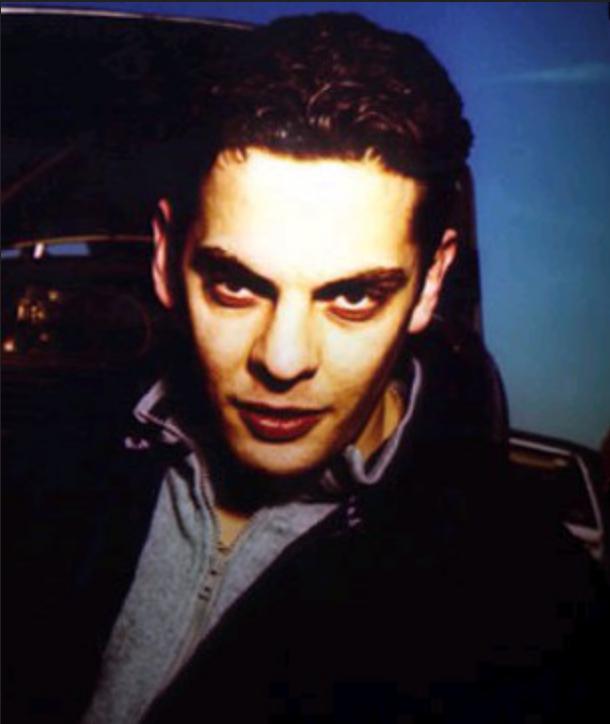
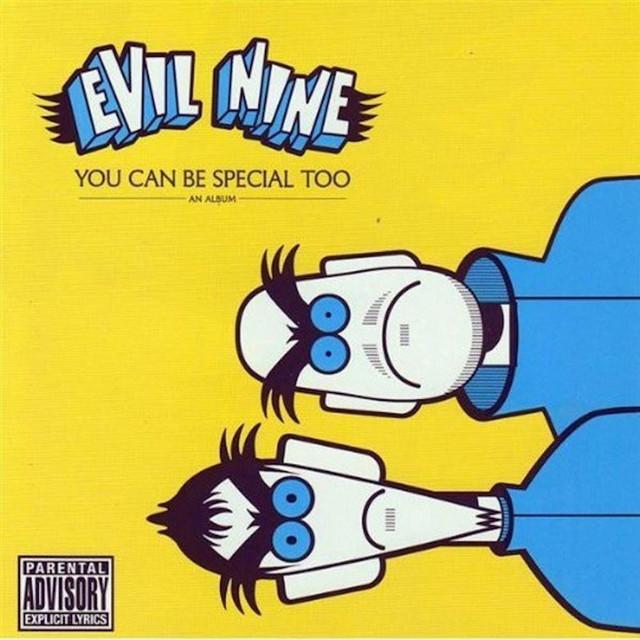
Evil Nine’s Spotify BioAffiliated with Adam Freeland's Marine Parade label, Evil Nine draws inspiration from a range of musical styles to create a diverse electronic dance style of their own that is driven by breakbeats and often incorporates vocals. Comprised of Tom Beaufoy and Pat Pardy, the DJ/production duo from Brighton, England -- citing such influences as hip-hop, punk, electro, dancehall, post-punk, garage rock, techno, and Krautrock -- formed in 1998 and, not long thereafter, was signed to Marine Parade, the label of British breaks legend Adam Freeland, after passing along a cassette demo via a mutual friend, Jemma Griffiths (aka Jem). Evil Nine made their label debut in 2000 with the 12" single "Less Stress/Special Move," followed by another, "Technology/Big Game Hunter," later in the year. After a couple further 12" singles -- "Cakehole" (2002), "For Lovers, Not Fighters" (2003) -- the duo made its full-length album debut with You Can Be Special Too (2004), whose release was accompanied in 2004 by… a pair of separately released 12" singles: "Restless" (featuring Toastie Taylor) and "Crooked" (featuring Aesop Rock). A pair of DJ mix albums -- an entry in the Y4K series on Distinct'ive Breaks Records and one in the Fabriclive series on Fabric -- followed in 2005 and 2006, respectively, as did a one-off 12" single for Marine Parade, "Pearl Shot," in 2005. Evil Nine's second studio album was planned for release in 2007 but never materialized; in the meantime, the duo continued to perform live, including at festivals such as Coachella and Future Music Festival, and new material was occasionally previewed by Freeland in his DJ sets. ~ Jason Birchmeier, Rovi
Viberate is a music analytics platform built for A&Rs, artist managers, labels, booking agents, marketers, and artists.
It helps music professionals track artist growth, analyze audience data, monitor playlist activity, compare artists, follow song performance, and identify opportunities across the music market.
Public artist pages provide a free preview of selected artist data. Paid plans provide access to deeper analytics, historical data, charts, comparisons, playlist tools, exports, alerts, reports, and additional professional features.
Yes. Public Viberate artist pages provide selected artist analytics and music data for free.
Viberate also offers a 7-day free trial of the full platform. A credit card is required to start the trial. The trial includes access to the complete product so users can test deeper artist analytics, historical views, playlist insights, comparisons, charts, exports, alerts, and reporting features before choosing a paid plan.
Viberate provides artist analytics across streaming, playlists, social media, video, radio airplay, songs, and audience markets.
Users can analyze Spotify performance, Spotify and Apple Music playlists, YouTube activity, TikTok and Instagram growth, radio spins, song performance, audience locations, demographics, rankings, and overall artist momentum.
Artist profiles also connect to music charts, similar artists, and comparison tools, helping users benchmark performance and evaluate artists in context.
Viberate updates key artist and track data daily.
For followed artists and tracks, selected data is refreshed multiple times per day. This helps teams monitor playlist changes, streaming movement, audience growth, releases, and campaign performance with more current data.
Update frequency can vary depending on the metric and data source.
Yes. Viberate lets users compare up to five artists side by side across streaming, social media, audience, and engagement metrics.
Users can compare fanbase growth, audience demographics, locations, Spotify performance, social metrics, and other artist data over selected time periods.
Artist comparison can be used for A&R scouting, benchmarking, booking decisions, campaign planning, and evaluating artists with similar audiences or market positions.