Evil Eyes

Rock
Indie Rock
 Viberate Rank: 626171
 Viberate Rank: 626171
 Monthly ListenersFollowers
 Subscribers
 Followers
 Followers
 FansTop Spotify Songs
| Track | 7-Day Streams | |
|---|---|---|
1 | 24 | |
2 | 8 | |
3 | 7 | |
4 | 7 | |
5 | 5 |
Top YouTube VideosMonthly ListenersFeatured in Playlists| Playlist | Followers | |
|---|---|---|
1 | 60s Psychedelic Trip andreas1965-71 | 8.20K |
2 | 88.9 Radio Milwaukee Jonathan Dufrene | 2.33K |
3 |  Bedroom Pop/Indie Rock/Indie Pop/Dreampop/Shoegaze/LoFi/Chillwave Morgana | 2.08K |
4 | Sunshine Pop Psych Era Motokuni Kiyomiya | 1.76K |
Audience| City | Monthly Listeners | |
|---|---|---|
1 |  | 6 |
2 | | 5 |
3 | | 3 |
4 | | 3 |
See full performance history, audience data, playlist activity, rankings, comparisons, and more in Viberate music analytics. Start with a free trial, then continue with a paid plan.
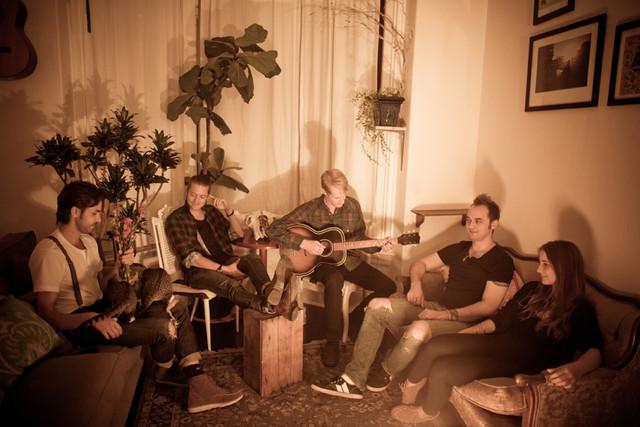
Evil Eyes’ Spotify BioThe dark shoegaze indie of Evil Eyes was born in the sunny climes of Nashville in 2009 when Greg Mabry and Joe Frabotta met in their last year of college when both enrolled in a recording class. The two bonded over a shared love of the darker side of pop and began writing songs together just months before school ended and Frabotta was scheduled to relocate to the Bay Area. The duo operated long-distance for two years, visiting each other occasionally for marathon songwriting and recording sessions. In 2011 Mabry made the leap and joined Frabotta in San Francisco to work more seriously on the project. Choosing the name Evil Eyes, the pair issued a self-titled EP and two 7" singles in the space of less than a year. Late in 2012 the lineup expanded, with bassist Aleks Bars, drummer Brian DaMert, and vocalist Angelica Rockne added to the core duo, still responsible for composition and recording. Evil Eyes' first full-length was slated for release sometime in 2013. ~ Fred Thomas, Rovi
Viberate is a music analytics platform built for A&Rs, artist managers, labels, booking agents, marketers, and artists.
It helps music professionals track artist growth, analyze audience data, monitor playlist activity, compare artists, follow song performance, and identify opportunities across the music market.
Public artist pages provide a free preview of selected artist data. Paid plans provide access to deeper analytics, historical data, charts, comparisons, playlist tools, exports, alerts, reports, and additional professional features.
Yes. Public Viberate artist pages provide selected artist analytics and music data for free.
Viberate also offers a 7-day free trial of the full platform. A credit card is required to start the trial. The trial includes access to the complete product so users can test deeper artist analytics, historical views, playlist insights, comparisons, charts, exports, alerts, and reporting features before choosing a paid plan.
Viberate provides artist analytics across streaming, playlists, social media, video, radio airplay, songs, and audience markets.
Users can analyze Spotify performance, Spotify and Apple Music playlists, YouTube activity, TikTok and Instagram growth, radio spins, song performance, audience locations, demographics, rankings, and overall artist momentum.
Artist profiles also connect to music charts, similar artists, and comparison tools, helping users benchmark performance and evaluate artists in context.
Viberate updates key artist and track data daily.
For followed artists and tracks, selected data is refreshed multiple times per day. This helps teams monitor playlist changes, streaming movement, audience growth, releases, and campaign performance with more current data.
Update frequency can vary depending on the metric and data source.
Yes. Viberate lets users compare up to five artists side by side across streaming, social media, audience, and engagement metrics.
Users can compare fanbase growth, audience demographics, locations, Spotify performance, social metrics, and other artist data over selected time periods.
Artist comparison can be used for A&R scouting, benchmarking, booking decisions, campaign planning, and evaluating artists with similar audiences or market positions.