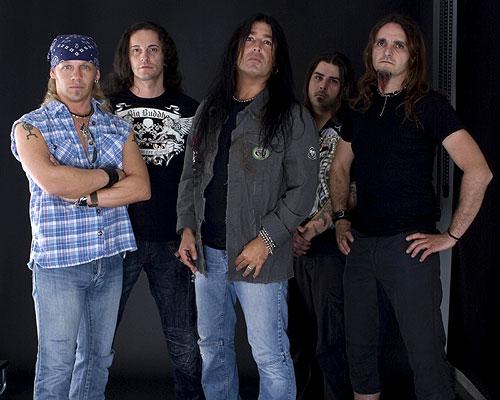
Evidence One

Metal
Heavy Metal
Pop Rock
 Viberate Rank: 557506
 Viberate Rank: 557506
 Monthly ListenersFollowers
 Subscribers
 Followers
 Followers
 FansTop Spotify Songs
| Track | 7-Day Streams | |
|---|---|---|
1 | 31 | |
2 | 26 | |
3 | 20 | |
4 | 16 | |
5 | 13 |
Top YouTube VideosMonthly ListenersFeatured in Playlists| Playlist | Followers | |
|---|---|---|
1 | AOR / Melodic Rock Magnus Olsson | 6.17K |
2 | Metal: Power/Speed/Symphonic/Melodic/Neo-Classical/Prog Parasaurolophus Hadrosauridae | 1.90K |
3 | Hard rock Ballads 😎 Power ballads Patrik M Larsson | 1.35K |
4 |  This is: Caiman Metal caimanjr | 1.18K |
Audience| City | Monthly Listeners | |
|---|---|---|
1 |  | 8 |
2 | | 7 |
3 | | 6 |
4 |  | 6 |
5 |  | 4 |
See full performance history, audience data, playlist activity, rankings, comparisons, and more in Viberate music analytics. Start with a free trial, then continue with a paid plan.
Evidence One’s Spotify BioIn 2002 EVIDENCE ONE debuted with “Criticize The Truth”, an album that was originally written just for fun, but then became the foundation of a real band. The two mainmen are well-known throughout the Rock & Metal scene: Robby Böbel (FRONTLINE) and Carsten “Lizard” Schulz (ex- DOMAIN), who had found a first class line up together with Hutch Bauer (from FRONTLINE as well) on bass, Wolfgang Schimmer (2nd guitar) and Rami Ali (JUSTICE, LEX ) on drums. The fantastic song material received huge attention all over Europe so it was no surprise that EVIDENCE ONE were invited to festivals such as “Gods Of AOR” (as first German band ever!) and “Wacken Open Air” in 2003. “Tattooed Heart“, the second record has turned out to what many had wished: A masterpiece, built on majestic guitarwork, divine vocals, heaviness and melody.
In 2005, the band got the chance to tour Germany again, this time with none other than ALICE COOPER himself. 2006 saw the band making a deep impact on the first 'Rock Of… Ages Festival' together with the likes of TWISTED SISTER, GOTTHARD, URIAH HEEP or UFO amongst others. The new lead guitarist Joerg "Warthy" Wartmann replaced Robby Böbel. Robby finally decided to focus more on the production and songwriting side of music. His first goal was to write the follow up to "Tattooed Heart". Together with Carsten Lizard Schulz, Robby Böbel managed to produce and write EVIDENCE ONE´s third full length output "The Sky Is The Limit".
Viberate is a music analytics platform built for A&Rs, artist managers, labels, booking agents, marketers, and artists.
It helps music professionals track artist growth, analyze audience data, monitor playlist activity, compare artists, follow song performance, and identify opportunities across the music market.
Public artist pages provide a free preview of selected artist data. Paid plans provide access to deeper analytics, historical data, charts, comparisons, playlist tools, exports, alerts, reports, and additional professional features.
Yes. Public Viberate artist pages provide selected artist analytics and music data for free.
Viberate also offers a 7-day free trial of the full platform. A credit card is required to start the trial. The trial includes access to the complete product so users can test deeper artist analytics, historical views, playlist insights, comparisons, charts, exports, alerts, and reporting features before choosing a paid plan.
Viberate provides artist analytics across streaming, playlists, social media, video, radio airplay, songs, and audience markets.
Users can analyze Spotify performance, Spotify and Apple Music playlists, YouTube activity, TikTok and Instagram growth, radio spins, song performance, audience locations, demographics, rankings, and overall artist momentum.
Artist profiles also connect to music charts, similar artists, and comparison tools, helping users benchmark performance and evaluate artists in context.
Viberate updates key artist and track data daily.
For followed artists and tracks, selected data is refreshed multiple times per day. This helps teams monitor playlist changes, streaming movement, audience growth, releases, and campaign performance with more current data.
Update frequency can vary depending on the metric and data source.
Yes. Viberate lets users compare up to five artists side by side across streaming, social media, audience, and engagement metrics.
Users can compare fanbase growth, audience demographics, locations, Spotify performance, social metrics, and other artist data over selected time periods.
Artist comparison can be used for A&R scouting, benchmarking, booking decisions, campaign planning, and evaluating artists with similar audiences or market positions.