Everybody Else

Rock
Pop Rock
Power Pop
 Viberate Rank: 325000
 Viberate Rank: 325000
 Monthly ListenersFollowers
 Subscribers
 Followers
 Followers
 FansTop Spotify Songs
| Track | 7-Day Streams | |
|---|---|---|
1 | 192 | |
2 | 158 | |
3 | 102 | |
4 | 99 | |
5 | 81 |
Top YouTube VideosMonthly ListenersFeatured in Playlists| Playlist | Followers | |
|---|---|---|
1 | El Convidat 3Cat | 24.98K |
2 |  The Hills Soundtrack Official Playlist MTV Soundtrack | 11.34K |
3 |  Hollister 2005-2008 rectaj | 6.43K |
4 |  90210 Soundtrack Jared Forrest | 3.48K |
5 | The Hills/ Laguna Beach Jfi Dunivan | 3.20K |
Audience| City | Monthly Listeners | |
|---|---|---|
1 | | 42 |
2 |  | 27 |
3 | | 17 |
4 | | 17 |
5 | | 15 |
See full performance history, audience data, playlist activity, rankings, comparisons, and more in Viberate music analytics. Start with a free trial, then continue with a paid plan.
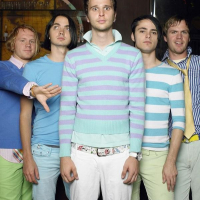
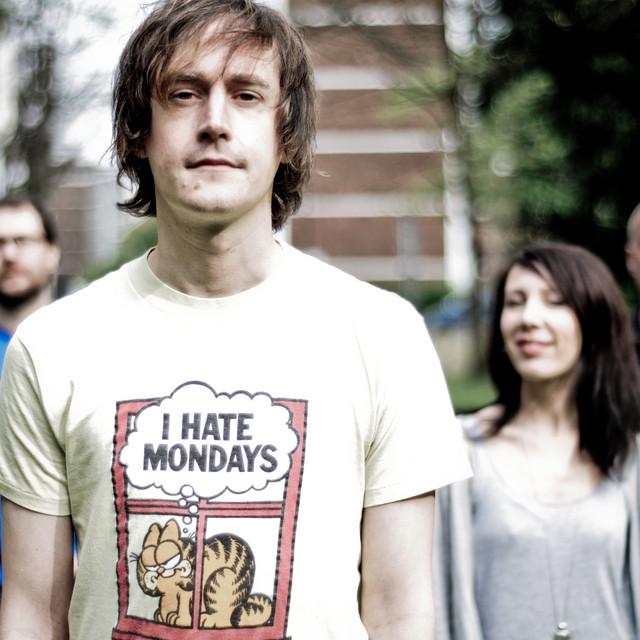
Everybody Else’s Spotify BioA California three-piece that has taken the sound of classic power pop and coaxed it into the 21st century, Everybody Else feature Carrick Moore Gerety on guitar and lead vocals, Austin James Williams III on bass and vocals, and Mikey McCormack on drums, vocals, and sometimes keyboards. Named for the classic Kinks song "I'm Not Like Everybody Else," the group traces its beginnings to the meeting of Gerety and McCormack after each had moved to Los Angeles. Gerety had come to California from Massachusetts with his band, the Push Kings, while McCormack's group, the Waking Hours, had decided to give the West Coast a try after establishing themselves in Virginia. Their two bands didn't fare well in Los Angeles, but Gerety and McCormack quickly struck up a friendship and working relationship, and decided to put together a power trio. After playing with a handful of bassists who didn't fit the bill, Gerety and McCormack met Williams when he pulled up stakes from Fresno, CA, and found new digs… in the Silverlake district. With a sympathetic bass player at last, Everybody Else began playing out along the West Coast in 2003, and had soon won a loyal fan following in California. After selling out a self-released single and subsequent EP, Everybody Else signed with the independent label The Militia Group, and went into the studio with producer Rick Parker to record their self-titled debut album. Everybody Else was released in the spring of 2007. ~ Mark Deming, Rovi
Viberate is a music analytics platform built for A&Rs, artist managers, labels, booking agents, marketers, and artists.
It helps music professionals track artist growth, analyze audience data, monitor playlist activity, compare artists, follow song performance, and identify opportunities across the music market.
Public artist pages provide a free preview of selected artist data. Paid plans provide access to deeper analytics, historical data, charts, comparisons, playlist tools, exports, alerts, reports, and additional professional features.
Yes. Public Viberate artist pages provide selected artist analytics and music data for free.
Viberate also offers a 7-day free trial of the full platform. A credit card is required to start the trial. The trial includes access to the complete product so users can test deeper artist analytics, historical views, playlist insights, comparisons, charts, exports, alerts, and reporting features before choosing a paid plan.
Viberate provides artist analytics across streaming, playlists, social media, video, radio airplay, songs, and audience markets.
Users can analyze Spotify performance, Spotify and Apple Music playlists, YouTube activity, TikTok and Instagram growth, radio spins, song performance, audience locations, demographics, rankings, and overall artist momentum.
Artist profiles also connect to music charts, similar artists, and comparison tools, helping users benchmark performance and evaluate artists in context.
Viberate updates key artist and track data daily.
For followed artists and tracks, selected data is refreshed multiple times per day. This helps teams monitor playlist changes, streaming movement, audience growth, releases, and campaign performance with more current data.
Update frequency can vary depending on the metric and data source.
Yes. Viberate lets users compare up to five artists side by side across streaming, social media, audience, and engagement metrics.
Users can compare fanbase growth, audience demographics, locations, Spotify performance, social metrics, and other artist data over selected time periods.
Artist comparison can be used for A&R scouting, benchmarking, booking decisions, campaign planning, and evaluating artists with similar audiences or market positions.