EVE

Pop
k-pop
Alternative Rock
 Viberate Rank: 325264
 Viberate Rank: 325264
 Monthly ListenersFollowers
 Subscribers
 Followers
 Followers
 FansTop Spotify Songs
| Track | 7-Day Streams | |
|---|---|---|
1 | 1.23K | |
2 | 644 | |
3 | 185 | |
4 | 94 | |
5 | 88 |
Top YouTube VideosMonthly ListenersFeatured in Playlists| Playlist | Followers | |
|---|---|---|
1 |  Lovely Runner OST (Original Soundtrack) and BGM marsyi | 7.88K |
2 | 30대-40대 추억 소환 Jaehun | 3.34K |
3 |  1990~2000년대 노래모음 Janice O | 2.62K |
4 |  kpop 한국 90년대 00초 Yong Eun Kim | 2.42K |
5 |  KROCK: (Korean rock, pop punk, metal, rap rock and more) Kaleulla | 2.10K |
Audience| City | Monthly Listeners | |
|---|---|---|
1 | | 657 |
2 | | 532 |
3 | | 328 |
4 | | 158 |
5 | | 154 |
See full performance history, audience data, playlist activity, rankings, comparisons, and more in Viberate music analytics. Start with a free trial, then continue with a paid plan.
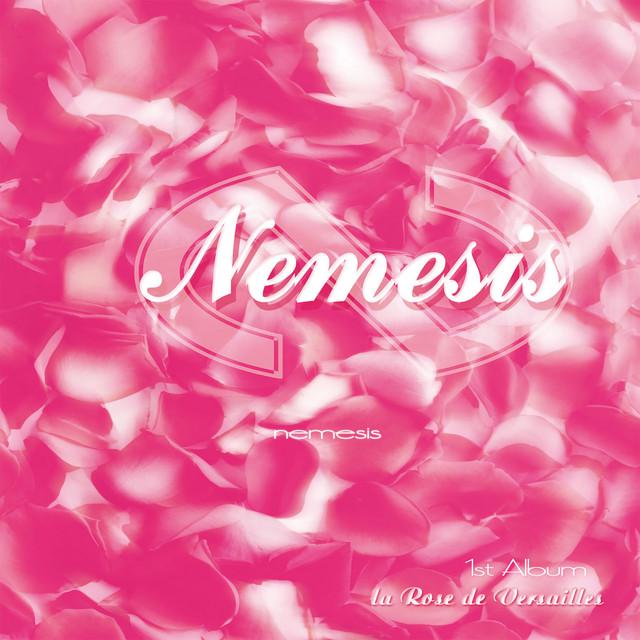
EVE’s Spotify BioEve is a project of the South Korean vocalist Kim Seheon, who led the band to success on the domestic rock scene in the 2000s despite frequent lineup problems. The band is labeled visual kei and even draws comparisons to X-Japan, although it prefers to balance the harder alt-rock songs with plenty of ballads. Kim Seheon first scored on the Korean rock charts with his indie band G.I.R.L., which recorded the successful single "Aspirin," but this group split after two albums, leaving the singer alone. He first hatched the idea of a new group on Christmas Eve of 1997 (hence the name), and the project began to take shape soon, when Kim Seheon found G. Gorilla (real name Ko Hyun Ghi), who became Eve's producer and songwriter. The local underground scene provided guest musicians Park Woong (guitar) and Kim Gun (bass), who became full-time members after the release of Eve's eponymous debut album (1998), which made people pay attention to this collective, not the least because it was one of the… few Korean visual kei groups. This lineup lasted over the course of three more albums (Eros, 1999; Fly to You, 2000; Swear, 2001), but imploded in 2002: G. Gorilla established G. Gorilla Band and Park Woong and Kim Gun formed Virus. Kim Seheon released the fifth album EveR (2002) as a solo project, and then recruited four new members: guitarists Ha Sebin and Jung U. Hwa, bassist Kim Seungjoo and keyboard player Choi Minchang. The new Eve went on recording new material -- Welcome to Planet Eve (2003), Seventh Evening (2006), Play Me (2007) -- although it didn't attain full stability: in 2005, Ha Sebin returned to his former band Nemesis for a while to get its debut record out, and after that most of the new members had to take an Elvis-like break from music, being drafted into mandatory military service. ~ Alexey Eremenko, Rovi
Viberate is a music analytics platform built for A&Rs, artist managers, labels, booking agents, marketers, and artists.
It helps music professionals track artist growth, analyze audience data, monitor playlist activity, compare artists, follow song performance, and identify opportunities across the music market.
Public artist pages provide a free preview of selected artist data. Paid plans provide access to deeper analytics, historical data, charts, comparisons, playlist tools, exports, alerts, reports, and additional professional features.
Yes. Public Viberate artist pages provide selected artist analytics and music data for free.
Viberate also offers a 7-day free trial of the full platform. A credit card is required to start the trial. The trial includes access to the complete product so users can test deeper artist analytics, historical views, playlist insights, comparisons, charts, exports, alerts, and reporting features before choosing a paid plan.
Viberate provides artist analytics across streaming, playlists, social media, video, radio airplay, songs, and audience markets.
Users can analyze Spotify performance, Spotify and Apple Music playlists, YouTube activity, TikTok and Instagram growth, radio spins, song performance, audience locations, demographics, rankings, and overall artist momentum.
Artist profiles also connect to music charts, similar artists, and comparison tools, helping users benchmark performance and evaluate artists in context.
Viberate updates key artist and track data daily.
For followed artists and tracks, selected data is refreshed multiple times per day. This helps teams monitor playlist changes, streaming movement, audience growth, releases, and campaign performance with more current data.
Update frequency can vary depending on the metric and data source.
Yes. Viberate lets users compare up to five artists side by side across streaming, social media, audience, and engagement metrics.
Users can compare fanbase growth, audience demographics, locations, Spotify performance, social metrics, and other artist data over selected time periods.
Artist comparison can be used for A&R scouting, benchmarking, booking decisions, campaign planning, and evaluating artists with similar audiences or market positions.