Eugène Bozza

Classical
Chamber Music
Choral
 Viberate Rank: 350151
 Viberate Rank: 350151
 Monthly ListenersFollowers
 Subscribers
 Followers
 Followers
 FansTop YouTube VideosMonthly ListenersFeatured in Playlists
| Playlist | Followers | |
|---|---|---|
1 |  The Sound of Everything The Sounds of Spotify | 53.82K |
2 | Classical Flute sabikam | 15.91K |
3 |  Oboe Solos I Like ❤️ Collin | 7.11K |
4 | Viola Solos Tönchen | 6.43K |
5 | Music for Writing Hans-Peter Akkerman | 5.84K |
Audience| City | Monthly Listeners | |
|---|---|---|
1 |  | 91 |
2 |  | 87 |
3 | | 86 |
4 | | 78 |
5 |  | 77 |
See full performance history, audience data, playlist activity, rankings, comparisons, and more in Viberate music analytics. Start with a free trial, then continue with a paid plan.
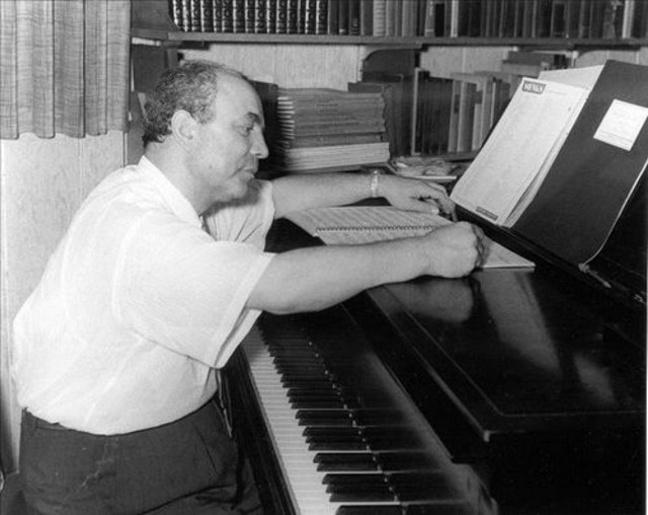
Eugène Bozza’s Spotify BioFrench composer and conductor Eugène Bozza wrote many large-scale stage works, but he is best known outside of France for more modest woodwind and brass pieces in a highly accessible, elegant, lyrical style. Some have become standard student test works; others, for wind quintet, saxophone quartet, and various unusual instrumental combinations, are favorite faculty recital items. Celebrity soloists rarely play his music, but Bozza is nevertheless widely heard in European and American conservatories.
He studied at the Paris Conservatory with the likes of Büsser and Rabaud; he was a brilliant student, taking first prize in violin, conducting, and composition. In 1934 his lyric fantasy La Légende de Roukmani garnered him the Prix de Rome. After the Italian sojourn that came with that prize, Bozza served as conductor of the Paris Opéra-Comique from 1939 to 1948. In 1951 he moved to Valenciennes to become director of the Ecole Nacionale de Musique, a post he held until his 1975 retirement. In… 1956 he became a Chevalier of the Legion of Honor. Among his larger works are a symphony, a violin concerto, a piano concerto, and two Requiems. Perhaps significantly, his stage works -- including the ballets Fêtes romaines and Jeux de plage and the operas Beppo and La Duchesse de Langeais -- were premiered not in Paris but in provincial centers, notably Lille.
Viberate is a music analytics platform built for A&Rs, artist managers, labels, booking agents, marketers, and artists.
It helps music professionals track artist growth, analyze audience data, monitor playlist activity, compare artists, follow song performance, and identify opportunities across the music market.
Public artist pages provide a free preview of selected artist data. Paid plans provide access to deeper analytics, historical data, charts, comparisons, playlist tools, exports, alerts, reports, and additional professional features.
Yes. Public Viberate artist pages provide selected artist analytics and music data for free.
Viberate also offers a 7-day free trial of the full platform. A credit card is required to start the trial. The trial includes access to the complete product so users can test deeper artist analytics, historical views, playlist insights, comparisons, charts, exports, alerts, and reporting features before choosing a paid plan.
Viberate provides artist analytics across streaming, playlists, social media, video, radio airplay, songs, and audience markets.
Users can analyze Spotify performance, Spotify and Apple Music playlists, YouTube activity, TikTok and Instagram growth, radio spins, song performance, audience locations, demographics, rankings, and overall artist momentum.
Artist profiles also connect to music charts, similar artists, and comparison tools, helping users benchmark performance and evaluate artists in context.
Viberate updates key artist and track data daily.
For followed artists and tracks, selected data is refreshed multiple times per day. This helps teams monitor playlist changes, streaming movement, audience growth, releases, and campaign performance with more current data.
Update frequency can vary depending on the metric and data source.
Yes. Viberate lets users compare up to five artists side by side across streaming, social media, audience, and engagement metrics.
Users can compare fanbase growth, audience demographics, locations, Spotify performance, social metrics, and other artist data over selected time periods.
Artist comparison can be used for A&R scouting, benchmarking, booking decisions, campaign planning, and evaluating artists with similar audiences or market positions.