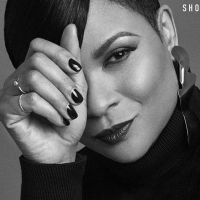
Eternal

R&B
Contemporary R&B
Mainstream Pop
Soul
 Viberate Rank: 50812
 Viberate Rank: 50812
 Monthly ListenersFollowers
 Subscribers
 Followers
 Followers
 FansTop Spotify Songs
| Track | 7-Day Streams | |
|---|---|---|
1 | 156.23K | |
2 | 83.69K | |
3 | 22.91K | |
4 | 18.60K | |
5 | 17.33K |
Top YouTube Videos| Video | 7-Day Views | |
|---|---|---|
1 | 1.25K | |
2 | 580 | |
3 | 503 | |
4 | 425 | |
5 | 193 |
Monthly ListenersFeatured in Playlists| Playlist | Followers | |
|---|---|---|
1 |  Best of British Spotify | 769.76K |
2 |  Soundtrack Love Songs Spotify | 657.76K |
3 |  Black Britain: Soul Sisters Spotify | 158.35K |
4 |  Derry Girls: Every Single Fab Tune Rory McEvoy | 128.86K |
5 |  80s & 90s Classics Mick Zegers | 104.81K |
Audience| City | Monthly Listeners | |
|---|---|---|
1 | | 26.57K |
2 | | 13.60K |
3 |  | 11.57K |
4 | | 9.83K |
5 | | 8.78K |
See full performance history, audience data, playlist activity, rankings, comparisons, and more in Viberate music analytics. Start with a free trial, then continue with a paid plan.
Eternal’s Spotify BioEternal was formed in 1992 when two sisters and founding members, Easther Bennett and Vernie Bennett met Louise Nurding (now Redknapp) and Kelle Bryan. They released their debut album ‘Always and Forever’ in 1993 and with their lead single ‘Stay’ they became an international success. Louise left the band in 1994, very early into the bands debut success . In 1995 the group released their second album and achieved continued success with hits like ‘Power of a Woman’, ‘I am Blessed’ ‘Good Thing’ and many more. This success was followed by their third album ‘Before the Rain’ which contains their first number one hit ‘I Wanna Be The Only One’, a duet with international gospel singer and songwriter Bebe Winans. After a Greatest Hits Album, also released in 1997, Easther and Vernie continued as a duo with a self-titled album ‘Eternal’. The group has sold more than 10 million records worldwide and sales continue.
Viberate is a music analytics platform built for A&Rs, artist managers, labels, booking agents, marketers, and artists.
It helps music professionals track artist growth, analyze audience data, monitor playlist activity, compare artists, follow song performance, and identify opportunities across the music market.
Public artist pages provide a free preview of selected artist data. Paid plans provide access to deeper analytics, historical data, charts, comparisons, playlist tools, exports, alerts, reports, and additional professional features.
Yes. Public Viberate artist pages provide selected artist analytics and music data for free.
Viberate also offers a 7-day free trial of the full platform. A credit card is required to start the trial. The trial includes access to the complete product so users can test deeper artist analytics, historical views, playlist insights, comparisons, charts, exports, alerts, and reporting features before choosing a paid plan.
Viberate provides artist analytics across streaming, playlists, social media, video, radio airplay, songs, and audience markets.
Users can analyze Spotify performance, Spotify and Apple Music playlists, YouTube activity, TikTok and Instagram growth, radio spins, song performance, audience locations, demographics, rankings, and overall artist momentum.
Artist profiles also connect to music charts, similar artists, and comparison tools, helping users benchmark performance and evaluate artists in context.
Viberate updates key artist and track data daily.
For followed artists and tracks, selected data is refreshed multiple times per day. This helps teams monitor playlist changes, streaming movement, audience growth, releases, and campaign performance with more current data.
Update frequency can vary depending on the metric and data source.
Yes. Viberate lets users compare up to five artists side by side across streaming, social media, audience, and engagement metrics.
Users can compare fanbase growth, audience demographics, locations, Spotify performance, social metrics, and other artist data over selected time periods.
Artist comparison can be used for A&R scouting, benchmarking, booking decisions, campaign planning, and evaluating artists with similar audiences or market positions.