Estrago

Rock
Alternative Rock
 Viberate Rank: 236787
 Viberate Rank: 236787
 Monthly ListenersFollowers
 Subscribers
 Followers
 Followers
 FansTop Spotify Songs
| Track | 7-Day Streams | |
|---|---|---|
1 | 12.41K | |
2 | 10.90K | |
3 | 3.10K | |
4 | 1.60K | |
5 | 1.17K |
Top YouTube Videos| Video | 7-Day Views | |
|---|---|---|
1 | 4 | |
2 | 2 | |
3 | 1 | |
4 | 1 |
Monthly ListenersFeatured in Playlists| Playlist | Followers | |
|---|---|---|
1 |  rock español Dedilav | 10.84K |
2 | Fat Music for Fat People Sergi Calzada Baños | 3.46K |
3 |  Punk en Español jpaz932 | 2.13K |
4 | Boikot, La Raíz, Los de Marras, Vendetta, Sinkope, Talco Ainhoa | 1.72K |
5 |  Kutxi Romero (Marea) Colaboraciones y Versiones Antonio Fco Quintana | 1.72K |
Audience| City | Monthly Listeners | |
|---|---|---|
1 | | 7.92K |
2 | | 3.18K |
3 | | 1.94K |
4 | | 1.13K |
5 | | 1.02K |
See full performance history, audience data, playlist activity, rankings, comparisons, and more in Viberate music analytics. Start with a free trial, then continue with a paid plan.
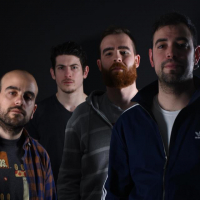
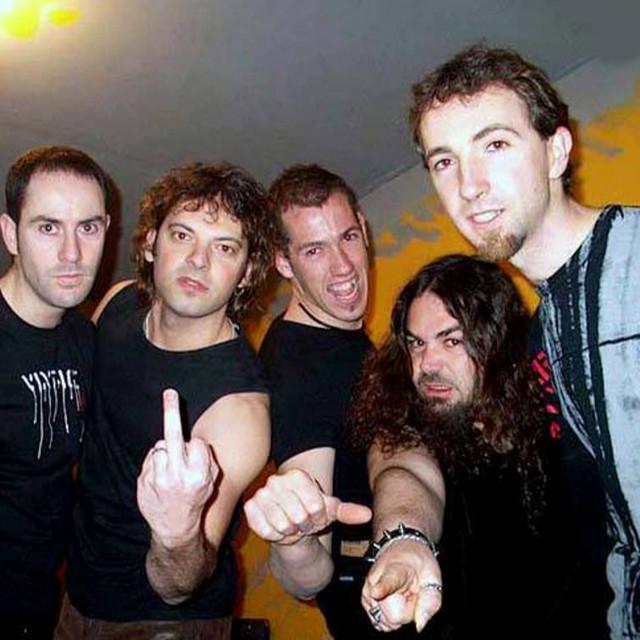
Estrago’s Spotify BioEstrago se formó en Pamplona en la primavera de 1998 con el nombre de Samsara. En febrero de 2004 debido a problemas de registro, tuvieron que cambiar el nombre y terminaron denominándose Estrago.
En mayo de 2004 editan con Pies Records editan su disco debut, que lleva por título “Cabeza loca”. El disco fue grabado en los estudios El Sótano en Artica (Navarra) por Iker Piedrafita. En este disco tuvieron la colaboración de la “jet” del rock navarro: Kutxi Romero (Marea), Alfredo Piedrafita y Enrique Villarreal “El Drogas” (Barricada), Aurora Beltrán (Tahúres Zurdos) e Iker Piedrafita (Dikers), así como del polifacético Ramoncín, y rápidamente se convierte en uno de los discos imprescindibles del Rock Estatal desde su lanzamiento hasta nuestros días.
En octubre de 2005 editan su segundo disco, que lleva por título “Hadas y Princesas”. Editado de nuevo por la discográfica PIES RECORDS, grabado en los estudios El Cielo en Madrid y producido por Manolo Arias, “Hadas y princesas” es el disco… más rockero del grupo, en este caso sin ninguna colaboración, un disco más intimista en algunas canciones y muy social en otras, notándose la madurez como grupo a la hora de componer y arreglar los temas, un disco con mucha fuerza.
Viberate is a music analytics platform built for A&Rs, artist managers, labels, booking agents, marketers, and artists.
It helps music professionals track artist growth, analyze audience data, monitor playlist activity, compare artists, follow song performance, and identify opportunities across the music market.
Public artist pages provide a free preview of selected artist data. Paid plans provide access to deeper analytics, historical data, charts, comparisons, playlist tools, exports, alerts, reports, and additional professional features.
Yes. Public Viberate artist pages provide selected artist analytics and music data for free.
Viberate also offers a 7-day free trial of the full platform. A credit card is required to start the trial. The trial includes access to the complete product so users can test deeper artist analytics, historical views, playlist insights, comparisons, charts, exports, alerts, and reporting features before choosing a paid plan.
Viberate provides artist analytics across streaming, playlists, social media, video, radio airplay, songs, and audience markets.
Users can analyze Spotify performance, Spotify and Apple Music playlists, YouTube activity, TikTok and Instagram growth, radio spins, song performance, audience locations, demographics, rankings, and overall artist momentum.
Artist profiles also connect to music charts, similar artists, and comparison tools, helping users benchmark performance and evaluate artists in context.
Viberate updates key artist and track data daily.
For followed artists and tracks, selected data is refreshed multiple times per day. This helps teams monitor playlist changes, streaming movement, audience growth, releases, and campaign performance with more current data.
Update frequency can vary depending on the metric and data source.
Yes. Viberate lets users compare up to five artists side by side across streaming, social media, audience, and engagement metrics.
Users can compare fanbase growth, audience demographics, locations, Spotify performance, social metrics, and other artist data over selected time periods.
Artist comparison can be used for A&R scouting, benchmarking, booking decisions, campaign planning, and evaluating artists with similar audiences or market positions.