Esben and the Witch

Rock
Alternative Rock
 Viberate Rank: 162343
 Viberate Rank: 162343
 Monthly ListenersFollowers
 Subscribers
 Followers
 Followers
 FansTop Spotify Songs
| Track | 7-Day Streams | |
|---|---|---|
1 | 1.45K | |
2 | 1.25K | |
3 | 705 | |
4 | 697 | |
5 | 522 |
Top YouTube VideosMonthly ListenersFeatured in Playlists| Playlist | Followers | |
|---|---|---|
1 | Gothic / Cold wave / Dark wave / New wave / Synth / Post punk / Witch house Anna St Ortiz | 30.10K |
2 | shoedream mmastodonn | 23.43K |
3 |  ☽ Witching Hour ☾ Emma Berg | 19.30K |
4 | Reddit Top Albums of 2011 OhKero | 15.77K |
5 |  Songs that are ACTUALLY like Ptolemaea T🖤 | 14.44K |
Audience| City | Monthly Listeners | |
|---|---|---|
1 | | 228 |
2 |  | 183 |
3 |  | 161 |
4 |  | 147 |
5 | | 137 |
See full performance history, audience data, playlist activity, rankings, comparisons, and more in Viberate music analytics. Start with a free trial, then continue with a paid plan.
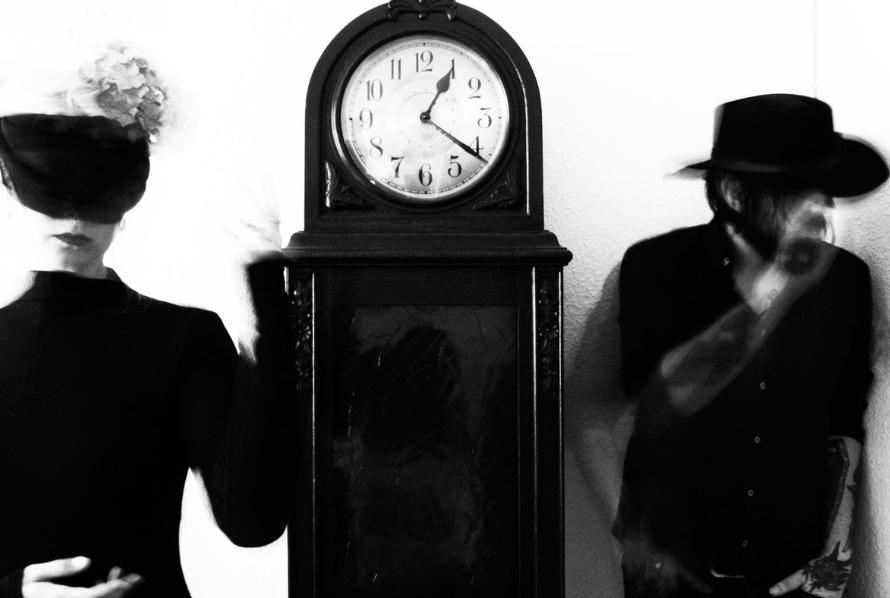
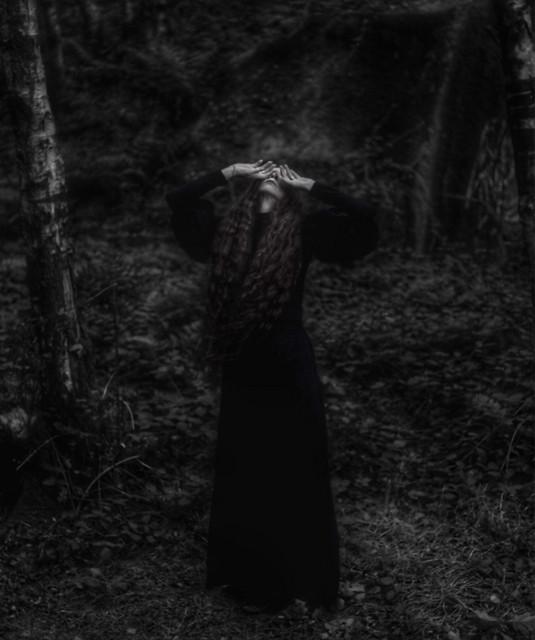
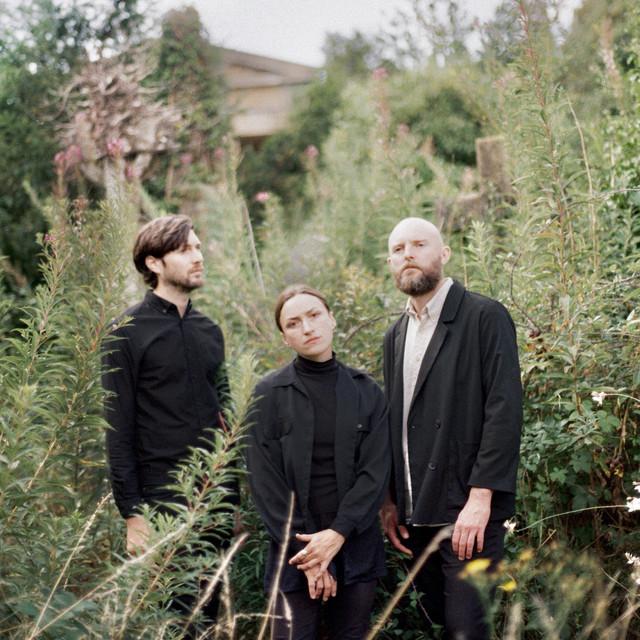
Esben and the Witch’s Spotify BioNamed after a Danish fairy tale, Esben and the Witch crafts haunting music that blends the delicate beauty of folk and shoegaze with the primal heaviness of metal. While the trio's 2011 debut album Violet Cries felt indebted to goth and post-rock, the band soon expanded its horizons and cranked up its amps, adding heft to 2014's Steve Albini-engineered A New Nature. While they concentrated on the heavier aspects of their music, Esben and the Witch expressed them with plenty of nuance: They balanced crushing riffs with Rachel Davies' lucid vocals on 2016's ambitious suite Older Terrors, added a jolt of punk rebellion on 2018's Nowhere, and balanced contemplation with catharsis on 2023's stripped-down Hold Sacred.
Esben and the Witch formed in 2008, when guitarist/keyboardist Thomas Fisher moved to Brighton and began making music with keyboardist/drummer Daniel Copeman. After deciding to make the music they were working on available to the public, the pair drafted Rachel Davies, a… longtime friend of Fisher's, to become their singer and bassist. The trio self-released its 2009 debut EP 33 and followed it with the single "Lucia, At the Precipice," which Too Pure released as a limited-edition 7" in 2010. That May, they contributed their song "Corridors," from 33, as the soundtrack to an installation by artist Karl Sadler as part of the London edition of the Creators Project. Later in 2010, Matador Records signed the group and released the Marching Song single that October; in December, the band appeared on the long list for the BBC's Sound of 2011. That January, their goth-tinged debut album, Violet Cries, arrived to critical acclaim and reached number 13 on the U.K. Indie Chart.
To write the songs for their second album, Esben and the Witch retreated to a cottage in East Sussex in 2012. Davies penned all of the lyrics, taking inspiration from the writing of Robert Frost and Vladimir Nabokov. The band recorded Wash the Sins Not Only the Face with co-producer Tom Morris and released the album in early 2013. That July, they appeared at the East End Film Festival to perform a live score for the film La Antena.
In 2014, Esben and the Witch left Matador to form their own label, Nostromo, and released a split EP with Thought Forms. The trio worked with engineer Steve Albini on September 2014's A New Nature, which captured the increasing heaviness of their sound and drew comparisons to Swans and PJ Harvey. A move to Berlin prompted further changes in the group's sound on Older Terrors, a set of four epic-length songs incorporating metal, prog, and post-rock released by Season of Mist in November 2016. Following 2017's concert album Live at Roadburn, Esben and the Witch returned in 2018 with Nowhere, which introduced punk-inspired riffs into the trio's sweeping sound. The band began work on their next album in mid-2019, writing songs in the Italian countryside that they honed over the next two years during stays in Portugal, France, and Germany. Recorded in four days, May 2023's Hold Sacred set meditative, personal songs about surviving hard times to raw yet atmospheric instrumentation that recalled A New Nature. That year, Esben and the Witch returned to live shows, with dates including the Netherlands' Roadburn Festival. ~ Heather Phares, Rovi
Viberate is a music analytics platform built for A&Rs, artist managers, labels, booking agents, marketers, and artists.
It helps music professionals track artist growth, analyze audience data, monitor playlist activity, compare artists, follow song performance, and identify opportunities across the music market.
Public artist pages provide a free preview of selected artist data. Paid plans provide access to deeper analytics, historical data, charts, comparisons, playlist tools, exports, alerts, reports, and additional professional features.
Yes. Public Viberate artist pages provide selected artist analytics and music data for free.
Viberate also offers a 7-day free trial of the full platform. A credit card is required to start the trial. The trial includes access to the complete product so users can test deeper artist analytics, historical views, playlist insights, comparisons, charts, exports, alerts, and reporting features before choosing a paid plan.
Viberate provides artist analytics across streaming, playlists, social media, video, radio airplay, songs, and audience markets.
Users can analyze Spotify performance, Spotify and Apple Music playlists, YouTube activity, TikTok and Instagram growth, radio spins, song performance, audience locations, demographics, rankings, and overall artist momentum.
Artist profiles also connect to music charts, similar artists, and comparison tools, helping users benchmark performance and evaluate artists in context.
Viberate updates key artist and track data daily.
For followed artists and tracks, selected data is refreshed multiple times per day. This helps teams monitor playlist changes, streaming movement, audience growth, releases, and campaign performance with more current data.
Update frequency can vary depending on the metric and data source.
Yes. Viberate lets users compare up to five artists side by side across streaming, social media, audience, and engagement metrics.
Users can compare fanbase growth, audience demographics, locations, Spotify performance, social metrics, and other artist data over selected time periods.
Artist comparison can be used for A&R scouting, benchmarking, booking decisions, campaign planning, and evaluating artists with similar audiences or market positions.