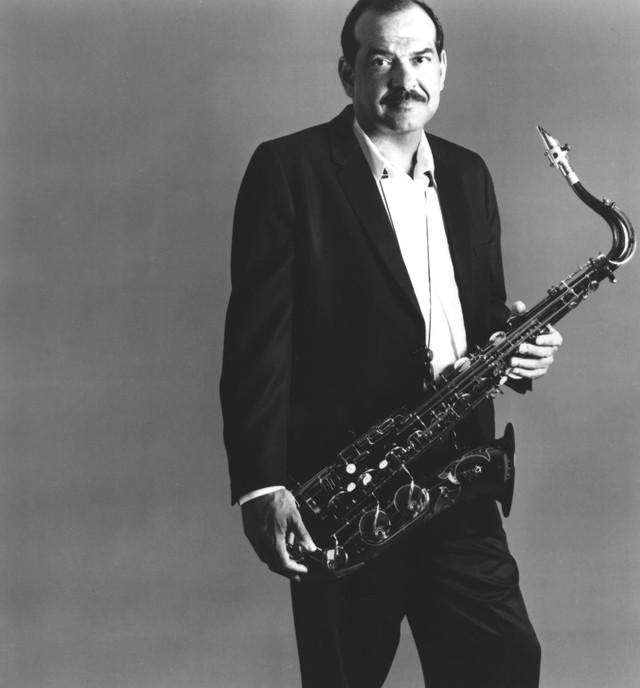
Ernie Watts

Jazz
Bebop
Smooth Jazz
 Viberate Rank: 280431
 Viberate Rank: 280431
 Monthly ListenersFollowers
 Subscribers
 Followers
 Followers
 FansTop Spotify Songs
| Track | 7-Day Streams | |
|---|---|---|
1 | 4.84K | |
2 | 371 | |
3 | 313 | |
4 | 310 | |
5 | 272 |
Top YouTube VideosMonthly ListenersFeatured in Playlists| Playlist | Followers | |
|---|---|---|
1 |  Saxophone Classics Spotify | 142.16K |
2 | Cowboy Bebop Katy Stringer | 41.54K |
3 |  Spring Jazz Spotify | 24.26K |
4 |  HIFI speaker test Jesse Kaufman | 17.63K |
5 |  High-Resolution Audio Sree | 16.39K |
Audience| City | Monthly Listeners | |
|---|---|---|
1 |  | 72 |
2 |  | 51 |
3 | | 46 |
4 |  | 46 |
5 | | 45 |
See full performance history, audience data, playlist activity, rankings, comparisons, and more in Viberate music analytics. Start with a free trial, then continue with a paid plan.
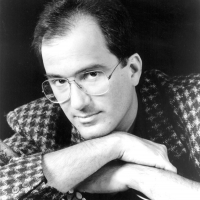
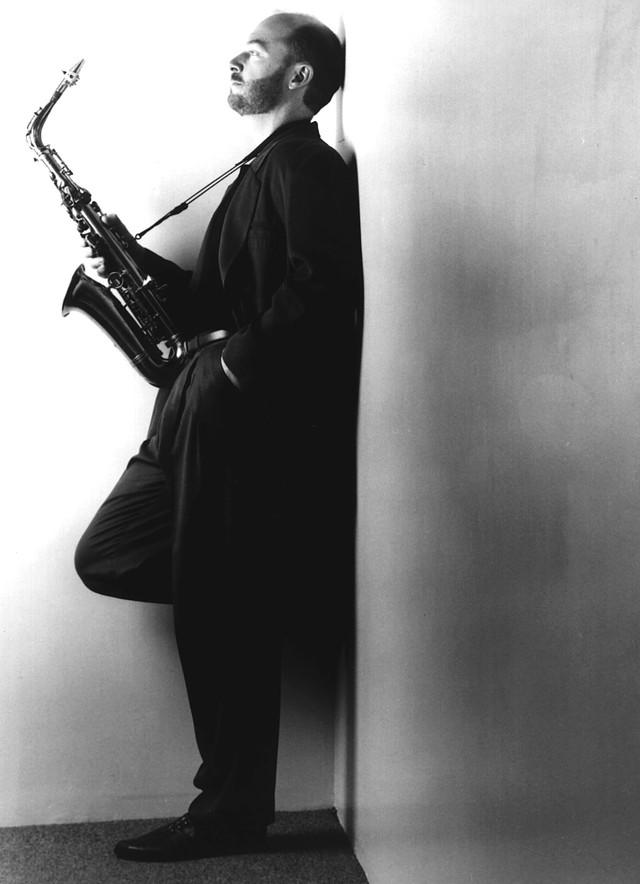
Ernie Watts’ Spotify BioBecause he was involved in many commercial recording projects from the mid-'70s through the early '80s and on an occasional basis ever since, some observers wrote Ernie Watts off prematurely as a pop/R&B tenorman. Actually, Watts' main hero has always been John Coltrane, and his later work reveals him to be an intense and masterful jazz improviser who has developed his own sheets-of-sound approach along with a distinctive and soulful sound. After attending Berklee, he had an important stint with Buddy Rich's big band (1966-1968) before moving to Los Angeles. Watts worked in the big bands of Oliver Nelson and Gerald Wilson, recorded with Jean-Luc Ponty in 1969, and became a staff musician for NBC, performing with the Tonight Show Band on a regular basis. His own records of the 1970s and early '80s were generally pop-ish (1982's Chariots of Fire was a big seller), and Watts played frequently with Lee Ritenour and Stanley Clarke, in addition to recording with Cannonball Adderley (one of… his idols) in 1972. However, Ernie Watts' work became much more interesting from a jazz standpoint starting in the mid-'80s when he joined Charlie Haden's Quartet West and started recording no-nonsense quartet dates for JVC. Ernie Watts has developed into one of the most powerful of tenormen with complete control over his horn and the ability to bring intensity and passion (plus taste) to any musical situation. ~ Scott Yanow, Rovi
Viberate is a music analytics platform built for A&Rs, artist managers, labels, booking agents, marketers, and artists.
It helps music professionals track artist growth, analyze audience data, monitor playlist activity, compare artists, follow song performance, and identify opportunities across the music market.
Public artist pages provide a free preview of selected artist data. Paid plans provide access to deeper analytics, historical data, charts, comparisons, playlist tools, exports, alerts, reports, and additional professional features.
Yes. Public Viberate artist pages provide selected artist analytics and music data for free.
Viberate also offers a 7-day free trial of the full platform. A credit card is required to start the trial. The trial includes access to the complete product so users can test deeper artist analytics, historical views, playlist insights, comparisons, charts, exports, alerts, and reporting features before choosing a paid plan.
Viberate provides artist analytics across streaming, playlists, social media, video, radio airplay, songs, and audience markets.
Users can analyze Spotify performance, Spotify and Apple Music playlists, YouTube activity, TikTok and Instagram growth, radio spins, song performance, audience locations, demographics, rankings, and overall artist momentum.
Artist profiles also connect to music charts, similar artists, and comparison tools, helping users benchmark performance and evaluate artists in context.
Viberate updates key artist and track data daily.
For followed artists and tracks, selected data is refreshed multiple times per day. This helps teams monitor playlist changes, streaming movement, audience growth, releases, and campaign performance with more current data.
Update frequency can vary depending on the metric and data source.
Yes. Viberate lets users compare up to five artists side by side across streaming, social media, audience, and engagement metrics.
Users can compare fanbase growth, audience demographics, locations, Spotify performance, social metrics, and other artist data over selected time periods.
Artist comparison can be used for A&R scouting, benchmarking, booking decisions, campaign planning, and evaluating artists with similar audiences or market positions.