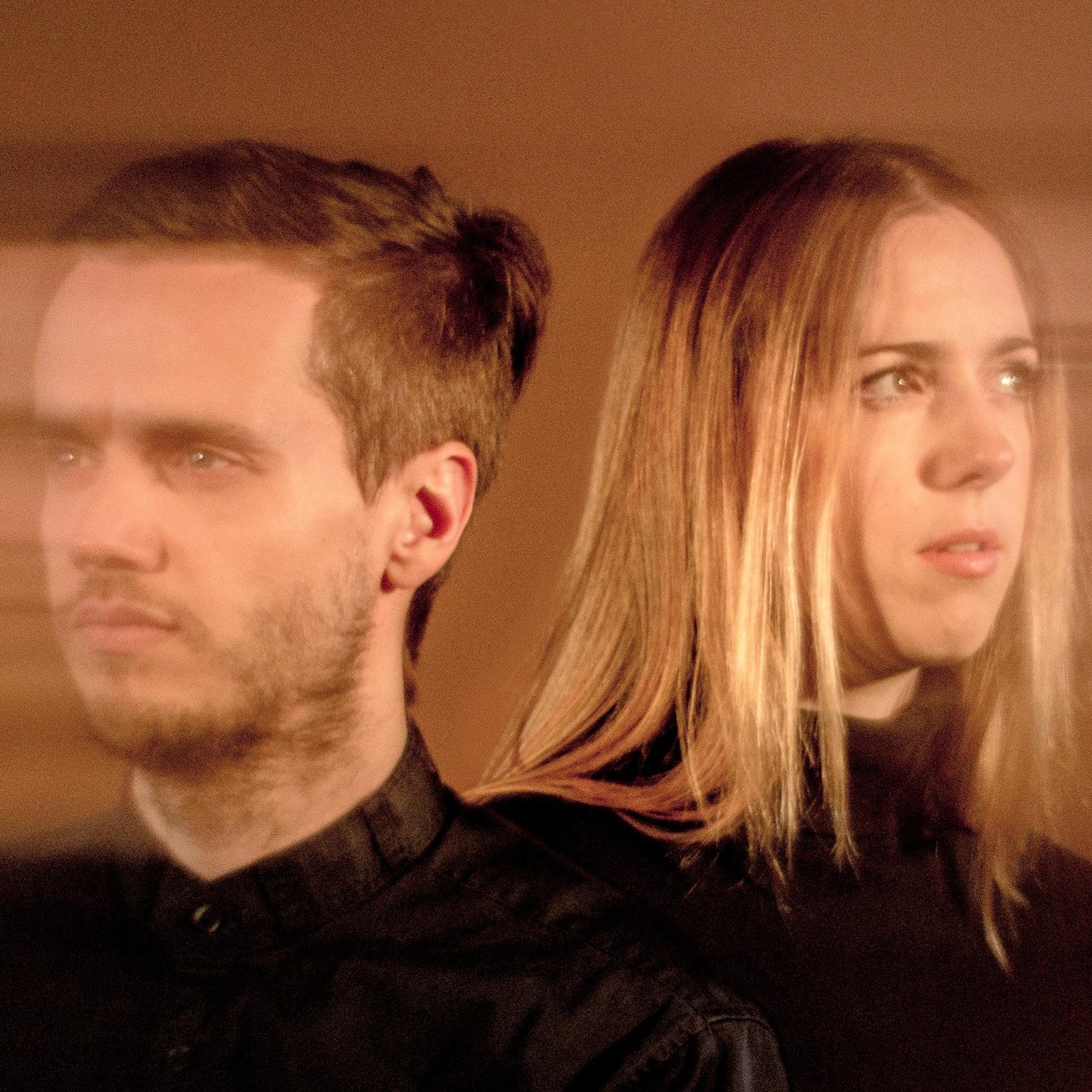
Erika Spring

Pop
Indie Pop
 Viberate Rank: 290884
 Viberate Rank: 290884
 Monthly ListenersFollowers
 Subscribers
 Followers
 Followers
 FansTop Spotify SongsTop YouTube VideosMonthly ListenersFeatured in Playlists
| Playlist | Followers | |
|---|---|---|
1 |  Vaporwave After Eating | 188.02K |
2 |  Vaporwave (Long) George Clanton | 17.35K |
3 |  Your Friends and Neighbors Apple TV Soundtrack Monroe | 14.45K |
4 |  Vaporwave 喜びの音 Torrie Jones | 10.06K |
5 |  KEXP's Song of the Day 2018 KEXP | 9.15K |
Audience| City | Monthly Listeners | |
|---|---|---|
1 |  | 25 |
2 | | 25 |
3 | | 24 |
4 |  | 19 |
5 | | 18 |
See full performance history, audience data, playlist activity, rankings, comparisons, and more in Viberate music analytics. Start with a free trial, then continue with a paid plan.
Erika Spring’s Spotify BioErika Spring is a Singer, Musician and Artist based in NYC. As one-third of synth pop trio Au Revoir Simone, she released four albums and toured extensively for a decade. In 2012, she debuted as a solo artist with a self-titled EP on Cascine, and in 2016, she joined with Jenny Lewis and Tennessee Thomas to form the indie supergroup Nice as Fuck, with whom she released an LP and performed on CBS’ The Late Show with Stephen Colbert. Her voice was featured on dance floor hit “Paris” Friendly Fires Aeroplane remix, on a variety of other recordings by artists such as Chromeo and Delorean and in The Octave of Visible Light: A Meditation Nightclub, an installation by artist Lia Chavez. Many of her songs have been featured in film and tv soundtracks and she is seen performing with Au Revoir Simone in two episodes of 2017's Twin Peaks: The Return.
Viberate is a music analytics platform built for A&Rs, artist managers, labels, booking agents, marketers, and artists.
It helps music professionals track artist growth, analyze audience data, monitor playlist activity, compare artists, follow song performance, and identify opportunities across the music market.
Public artist pages provide a free preview of selected artist data. Paid plans provide access to deeper analytics, historical data, charts, comparisons, playlist tools, exports, alerts, reports, and additional professional features.
Yes. Public Viberate artist pages provide selected artist analytics and music data for free.
Viberate also offers a 7-day free trial of the full platform. A credit card is required to start the trial. The trial includes access to the complete product so users can test deeper artist analytics, historical views, playlist insights, comparisons, charts, exports, alerts, and reporting features before choosing a paid plan.
Viberate provides artist analytics across streaming, playlists, social media, video, radio airplay, songs, and audience markets.
Users can analyze Spotify performance, Spotify and Apple Music playlists, YouTube activity, TikTok and Instagram growth, radio spins, song performance, audience locations, demographics, rankings, and overall artist momentum.
Artist profiles also connect to music charts, similar artists, and comparison tools, helping users benchmark performance and evaluate artists in context.
Viberate updates key artist and track data daily.
For followed artists and tracks, selected data is refreshed multiple times per day. This helps teams monitor playlist changes, streaming movement, audience growth, releases, and campaign performance with more current data.
Update frequency can vary depending on the metric and data source.
Yes. Viberate lets users compare up to five artists side by side across streaming, social media, audience, and engagement metrics.
Users can compare fanbase growth, audience demographics, locations, Spotify performance, social metrics, and other artist data over selected time periods.
Artist comparison can be used for A&R scouting, benchmarking, booking decisions, campaign planning, and evaluating artists with similar audiences or market positions.