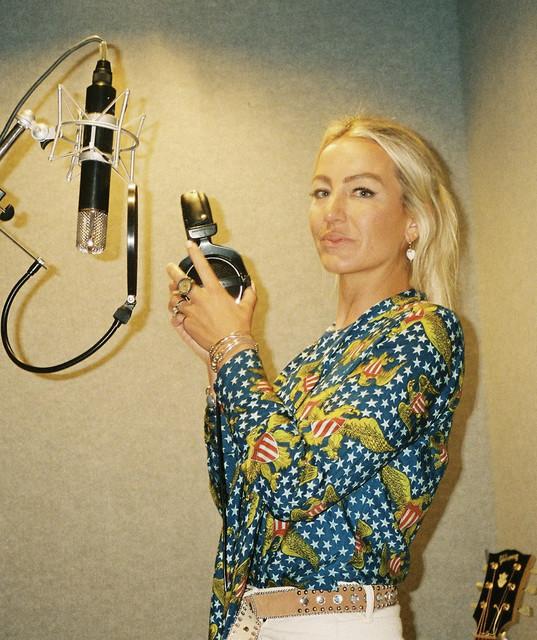
Erika Sherger

Country
Americana/Alt Country
Folk Rock
 Viberate Rank: 551550
 Viberate Rank: 551550
 Monthly ListenersFollowers
 Subscribers
 Followers
 Followers
 FansTop Spotify Songs
| Track | 7-Day Streams | |
|---|---|---|
1 | 9 | |
2 | 6 | |
3 | 6 | |
4 | 3 | |
5 | 3 |
Top YouTube VideosMonthly ListenersFeatured in Playlists| Playlist | Followers | |
|---|---|---|
1 |  Good vibes 🎸 Curatify. | 1.91K |
Audience| City | Monthly Listeners | |
|---|---|---|
1 | | 4 |
See full performance history, audience data, playlist activity, rankings, comparisons, and more in Viberate music analytics. Start with a free trial, then continue with a paid plan.
Erika Sherger’s Spotify BioErika Sherger is a Northern New Jersey-based singer-songwriter and guitarist whose music blends indie folk, Americana, and alt-country with raw storytelling and emotionally resonant vocals. Known for her authentic, soul-stirring performances, Erika writes songs that explore grief, healing, transformation, and human connection with unflinching honesty.
Raised on the music of the 70s, 80s, and 90s, she began playing guitar in college and turned to songwriting as a deeply personal outlet. Though she wrote privately for years, it wasn’t until 2018 that she stepped onto a stage at a local open mic. From that moment on, her musical journey accelerated. She now performs regularly throughout New Jersey at songwriter showcases, listening rooms, and community venues, both as a solo artist and alongside a rotating cast of collaborators.
Her vocal style and music has drawn comparisons to Natalie Merchant, Emmylou Harris, Stevie Nicks, and Gillian Welch, but her sound remains distinctly her own.… Influenced by the songwriting of artists like Peter Gabriel, Ryan Adams, and Jeff Tweedy, Erika’s lyrics are poetic and introspective, shaped by her experiences and a deep connection to people, nature, and memory.
Her upcoming album Wrap Me Up in Colored Feathers arrives in summer 2025. Produced by Damian Calcagne at PineBox Studio, the ten-song collection features contributions from notable musicians including Mike Robinson, Elliott Peck, and Adam Minkoff.
Viberate is a music analytics platform built for A&Rs, artist managers, labels, booking agents, marketers, and artists.
It helps music professionals track artist growth, analyze audience data, monitor playlist activity, compare artists, follow song performance, and identify opportunities across the music market.
Public artist pages provide a free preview of selected artist data. Paid plans provide access to deeper analytics, historical data, charts, comparisons, playlist tools, exports, alerts, reports, and additional professional features.
Yes. Public Viberate artist pages provide selected artist analytics and music data for free.
Viberate also offers a 7-day free trial of the full platform. A credit card is required to start the trial. The trial includes access to the complete product so users can test deeper artist analytics, historical views, playlist insights, comparisons, charts, exports, alerts, and reporting features before choosing a paid plan.
Viberate provides artist analytics across streaming, playlists, social media, video, radio airplay, songs, and audience markets.
Users can analyze Spotify performance, Spotify and Apple Music playlists, YouTube activity, TikTok and Instagram growth, radio spins, song performance, audience locations, demographics, rankings, and overall artist momentum.
Artist profiles also connect to music charts, similar artists, and comparison tools, helping users benchmark performance and evaluate artists in context.
Viberate updates key artist and track data daily.
For followed artists and tracks, selected data is refreshed multiple times per day. This helps teams monitor playlist changes, streaming movement, audience growth, releases, and campaign performance with more current data.
Update frequency can vary depending on the metric and data source.
Yes. Viberate lets users compare up to five artists side by side across streaming, social media, audience, and engagement metrics.
Users can compare fanbase growth, audience demographics, locations, Spotify performance, social metrics, and other artist data over selected time periods.
Artist comparison can be used for A&R scouting, benchmarking, booking decisions, campaign planning, and evaluating artists with similar audiences or market positions.