Erik Strauss


Electronic
Downtempo
Other Electronic Music
Nu Jazz
 Viberate Rank: 398196
 Viberate Rank: 398196
 Monthly ListenersFollowers
 Subscribers
 Followers
 Followers
 FansTop Spotify Songs
| Track | 7-Day Streams | |
|---|---|---|
1 | 75 | |
2 | 75 | |
3 | 18 | |
4 | 11 | |
5 | 9 |
Top YouTube Videos| Video | 7-Day Views | |
|---|---|---|
1 | 260 | |
2 | 175 | |
3 | 5 | |
4 | 5 | |
5 | 4 |
Monthly ListenersFeatured in Playlists| Playlist | Followers | |
|---|---|---|
1 |  Indie Music Worldwide - Multi-Genre Megamix indiemusicpromo | 55.10K |
2 |  Downtempo Chill SBS Chill | 16.48K |
3 |  **NO STRESS Mia | 11.31K |
4 |  ~Alternative Hip-Hop, Lo-Fi Rap, Chillhop, Psychedelic Rap & Beats~ Shroopy | 9.72K |
5 |  ~Experimental, Minimal, Ambient, & MORE~ Shroopy | 6.05K |
Audience| City | Monthly Listeners | |
|---|---|---|
1 |  | 13 |
2 |  | 11 |
3 | | 8 |
4 | | 7 |
5 |  | 6 |
See full performance history, audience data, playlist activity, rankings, comparisons, and more in Viberate music analytics. Start with a free trial, then continue with a paid plan.
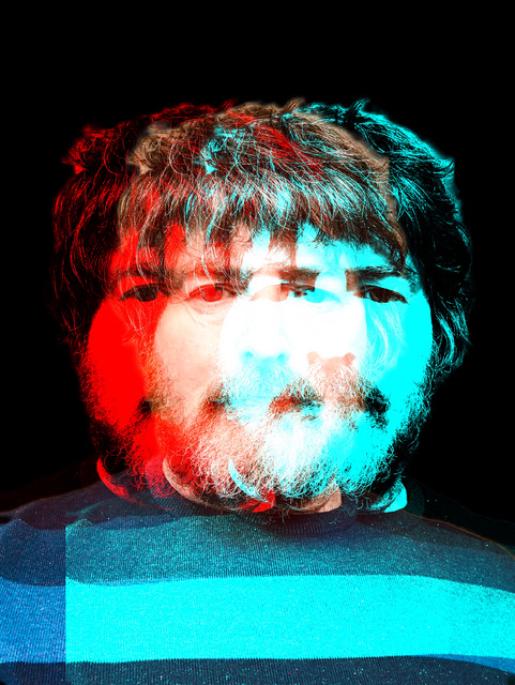
Erik Strauss’ Spotify BioErik Strauss is an Italian DJ and composer, born in Treviso in 1984.
His DJ aesthetic revisits the performance aesthetic of David Bowie, a deeply inspiring artist who symbolized constant renewal and experimentation.
Erik listens to the jazz of Miles Davis, John Coltrane, and Thelonious Monk, as well as the electronic music of Aphex Twin, Ricardo Villalobos, and Floating Points.
His first EPs, "Untitled" (2017), "All This Blue Is About Happiness" (2020), and "I Am Sure I Am Happy" (2021), as well as the album "Urbanature" (2020), delineate a trip-hop/downtempo period, drawing on the influence of artists such as Massive Attack, Portishead, and Tricky.
In 2021, with Shawn Lee's approval, he released an instrumental cover of "Kiss the Sky" under the original author's label, Ubiquity Records.
The album FTUR (2024) led him to further experiment, fusing his previous beats with sounds that oscillate between ambient and IDM, a genre he approached in an "embryonic" way on his first independent EP,… "White Paper" (2011).
But it is with "METAFISICA" (2025), a single that consolidates the search for new sounds, that he outlines a path inspired by philosophical concepts, by the expression of the ES, a term that includes the initials of his stage name.
Viberate is a music analytics platform built for A&Rs, artist managers, labels, booking agents, marketers, and artists.
It helps music professionals track artist growth, analyze audience data, monitor playlist activity, compare artists, follow song performance, and identify opportunities across the music market.
Public artist pages provide a free preview of selected artist data. Paid plans provide access to deeper analytics, historical data, charts, comparisons, playlist tools, exports, alerts, reports, and additional professional features.
Yes. Public Viberate artist pages provide selected artist analytics and music data for free.
Viberate also offers a 7-day free trial of the full platform. A credit card is required to start the trial. The trial includes access to the complete product so users can test deeper artist analytics, historical views, playlist insights, comparisons, charts, exports, alerts, and reporting features before choosing a paid plan.
Viberate provides artist analytics across streaming, playlists, social media, video, radio airplay, songs, and audience markets.
Users can analyze Spotify performance, Spotify and Apple Music playlists, YouTube activity, TikTok and Instagram growth, radio spins, song performance, audience locations, demographics, rankings, and overall artist momentum.
Artist profiles also connect to music charts, similar artists, and comparison tools, helping users benchmark performance and evaluate artists in context.
Viberate updates key artist and track data daily.
For followed artists and tracks, selected data is refreshed multiple times per day. This helps teams monitor playlist changes, streaming movement, audience growth, releases, and campaign performance with more current data.
Update frequency can vary depending on the metric and data source.
Yes. Viberate lets users compare up to five artists side by side across streaming, social media, audience, and engagement metrics.
Users can compare fanbase growth, audience demographics, locations, Spotify performance, social metrics, and other artist data over selected time periods.
Artist comparison can be used for A&R scouting, benchmarking, booking decisions, campaign planning, and evaluating artists with similar audiences or market positions.