Erik Jekabson

Jazz
Jazz Fusion
Soul
 Viberate Rank: 563714
 Viberate Rank: 563714
 Monthly ListenersFollowers
 Subscribers
 Followers
 Followers
 FansTop Spotify Songs
| Track | 7-Day Streams | |
|---|---|---|
1 | 30 | |
2 | 16 | |
3 | 15 | |
4 | 11 | |
5 | 11 |
Top YouTube VideosMonthly ListenersFeatured in Playlists| Playlist | Followers | |
|---|---|---|
1 | Die Wochen-Tonspur 2026 Andre Hebeisen | 1.60K |
2 | Modern Contemporary Jazz joselisastickies | 1.25K |
3 | FENDER RHODES//ELECTRIC PIANO JAZZ David Kenderian | 1.09K |
Audience| City | Monthly Listeners | |
|---|---|---|
1 | | 5 |
2 | | 3 |
3 | | 3 |
4 | | 3 |
See full performance history, audience data, playlist activity, rankings, comparisons, and more in Viberate music analytics. Start with a free trial, then continue with a paid plan.
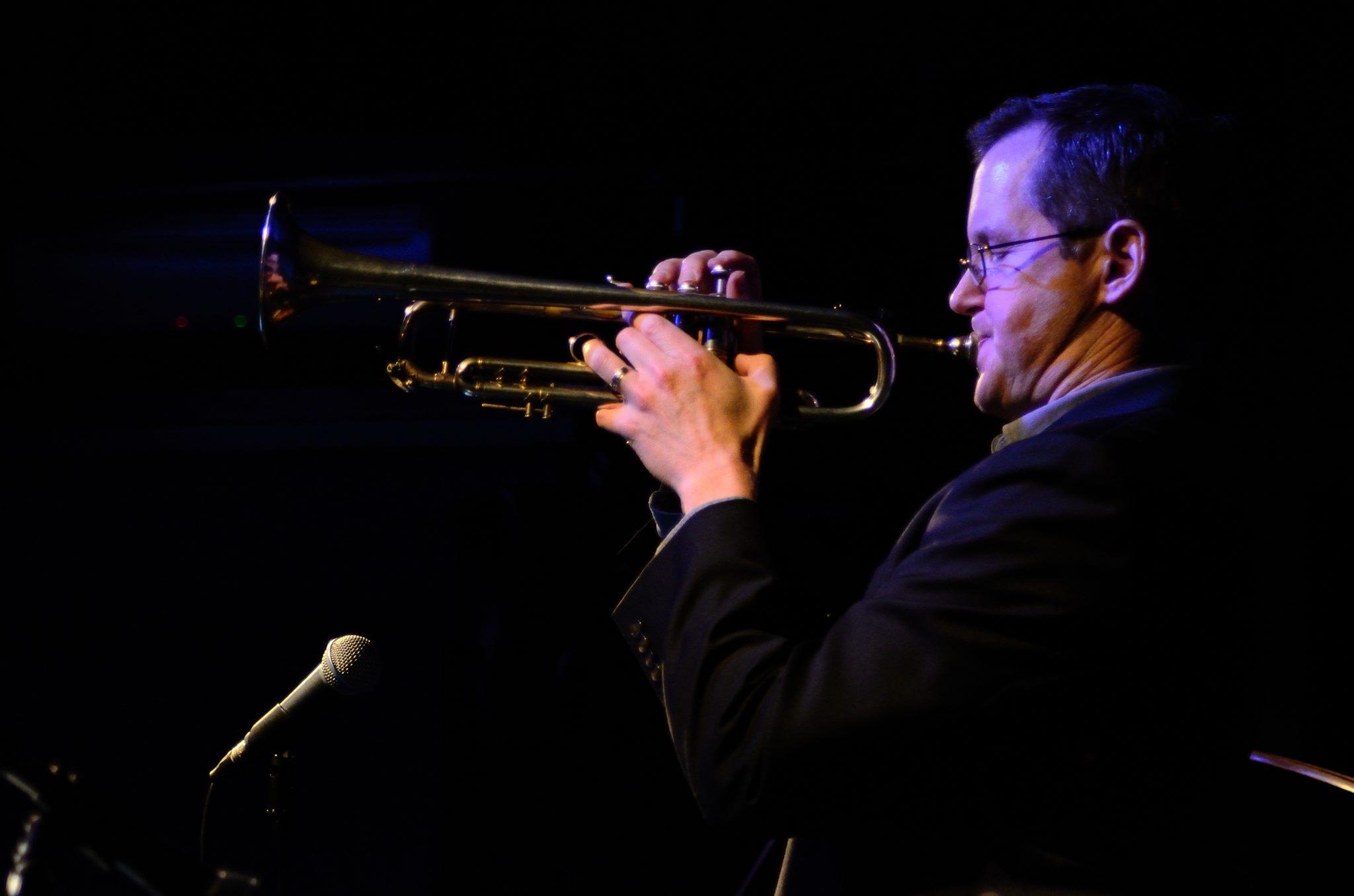
Erik Jekabson’s Spotify BioA thoughtfully cerebral performer known for his sophisticated jazz chops, trumpeter/composer Erik Jekabson first emerged as a freelancer in the Bay Area in the late '90s. Based in San Francisco, Jekabson balances his time between performing and teaching, holding positions at the California Jazz Conservatory, Los Medanos College, and Diablo Valley College. While post-bop jazz is his forte, albums like 2012's Anti-Mass, 2017's Erik Jekabson Sextet, and 2018's The Falling Dream, with his big band the Electric Squeezebox Orchestra, are anything but predictable, showcasing forays into Latin rhythms, funk, and chamber string music.
A native of Berkeley, California, Jekabson started playing music at an early age, eventually settling on the trumpet at age ten. By his teens, his playing had landed him a spot touring Japan with the Monterey Jazz Festival High School All-Star Big Band in 1991. After high school, he studied jazz at the prestigious Oberlin Conservatory of Music in Ohio, where he was… able to tour the United States promoting Oberlin's jazz program.
Graduating in 1994, Jekabson moved to New Orleans and found himself performing with such varied artists as trumpeter Kermit Ruffins, organist Eddy Louiss, and the jazz-funk group Galactic. A move to New York City in 1998 brought Jekabson work with an eclectic group of musicians including the Howard Fishman Quartet and the Illinois Jacquet Big Band, as well as gigs with his own post-bop-oriented ensemble, Vista. In 2003, Jekabson enrolled in the San Francisco Conservatory of Music's graduate program for composition. While active in the San Francisco music scene, he could also be found touring with singer/songwriter John Mayer.
In 2010, he released the album Crescent Boulevard. In 2012, he returned with Anti-Mass, featuring his arrangements for his small, string-based chamber jazz ensemble, the String-tet. The concert album Live at the Hillside Club, featuring Jekabson performing with his quartet and percussionist John Santos, appeared in 2014. Two years later, the trumpeter returned with the nuanced A Brand New Take. The sophisticated fusion- and post-bop-inflected Erik Jekabson Quintet appeared in 2017, while The Falling Dream, the second outing by his Electric Squeezebox Orchestra, followed a year later when the band was in an extended residency at the California Jazz Conservatory. Jekabson produced the album and wrote three of its ten tracks. The aptly titled Erik Jekabson Sextet arrived in 2018. A year later, he was back with his Electric Squeezebox Orchestra for Matter Is, which featured arrangements for big band and voices. The trumpeter's soulful fusion, Latin, and post-bop small group date, One Note at a Time, arrived in early 2020. ~ Matt Collar, Rovi
Viberate is a music analytics platform built for A&Rs, artist managers, labels, booking agents, marketers, and artists.
It helps music professionals track artist growth, analyze audience data, monitor playlist activity, compare artists, follow song performance, and identify opportunities across the music market.
Public artist pages provide a free preview of selected artist data. Paid plans provide access to deeper analytics, historical data, charts, comparisons, playlist tools, exports, alerts, reports, and additional professional features.
Yes. Public Viberate artist pages provide selected artist analytics and music data for free.
Viberate also offers a 7-day free trial of the full platform. A credit card is required to start the trial. The trial includes access to the complete product so users can test deeper artist analytics, historical views, playlist insights, comparisons, charts, exports, alerts, and reporting features before choosing a paid plan.
Viberate provides artist analytics across streaming, playlists, social media, video, radio airplay, songs, and audience markets.
Users can analyze Spotify performance, Spotify and Apple Music playlists, YouTube activity, TikTok and Instagram growth, radio spins, song performance, audience locations, demographics, rankings, and overall artist momentum.
Artist profiles also connect to music charts, similar artists, and comparison tools, helping users benchmark performance and evaluate artists in context.
Viberate updates key artist and track data daily.
For followed artists and tracks, selected data is refreshed multiple times per day. This helps teams monitor playlist changes, streaming movement, audience growth, releases, and campaign performance with more current data.
Update frequency can vary depending on the metric and data source.
Yes. Viberate lets users compare up to five artists side by side across streaming, social media, audience, and engagement metrics.
Users can compare fanbase growth, audience demographics, locations, Spotify performance, social metrics, and other artist data over selected time periods.
Artist comparison can be used for A&R scouting, benchmarking, booking decisions, campaign planning, and evaluating artists with similar audiences or market positions.