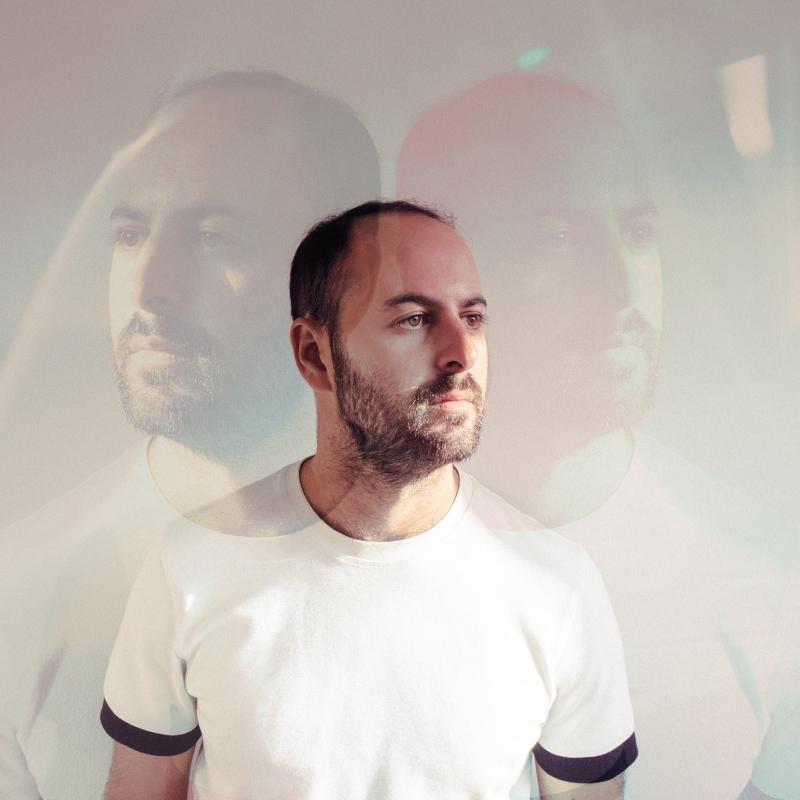
Eric Slick

Pop
Indie Pop
Indie Rock
 Viberate Rank: 187026
 Viberate Rank: 187026
 Monthly ListenersFollowers
 Subscribers
 Followers
 Followers
 FansTop Spotify Songs
| Track | 7-Day Streams | |
|---|---|---|
1 | 2.94K | |
2 | 466 | |
3 | 128 | |
4 | 66 | |
5 | 46 |
Top YouTube VideosMonthly ListenersFeatured in Playlists| Playlist | Followers | |
|---|---|---|
1 |  Mood : Love Tobias Ahlers | 94.14K |
2 |  Pop Chillout Atlas | 44.77K |
3 |  Happy Indie Delli_travels | 44.57K |
4 |  Indie Flow Gobi Desert Collective | 42.69K |
5 |  Indie Family | 2026 Selections Finch Bergling | 30.68K |
Audience| City | Monthly Listeners | |
|---|---|---|
1 |  | 233 |
2 | | 106 |
3 | | 93 |
4 | | 69 |
5 | | 60 |
See full performance history, audience data, playlist activity, rankings, comparisons, and more in Viberate music analytics. Start with a free trial, then continue with a paid plan.
Eric Slick’s Spotify BioEric Slick has always operated on good vibes. Where much of his adventurous solo music has matched the sunny disposition that’s made him the glue both onstage and backstage, his latest LP New Age Rage is a more acerbic and fully-formed portrait of the Nashville-based artist. Across 10 tracks, he channels his anxieties of a dystopian tech-driven future, an often tumultuous life on the road, and being understood into thrilling and provocative synth-pop.
“With this album, I wanted to rattle a few cages and make something visceral that would provoke people a little bit” says Slick. “I didn’t want to put something out and have the reaction be, ‘This sounds nice.’” Compared to his breezy, ‘70s-rock-inspired 2020 LP Wiseacre, which detailed newfound domestic bliss, New Age Rage is abrasive and hard-hitting. There are glitched-out arrangements full of mesmerizing synths, unorthodox percussion, and bursts of robotic noise.
New Age Rage isn’t just about this bleak, anger-filled, and disconnected… moment in human history. It’s also about Slick channeling these harsh, uncomfortable feelings into something productive. Even when things feel impossible, there’s power and humanity in grappling with it. “I didn't think I would ever make a record like New Age Rage,” says Slick. “This is the record I've always wanted to make. It’s helping me advocate for myself in ways I never thought was possible not just in the musical aspects, but on a day-to-day basis too.”
Viberate is a music analytics platform built for A&Rs, artist managers, labels, booking agents, marketers, and artists.
It helps music professionals track artist growth, analyze audience data, monitor playlist activity, compare artists, follow song performance, and identify opportunities across the music market.
Public artist pages provide a free preview of selected artist data. Paid plans provide access to deeper analytics, historical data, charts, comparisons, playlist tools, exports, alerts, reports, and additional professional features.
Yes. Public Viberate artist pages provide selected artist analytics and music data for free.
Viberate also offers a 7-day free trial of the full platform. A credit card is required to start the trial. The trial includes access to the complete product so users can test deeper artist analytics, historical views, playlist insights, comparisons, charts, exports, alerts, and reporting features before choosing a paid plan.
Viberate provides artist analytics across streaming, playlists, social media, video, radio airplay, songs, and audience markets.
Users can analyze Spotify performance, Spotify and Apple Music playlists, YouTube activity, TikTok and Instagram growth, radio spins, song performance, audience locations, demographics, rankings, and overall artist momentum.
Artist profiles also connect to music charts, similar artists, and comparison tools, helping users benchmark performance and evaluate artists in context.
Viberate updates key artist and track data daily.
For followed artists and tracks, selected data is refreshed multiple times per day. This helps teams monitor playlist changes, streaming movement, audience growth, releases, and campaign performance with more current data.
Update frequency can vary depending on the metric and data source.
Yes. Viberate lets users compare up to five artists side by side across streaming, social media, audience, and engagement metrics.
Users can compare fanbase growth, audience demographics, locations, Spotify performance, social metrics, and other artist data over selected time periods.
Artist comparison can be used for A&R scouting, benchmarking, booking decisions, campaign planning, and evaluating artists with similar audiences or market positions.