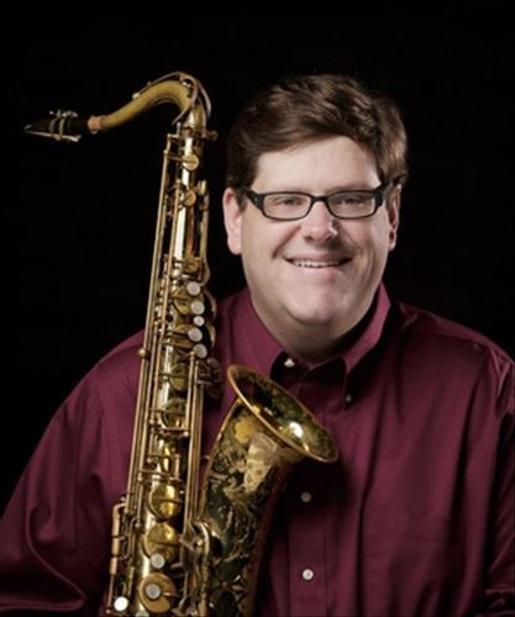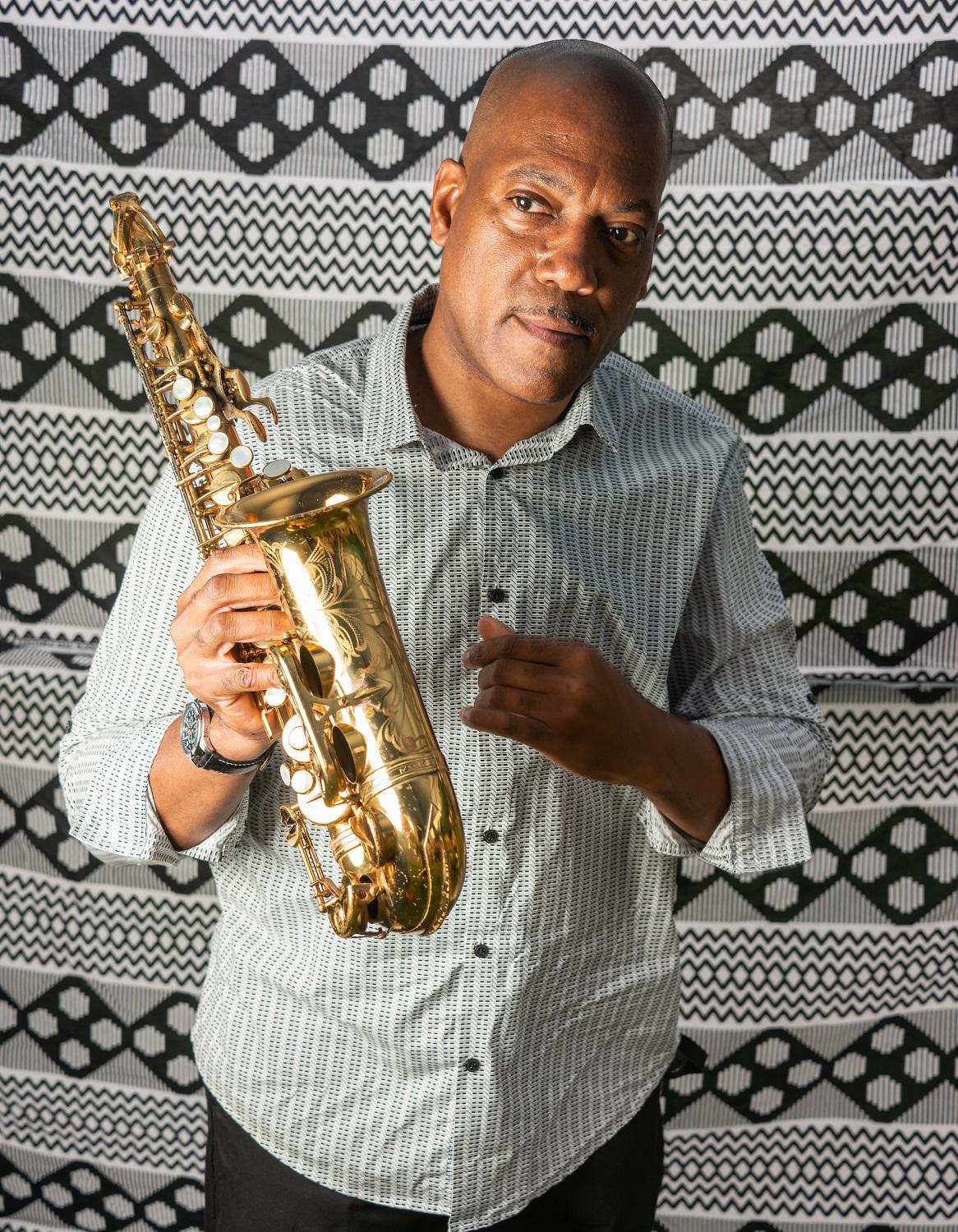
Eric Person

Jazz
Jazz Fusion
Free Jazz
 Viberate Rank: 492684
 Viberate Rank: 492684
 Monthly ListenersFollowers
 Subscribers
 Followers
 Followers
 FansTop Spotify Songs
| Track | 7-Day Streams | |
|---|---|---|
1 | 2 | |
2 | 1 |
Top YouTube VideosMonthly ListenersFeatured in Playlists| Playlist | Followers | |
|---|---|---|
1 | FENDER RHODES//ELECTRIC PIANO JAZZ David Kenderian | 1.09K |
Audience| City | Monthly Listeners | |
|---|---|---|
1 |  | 18 |
2 | | 3 |
3 | | 3 |
4 | | 3 |
See full performance history, audience data, playlist activity, rankings, comparisons, and more in Viberate music analytics. Start with a free trial, then continue with a paid plan.
Eric Person’s Spotify BioSaxophonist Eric Person was born in St. Louis, MO, the son of local musician and businessman Thomas Person. A child prodigy, he began playing saxophone at age seven and had gained his first orchestral experience by the time he was in the fifth grade. While at Normandy Junior and Senior high schools, he continued his musical studies and eventually got his first opportunities to play jazz. As a member of the Norsemen, the top jazz band at Normandy High, Person gained popularity and was active in almost every facet of music life at the school. Concert and symphonic orchestras, the marching bands and classical solo work kept Person motivated to attend school. Those years at Normandy were also successful in developing his love of many types of musical expression. When not playing in school ensembles, he played in funk bands and was a member of the James Matthews Quartet. They worked many of the hot jazz clubs of the day around St. Louis such as the Barbary Coast and The Place of Pleasure.… For a teenager, to be able to cut his teeth on serious jazz, and the experience was invaluable. "We were playing all the hippest songs in the jazz canon such as "Isotope," "Inner Urge," "Passion Dance," "Red Clay," and songs by John Coltrane, Horace Silver, and Miles Davis. It was a blast," says Person.
It was during this phase of his musical education that Person developed his love of composition. He was first encouraged to compose by the legendary St. Louis saxophonist/composer, Jimmy Sharrod. In 1993, Person wrote "Sharrod" as a tribute to him. It was later included on the World Saxophone Quartet's Moving Right Along. Several more of Person's compositions, including "Great Expectations" with its challenging 5/4 time section and "Mr. More or Less," which teeters between 4/4 and 3/4 time signatures, also came from this early writing period. They were both recorded on Arrival and More Tales to Tell, two of Person's critically acclaimed recordings.
In 1979 while at Normandy High, Person enrolled and studied at the St. Louis Conservatory of Music. In 1982, he moved to New York City to continue his career as a jazz musician. There he met such jazz greats as Woody Shaw, Art Blakey, Gary Bartz, and Jackie McLean, among others. His big break came in 1983 during his association with the John Hicks Big Band when he received the call from the legendary drummer Chico Hamilton. That fruitful collaboration lasted through five recordings and many national and international tours. "In music, Chico is open to it all and that's inspiring."
In 1984, Person joined Ronald Shannon Jackson's Decoding Society. Shannon's angular melodies, cosmic sonorities, and ferocious energy influenced the development of so many areas of Person's playing and later gave him his first opportunities to record and travel. "I did my first tours of the USA and Europe with Shannon and from the first moment to the last I was challenged."
In 1987, Person joined Kelvyn Bell's band called Kelvynator. The band had a funky, exotic, driving beat that was intoxicating to listeners and resulted in their CD release Refunkanation. In that same year, Person formed one of the first saxophone/tabla duos with Bob Coke called Sources. Coke played tabla, Indian sarod, acoustic guitar, and assorted percussion instruments. The focus of the band was new directions and sounds, a new energy for the age. They toured France and the Northeastern part of the United States and received rave reviews for their innovations. From 1987 to 1993, Person toured internationally with Sources, Kelvynator, Shannon Jackson. and Chico Hamilton.
When bassist Dave Holland asked Person to join his band in the fall of 1993, this was by far his most challenging musical experience. Holland's use of odd meters, free time, and modality was just the ticket Person was looking for. They released Dream of the Elders, which highlighted a sound that was light, energetic, and ethereal. Person's association with Holland opened the doors to an even more fruitful period that continued throughout Person's with the World Saxophone Quartet. For the next four years, he worked Holland, WSQ, Chico Hamilton, and also debuted his first CDs for Soul Note Records: Arrival, Prophecy, and More Tales to Tell. "I was writing like crazy in this period and I love it when my pen is hot!"
These first recordings as a leader received great critical acclaim. Person placed in the Top Ten of Downbeat Magazine's Readers Poll for four years in a row from 1992 through 1995 for soprano sax. All the while, he was constantly pushing the musical envelope to include more songwriting, arranging, and producing, in addition to developing his own sound. Toward that end, he began assembling various musical combos -- looking for just the right sound that would become the sound of Meta-Four. Early incarnations of the band featuring bassist Carlos Henderson, pianists Michael Cain and Darryl Grant, drummers E.J. Strickland, Mark Johnson, and Gene Jackson ,and guitarist Cary DeNigris have given way to the current lineup that consists of pianist John Esposito, bassist Kenny Davis, and drummer Pete O'Brian.
Person's s fourth CD as the leader of Meta-Four, Extra Pressure was released in the fall of 1999 to critical acclaim which firmly planted Person's skills as a leader on the national and international jazz scenes. 2003 featured a new release titled Live at Big Sur, his fifth CD as the leader of Meta-Four. For the past 20 years, Person has made New York his home base and has been active performing and recording with a wide circle of musicians including Ofra Haza, the Allman Brothers, Vernon Reid & Living Colour, Woody Shaw, Onaje Allen Gumbs, and the New York City Symphony, among others. ~ Paula Edelstein, Rovi
Viberate is a music analytics platform built for A&Rs, artist managers, labels, booking agents, marketers, and artists.
It helps music professionals track artist growth, analyze audience data, monitor playlist activity, compare artists, follow song performance, and identify opportunities across the music market.
Public artist pages provide a free preview of selected artist data. Paid plans provide access to deeper analytics, historical data, charts, comparisons, playlist tools, exports, alerts, reports, and additional professional features.
Yes. Public Viberate artist pages provide selected artist analytics and music data for free.
Viberate also offers a 7-day free trial of the full platform. A credit card is required to start the trial. The trial includes access to the complete product so users can test deeper artist analytics, historical views, playlist insights, comparisons, charts, exports, alerts, and reporting features before choosing a paid plan.
Viberate provides artist analytics across streaming, playlists, social media, video, radio airplay, songs, and audience markets.
Users can analyze Spotify performance, Spotify and Apple Music playlists, YouTube activity, TikTok and Instagram growth, radio spins, song performance, audience locations, demographics, rankings, and overall artist momentum.
Artist profiles also connect to music charts, similar artists, and comparison tools, helping users benchmark performance and evaluate artists in context.
Viberate updates key artist and track data daily.
For followed artists and tracks, selected data is refreshed multiple times per day. This helps teams monitor playlist changes, streaming movement, audience growth, releases, and campaign performance with more current data.
Update frequency can vary depending on the metric and data source.
Yes. Viberate lets users compare up to five artists side by side across streaming, social media, audience, and engagement metrics.
Users can compare fanbase growth, audience demographics, locations, Spotify performance, social metrics, and other artist data over selected time periods.
Artist comparison can be used for A&R scouting, benchmarking, booking decisions, campaign planning, and evaluating artists with similar audiences or market positions.