Eric Matthews

Pop
Indie Pop
 Viberate Rank: 236403
 Viberate Rank: 236403
 Monthly ListenersFollowers
 Subscribers
 Followers
 Followers
 FansTop Spotify Songs
| Track | 7-Day Streams | |
|---|---|---|
1 | 260 | |
2 | 49 | |
3 | 45 | |
4 | 43 | |
5 | 28 |
Top YouTube VideosMonthly ListenersFeatured in Playlists| Playlist | Followers | |
|---|---|---|
1 |  The Sound of Chamber Pop The Sounds of Spotify | 8.92K |
2 | 120 Minutes full Archive frankspin | 7.87K |
3 |  Radio Soulwax/2manydjs jaywalkerhb | 6.46K |
4 |  Off Your Face anton newcombe | 5.86K |
5 |  A Song for Guy (BBC 6 Music) BBC Music Playlists | 5.56K |
Audience| City | Monthly Listeners | |
|---|---|---|
1 |  | 45 |
2 | | 26 |
3 | | 22 |
4 | | 21 |
5 |  | 20 |
See full performance history, audience data, playlist activity, rankings, comparisons, and more in Viberate music analytics. Start with a free trial, then continue with a paid plan.
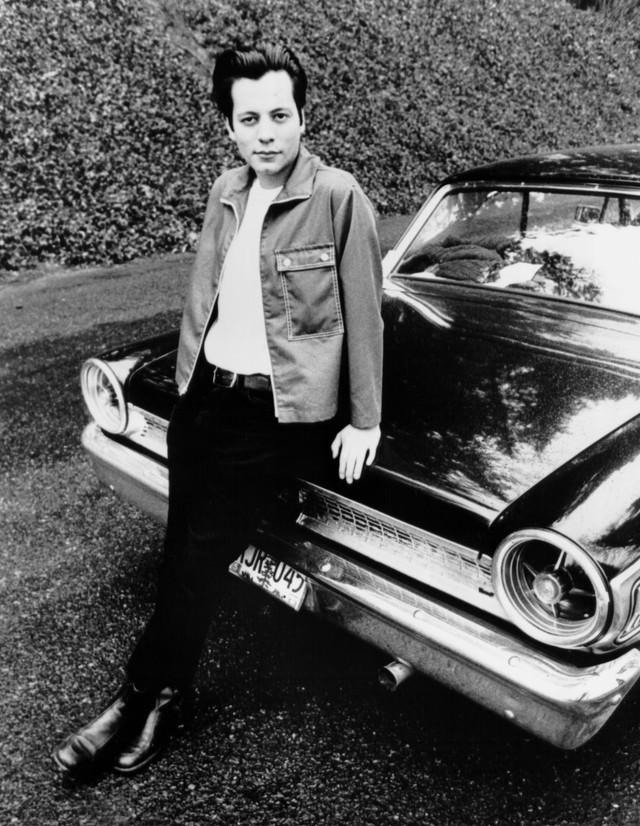
Eric Matthews’ Spotify BioThe work of Eric Matthews was a direct reaction to the lo-fi recording practices so prevalent throughout the alternative music scene of the 1990s; while many of the decade's artists trafficked in a defiantly ragged, do-it-yourself aesthetic, Matthews' records grew out of orchestral theories and practices, and revelled in the stately elegance of warm harmonies and lush arrangements. A native of Gresham, OR, Matthews was born in 1969 and fell in love with the symphonic pop of the Beach Boys, Burt Bacharach, and the Bee Gees at an early age; John Williams' score for Star Wars steered him into orchestral music, and he picked up his first instrument, the trumpet, while in elementary school.
After attending a San Francisco conservatory to hone his craft, he moved to the Boston area to further pursue his songwriting and performing. There he met Sebadoh's Lou Barlow and Bob Fay, and under the name Belt Buckle, they teamed for a four-song EP in 1993. Through Fay, Matthews also struck up a… friendship with Richard Davies, an Australian-born singer/songwriter best known for fronting the cult band the Moles. Together they formed the duo Cardinal, a forum for Davies' wry songwriting and Matthews' arranging skills and instrumental talents (which now included a mastery of piano, organ, harpsichord, and marimba), and released a stunning self-titled debut in 1994. Internal difficulties resulted in Cardinal's brief lifespan, however, and Matthews soon resurfaced as a solo artist. In 1995, he issued his debut, It's Heavy in Here, an ornate, complex collection highlighting his emerging vocal and composing skills. The excellent Lateness of the Hour followed in 1997. It was his final album for some time, however. He finally returned in 2005 with a mini-LP titled Six Kinds of Passion Looking for an Exit and a full-length, Foundation Sounds, late the following year. The Imagination Stage followed in early 2008. ~ Jason Ankeny, Rovi
Viberate is a music analytics platform built for A&Rs, artist managers, labels, booking agents, marketers, and artists.
It helps music professionals track artist growth, analyze audience data, monitor playlist activity, compare artists, follow song performance, and identify opportunities across the music market.
Public artist pages provide a free preview of selected artist data. Paid plans provide access to deeper analytics, historical data, charts, comparisons, playlist tools, exports, alerts, reports, and additional professional features.
Yes. Public Viberate artist pages provide selected artist analytics and music data for free.
Viberate also offers a 7-day free trial of the full platform. A credit card is required to start the trial. The trial includes access to the complete product so users can test deeper artist analytics, historical views, playlist insights, comparisons, charts, exports, alerts, and reporting features before choosing a paid plan.
Viberate provides artist analytics across streaming, playlists, social media, video, radio airplay, songs, and audience markets.
Users can analyze Spotify performance, Spotify and Apple Music playlists, YouTube activity, TikTok and Instagram growth, radio spins, song performance, audience locations, demographics, rankings, and overall artist momentum.
Artist profiles also connect to music charts, similar artists, and comparison tools, helping users benchmark performance and evaluate artists in context.
Viberate updates key artist and track data daily.
For followed artists and tracks, selected data is refreshed multiple times per day. This helps teams monitor playlist changes, streaming movement, audience growth, releases, and campaign performance with more current data.
Update frequency can vary depending on the metric and data source.
Yes. Viberate lets users compare up to five artists side by side across streaming, social media, audience, and engagement metrics.
Users can compare fanbase growth, audience demographics, locations, Spotify performance, social metrics, and other artist data over selected time periods.
Artist comparison can be used for A&R scouting, benchmarking, booking decisions, campaign planning, and evaluating artists with similar audiences or market positions.