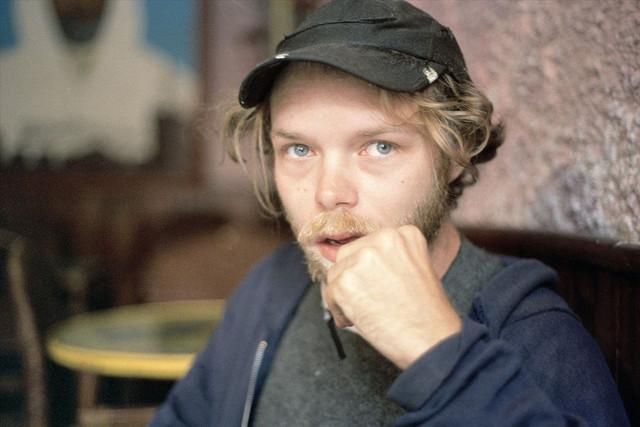
Eric Copeland

Electronic
Dance
Space Rock
Other Electronic Music
 Viberate Rank: 318963
 Viberate Rank: 318963
 Monthly ListenersFollowers
 Subscribers
 Followers
 Followers
 FansTop Spotify Songs
| Track | 7-Day Streams | |
|---|---|---|
1 | 454 | |
2 | 271 | |
3 | 160 | |
4 | 143 | |
5 | 90 |
Top YouTube VideosMonthly ListenersFeatured in Playlists| Playlist | Followers | |
|---|---|---|
1 | Shameless US Soundtrack (S1-S10) Katia Muscariello | 19.83K |
2 |  NTS Radio Collection Jesse de Wit | 14.55K |
3 | space rock & psychedelia Edson Alejandro Adame | 8.05K |
4 |  ALL DJ KICKS R. Aguilera | 7.27K |
5 |  DJ-Kicks !K7 Records | 6.67K |
Audience| City | Monthly Listeners | |
|---|---|---|
1 |  | 92 |
2 | | 76 |
3 | | 71 |
4 |  | 60 |
5 | | 57 |
See full performance history, audience data, playlist activity, rankings, comparisons, and more in Viberate music analytics. Start with a free trial, then continue with a paid plan.
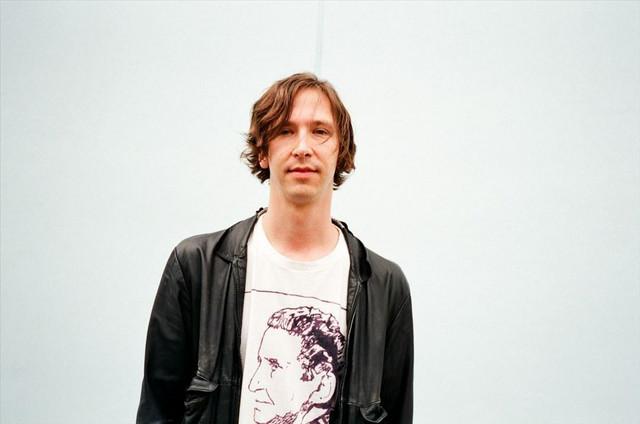
Eric Copeland’s Spotify BioBetween his work with Black Dice and his extensive solo catalog and side projects, Eric Copeland has created everything from noisy hardcore to playful lo-fi dance music. Starting out as a member of Black Dice during the late '90s when they were a thrash-influenced noise-core band, he remained with them as they progressed into sprawling psychedelia, as on 2002's Beaches and Canyons, and to more rhythmic efforts, like 2005's Broken Ear Record. After collaborating with Animal Collective's Dave Portner as Terrestrial Tones, Copeland went solo (while still remaining active with Black Dice) with the release of 2007's free-form Hermaphrodite. Subsequent albums explored warped visions both of dance music and pop songwriting, with 2020's Dumb It Down folding breezy vocals in among Copeland's signature cartoonish loops and electronic scramble.
Eric Copeland was still in high school when he joined Black Dice, a band founded by his brother and some other students at the Rhode Island School of… Design in 1997. Contributing vocals and electronics to the band in its earliest incarnation, Copeland was with Black Dice almost from their very beginning, rolling with them through various drastic stylistic changes as the years went on. While still involved with Black Dice as a main gig, Copeland started the side project Terrestrial Tones in 2004 with then-roommate Dave Portner of Animal Collective. Both members of the duo's respective bands were on temporary hiatus and they had a chance to collaborate and record. In 2007 Copeland released his first solo album, Hermaphrodite, on the Paw Tracks label. The mostly instrumental effort fell somewhere between the electronic experiments of Black Dice and the woozier Terrestrial Tones material, and it marked the beginning of a prolific recording schedule for Copeland.
Various 7" singles, CD-Rs, and one-off releases came regularly between proper albums, often on various independent labels. Alien in a Garbage Dump was released by Paw Tracks in 2009, followed by Strange Days (Post Present Medium) the next year. Issued by Escho in 2011, Waco Taco Combo saw Copeland's work shift into a more rhythmic dimension, employing fractured samples to add relatively straightforward beats to his always wobbly compositions. This trend followed on 2012's Limbo (Underwater Peoples) and crystallized on 2013's Joke in the Hole (DFA) with his least cloudy solo material up to that point. Further singles and EPs followed on DFA, while two mini-albums (2014's Logo My Ego and 2015's Jesus Freak) appeared on Ron Morelli's L.I.E.S. (Long Island Electrical Systems) imprint.
In 2016, DFA released Copeland's mutated pop album Black Bubblegum. Two experimental techno albums followed: Brooklyn Banks (Palmetto Arts) and the double-LP Courtesy, Professionalism, Respect (L.I.E.S.). In 2017, DFA released Black Bubblegum Remixed as well as the full-length Goofballs, another exploration of playful, abstract club music. The spontaneously recorded Trogg Modal, Vol. 1 appeared in October of 2018, with Vol. 2 arriving in early 2019. Copeland switched gears for 2020 album Dumb It Down, embracing pop structures, highlighting guitar, and singing melodically on almost every song while keeping his distinctive fried electronics at the core of the arrangements. ~ Fred Thomas & Paul Simpson, Rovi
Viberate is a music analytics platform built for A&Rs, artist managers, labels, booking agents, marketers, and artists.
It helps music professionals track artist growth, analyze audience data, monitor playlist activity, compare artists, follow song performance, and identify opportunities across the music market.
Public artist pages provide a free preview of selected artist data. Paid plans provide access to deeper analytics, historical data, charts, comparisons, playlist tools, exports, alerts, reports, and additional professional features.
Yes. Public Viberate artist pages provide selected artist analytics and music data for free.
Viberate also offers a 7-day free trial of the full platform. A credit card is required to start the trial. The trial includes access to the complete product so users can test deeper artist analytics, historical views, playlist insights, comparisons, charts, exports, alerts, and reporting features before choosing a paid plan.
Viberate provides artist analytics across streaming, playlists, social media, video, radio airplay, songs, and audience markets.
Users can analyze Spotify performance, Spotify and Apple Music playlists, YouTube activity, TikTok and Instagram growth, radio spins, song performance, audience locations, demographics, rankings, and overall artist momentum.
Artist profiles also connect to music charts, similar artists, and comparison tools, helping users benchmark performance and evaluate artists in context.
Viberate updates key artist and track data daily.
For followed artists and tracks, selected data is refreshed multiple times per day. This helps teams monitor playlist changes, streaming movement, audience growth, releases, and campaign performance with more current data.
Update frequency can vary depending on the metric and data source.
Yes. Viberate lets users compare up to five artists side by side across streaming, social media, audience, and engagement metrics.
Users can compare fanbase growth, audience demographics, locations, Spotify performance, social metrics, and other artist data over selected time periods.
Artist comparison can be used for A&R scouting, benchmarking, booking decisions, campaign planning, and evaluating artists with similar audiences or market positions.