Eric Bibb

Blues
Contemporary Blues
 Viberate Rank: 56187
 Viberate Rank: 56187
 Monthly ListenersFollowers
 Subscribers
 Followers
 Followers
 FansTop Spotify Songs
| Track | 7-Day Streams | |
|---|---|---|
1 | 19.66K | |
2 | 13.81K | |
3 | 13.06K | |
4 | 11.57K | |
5 | 7.48K |
Top YouTube VideosMonthly ListenersFeatured in Playlists| Playlist | Followers | |
|---|---|---|
1 |  Acoustic Blues Spotify | 873.88K |
2 |  Blue Ballads Spotify | 591.97K |
3 |  Got Blues Spotify | 161.34K |
4 |  Nu-Blue Spotify | 159.86K |
5 |  Whiskey Blues 🥃 Тhe Original | The Best Slow Blues / Blues Rock Don's Tunes | 85.92K |
Audience| City | Monthly Listeners | |
|---|---|---|
1 |  | 2.92K |
2 | | 2.52K |
3 |  | 2.44K |
4 |  | 2.15K |
5 |  | 2.02K |
See full performance history, audience data, playlist activity, rankings, comparisons, and more in Viberate music analytics. Start with a free trial, then continue with a paid plan.
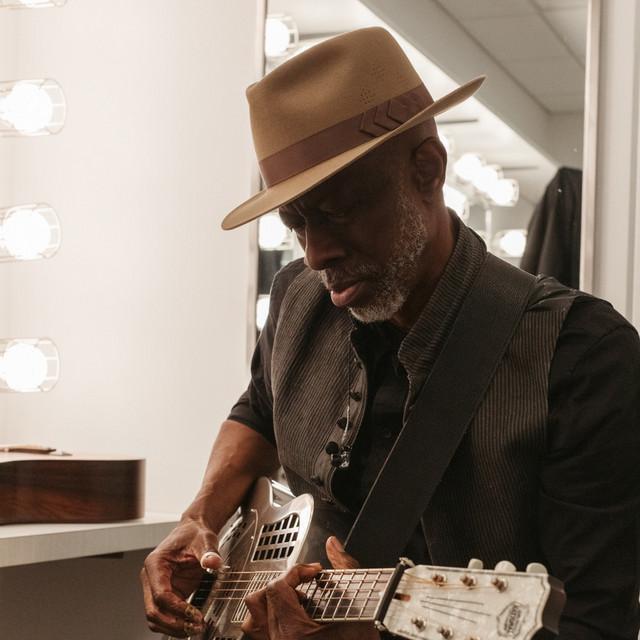
Eric Bibb’s Spotify BioHow does one measure a life? Success, awards, and wealth are conventional metrics, but for Eric Bibb the measure goes deeper—into the questions he poses through his music. With a career spanning five decades, over forty albums, three Grammy nominations, a multitude of Blues Foundation awards and countless more accolades, Bibb has secured his legacy as a legendary figure in the blues and roots genre.
Born into a lineage of activism, Eric's father, the late Leon Bibb, was a key figure in the civil rights movement, marching alongside Dr. Martin Luther King. Immersed in the Village folk scene during his youth, Eric found inspiration in the visits of luminaries like Bob Dylan, Joan Baez, and Pete Seeger. Influenced deeply by the sounds of Odetta, Richie Havens, and Taj Mahal, he synthesized these elements into a style uniquely his own.
Beyond conventional genres, Bibb is labeled a bluesman, but he defies categorization, seamlessly sliding between musical realms. Grounded in the folk and blues… tradition with contemporary sensibilities, Bibb’s music reflects his thoughts on current world events and his own lived experiences, whilst remaining entertaining, uplifting, inspirational and relevant.
Viberate is a music analytics platform built for A&Rs, artist managers, labels, booking agents, marketers, and artists.
It helps music professionals track artist growth, analyze audience data, monitor playlist activity, compare artists, follow song performance, and identify opportunities across the music market.
Public artist pages provide a free preview of selected artist data. Paid plans provide access to deeper analytics, historical data, charts, comparisons, playlist tools, exports, alerts, reports, and additional professional features.
Yes. Public Viberate artist pages provide selected artist analytics and music data for free.
Viberate also offers a 7-day free trial of the full platform. A credit card is required to start the trial. The trial includes access to the complete product so users can test deeper artist analytics, historical views, playlist insights, comparisons, charts, exports, alerts, and reporting features before choosing a paid plan.
Viberate provides artist analytics across streaming, playlists, social media, video, radio airplay, songs, and audience markets.
Users can analyze Spotify performance, Spotify and Apple Music playlists, YouTube activity, TikTok and Instagram growth, radio spins, song performance, audience locations, demographics, rankings, and overall artist momentum.
Artist profiles also connect to music charts, similar artists, and comparison tools, helping users benchmark performance and evaluate artists in context.
Viberate updates key artist and track data daily.
For followed artists and tracks, selected data is refreshed multiple times per day. This helps teams monitor playlist changes, streaming movement, audience growth, releases, and campaign performance with more current data.
Update frequency can vary depending on the metric and data source.
Yes. Viberate lets users compare up to five artists side by side across streaming, social media, audience, and engagement metrics.
Users can compare fanbase growth, audience demographics, locations, Spotify performance, social metrics, and other artist data over selected time periods.
Artist comparison can be used for A&R scouting, benchmarking, booking decisions, campaign planning, and evaluating artists with similar audiences or market positions.