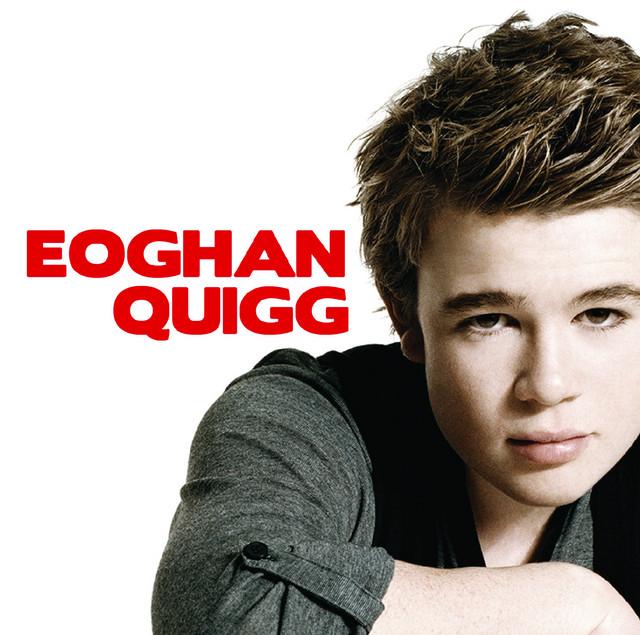
Eoghan Quigg

Pop
Mainstream Pop
 Viberate Rank: 517610
 Viberate Rank: 517610
 Monthly ListenersFollowers
 Subscribers
 Followers
 Followers
 FansTop Spotify Songs
| Track | 7-Day Streams | |
|---|---|---|
1 | 60 | |
2 | 16 | |
3 | 8 | |
4 | 5 | |
5 | 5 |
Top YouTube VideosMonthly ListenersFeatured in Playlists| Playlist | Followers | |
|---|---|---|
1 | The X Factor UK Brian Holland | 5.99K |
2 |  2009 | uk chart hits marcinsta90s | 2.79K |
3 |  X Factor Hits UK - 250 Greatest Singles Mark Weston | 1.48K |
4 |  Lonely Mirror Third Coast Tapes | 1.21K |
Audience| City | Monthly Listeners | |
|---|---|---|
1 | | 31 |
2 | | 23 |
3 |  | 15 |
4 | | 10 |
5 | | 9 |
See full performance history, audience data, playlist activity, rankings, comparisons, and more in Viberate music analytics. Start with a free trial, then continue with a paid plan.
Eoghan Quigg’s Spotify BioWith a similar appeal as previous contestants Leon Jackson and Ray Quinn, schoolboy Eoghan Quigg very nearly became The X Factor's most surprising winner. Born in 1992 in County Londonderry, Northern Ireland, Quigg began singing at an early age, performing in the school choir and in various local productions. In 2008 he auditioned for the fifth series of The X Factor, and after impressing the judges with his rendition of Eric Clapton's "Tears in Heaven," made it all the way to the live stages. His performances of songs by the likes of George Michael, Michael Jackson, and John Lennon made him an early front-runner to win, and thanks to a rumored affair with another contestant, he became one of the show's most talked-about stars. But in a close final, he eventually finished third behind Alexandra Burke and JLS. However, it was revealed after the series ended that Quigg had achieved the most public votes in six of the ten shows. Unlike previous years, Simon Cowell decided not to sign the… show's losing finalists in an attempt to concentrate all his efforts on the winner. However, after performing a homecoming gig in front of 20,000 people, Quigg signed a deal with RCA Records and began work on his self-titled debut album. Featuring songs he performed on the show plus one original track written by Busted's James Bourne, it reached number 14 in the U.K. and number one in Ireland. Quigg was also personally invited to support Boyzone on their U.K. summer shows and also appeared on the annual X Factor Live arena tour. ~ Jon O'Brien, Rovi
Viberate is a music analytics platform built for A&Rs, artist managers, labels, booking agents, marketers, and artists.
It helps music professionals track artist growth, analyze audience data, monitor playlist activity, compare artists, follow song performance, and identify opportunities across the music market.
Public artist pages provide a free preview of selected artist data. Paid plans provide access to deeper analytics, historical data, charts, comparisons, playlist tools, exports, alerts, reports, and additional professional features.
Yes. Public Viberate artist pages provide selected artist analytics and music data for free.
Viberate also offers a 7-day free trial of the full platform. A credit card is required to start the trial. The trial includes access to the complete product so users can test deeper artist analytics, historical views, playlist insights, comparisons, charts, exports, alerts, and reporting features before choosing a paid plan.
Viberate provides artist analytics across streaming, playlists, social media, video, radio airplay, songs, and audience markets.
Users can analyze Spotify performance, Spotify and Apple Music playlists, YouTube activity, TikTok and Instagram growth, radio spins, song performance, audience locations, demographics, rankings, and overall artist momentum.
Artist profiles also connect to music charts, similar artists, and comparison tools, helping users benchmark performance and evaluate artists in context.
Viberate updates key artist and track data daily.
For followed artists and tracks, selected data is refreshed multiple times per day. This helps teams monitor playlist changes, streaming movement, audience growth, releases, and campaign performance with more current data.
Update frequency can vary depending on the metric and data source.
Yes. Viberate lets users compare up to five artists side by side across streaming, social media, audience, and engagement metrics.
Users can compare fanbase growth, audience demographics, locations, Spotify performance, social metrics, and other artist data over selected time periods.
Artist comparison can be used for A&R scouting, benchmarking, booking decisions, campaign planning, and evaluating artists with similar audiences or market positions.