Enochian Crescent

Metal
Black Metal
 Viberate Rank: 449529
 Viberate Rank: 449529
 Monthly ListenersFollowers
 Subscribers
 Followers
 Followers
 FansTop Spotify Songs
| Track | 7-Day Streams | |
|---|---|---|
1 | 84 | |
2 | 36 | |
3 | 30 | |
4 | 30 | |
5 | 30 |
Top YouTube VideosMonthly ListenersFeatured in Playlists| Playlist | Followers | |
|---|---|---|
1 |  Finnish metal Wolfheart | 6.32K |
2 | SATANIC BLACK METAL FROM HELL Mike Smith | 2.71K |
3 |  NORDIC BLACK METAL Úlfr Borgr Rauðeiriksson | 1.30K |
4 | Black Metal James Fligor | 1.29K |
5 |  The Sound of Cosmic Black Metal The Sounds of Spotify | 1.28K |
Audience| City | Monthly Listeners | |
|---|---|---|
1 | | 38 |
2 | | 11 |
3 | | 11 |
4 |  | 7 |
5 | | 5 |
See full performance history, audience data, playlist activity, rankings, comparisons, and more in Viberate music analytics. Start with a free trial, then continue with a paid plan.
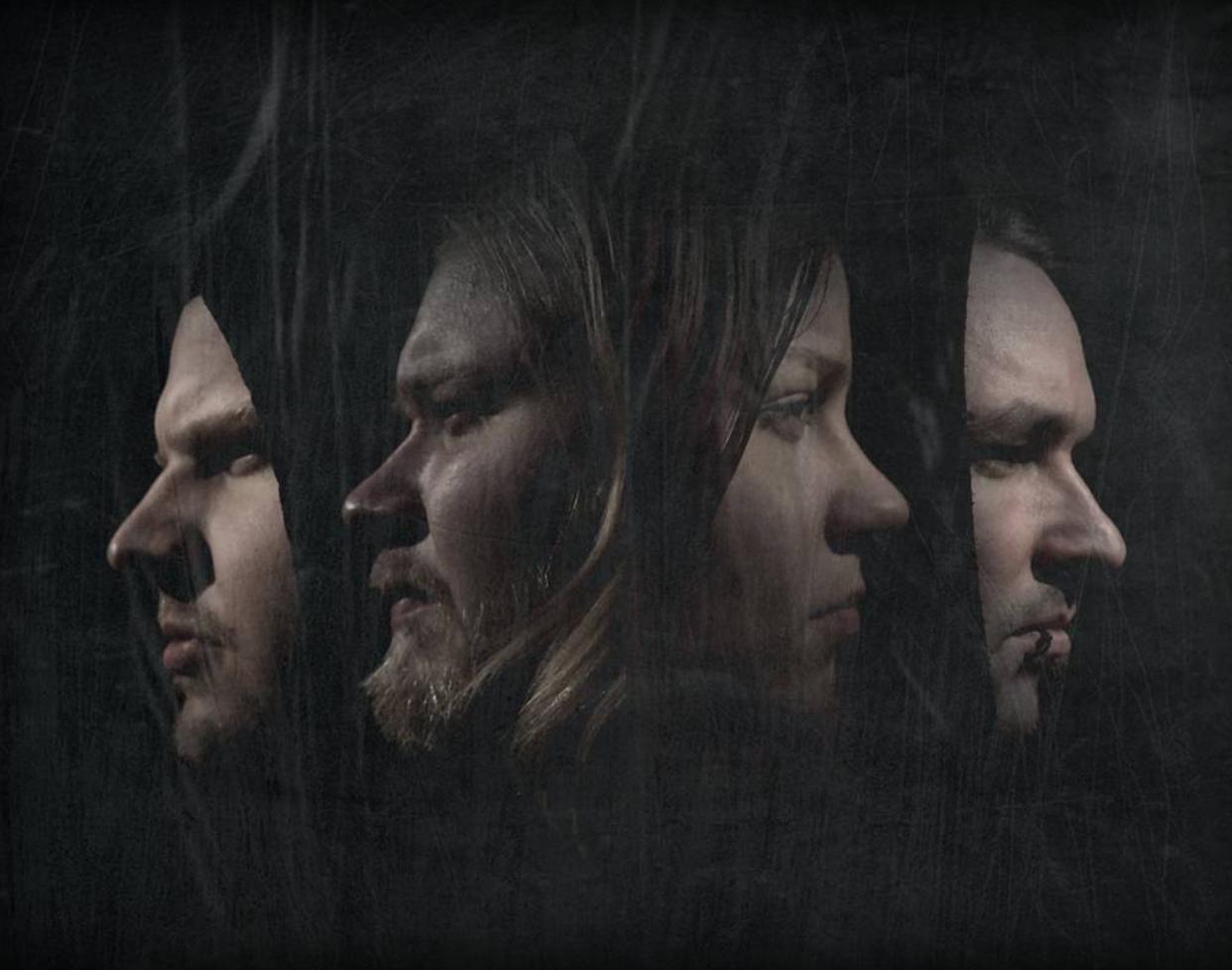
Enochian Crescent’s Spotify BioHailing from the town of Vaasa, in Finland, Enochian Crescent was formed in 1995 by vocalist Wrath (real name Janne Kuru) and guitarist Victor (Karri Suoraniemi) -- both of them quite unusual artists, as mysterious in their motives as they are musically inspired. However, neither 1996's Anno Bastardi mini-album, nor its next-year full-length follow-up, Telocvovim, received the necessary exposure from the band's tiny label, Woodcut, to spread their burgeoning reputation beyond local citizens. Instead, Enochian Crescent's seemingly predestined date with far-flung notoriety only arrived when singer Wrath was hospitalized after cutting his own wrists on-stage (famously making a mess of it for scheduled headliners Emperor)! As a result, Nuclear Blast's Radiation Records imprint quickly licensed Telocvovim for release throughout Europe, where it was duly acclaimed by most critics and fans, and led to a new deal with Avantgarde Music for 1998's Babalon Patralx de Telocvovim EP, and 2000's… Omega Telocvovim album. These, too, were hailed as unusually imaginative and innovative works, generally breaking with tired black metal conventions with stunning results. But a series of musician defections and escalating disagreements between band and label wound up resulting in an extended state of limbo from which Enochian Crescent would only emerge -- seemingly unscathed and still effortlessly breaking new ground -- five years later, with the conceptual Black Church album. ~ Eduardo Rivadavia, Rovi
Viberate is a music analytics platform built for A&Rs, artist managers, labels, booking agents, marketers, and artists.
It helps music professionals track artist growth, analyze audience data, monitor playlist activity, compare artists, follow song performance, and identify opportunities across the music market.
Public artist pages provide a free preview of selected artist data. Paid plans provide access to deeper analytics, historical data, charts, comparisons, playlist tools, exports, alerts, reports, and additional professional features.
Yes. Public Viberate artist pages provide selected artist analytics and music data for free.
Viberate also offers a 7-day free trial of the full platform. A credit card is required to start the trial. The trial includes access to the complete product so users can test deeper artist analytics, historical views, playlist insights, comparisons, charts, exports, alerts, and reporting features before choosing a paid plan.
Viberate provides artist analytics across streaming, playlists, social media, video, radio airplay, songs, and audience markets.
Users can analyze Spotify performance, Spotify and Apple Music playlists, YouTube activity, TikTok and Instagram growth, radio spins, song performance, audience locations, demographics, rankings, and overall artist momentum.
Artist profiles also connect to music charts, similar artists, and comparison tools, helping users benchmark performance and evaluate artists in context.
Viberate updates key artist and track data daily.
For followed artists and tracks, selected data is refreshed multiple times per day. This helps teams monitor playlist changes, streaming movement, audience growth, releases, and campaign performance with more current data.
Update frequency can vary depending on the metric and data source.
Yes. Viberate lets users compare up to five artists side by side across streaming, social media, audience, and engagement metrics.
Users can compare fanbase growth, audience demographics, locations, Spotify performance, social metrics, and other artist data over selected time periods.
Artist comparison can be used for A&R scouting, benchmarking, booking decisions, campaign planning, and evaluating artists with similar audiences or market positions.