Engines Made From Soup

Rock
Alternative Rock
 Viberate Rank: 566001
 Viberate Rank: 566001
 Monthly ListenersFollowers
 Subscribers
 Followers
 Followers
 FansTop YouTube VideosMonthly ListenersFeatured in Playlists
| Playlist | Followers | |
|---|---|---|
1 |  NAS: Songsmith S | 3.33K |
2 | NAS Indie & Alternative Tom Duggan Music | 2.12K |
Audience| City | Monthly Listeners | |
|---|---|---|
1 |  | 3 |
See full performance history, audience data, playlist activity, rankings, comparisons, and more in Viberate music analytics. Start with a free trial, then continue with a paid plan.
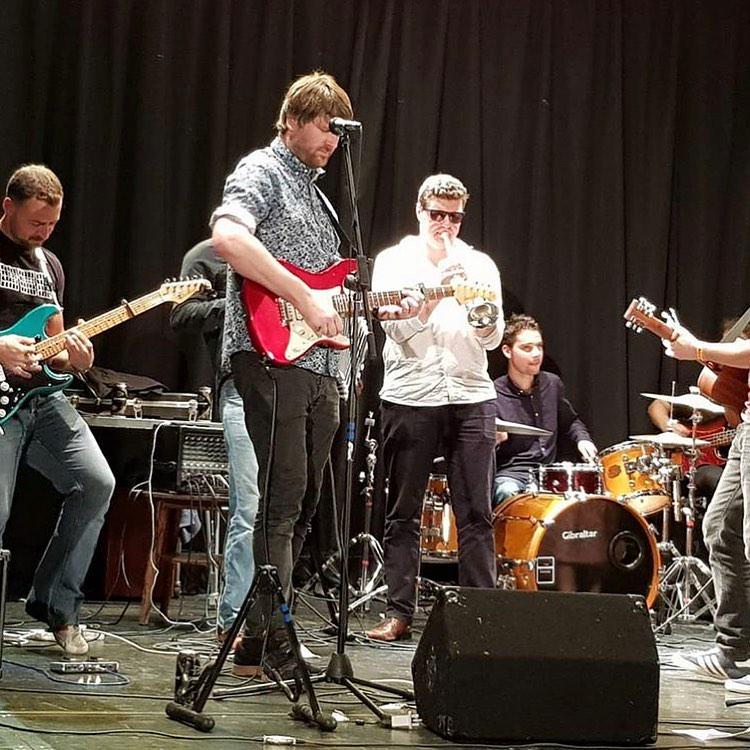
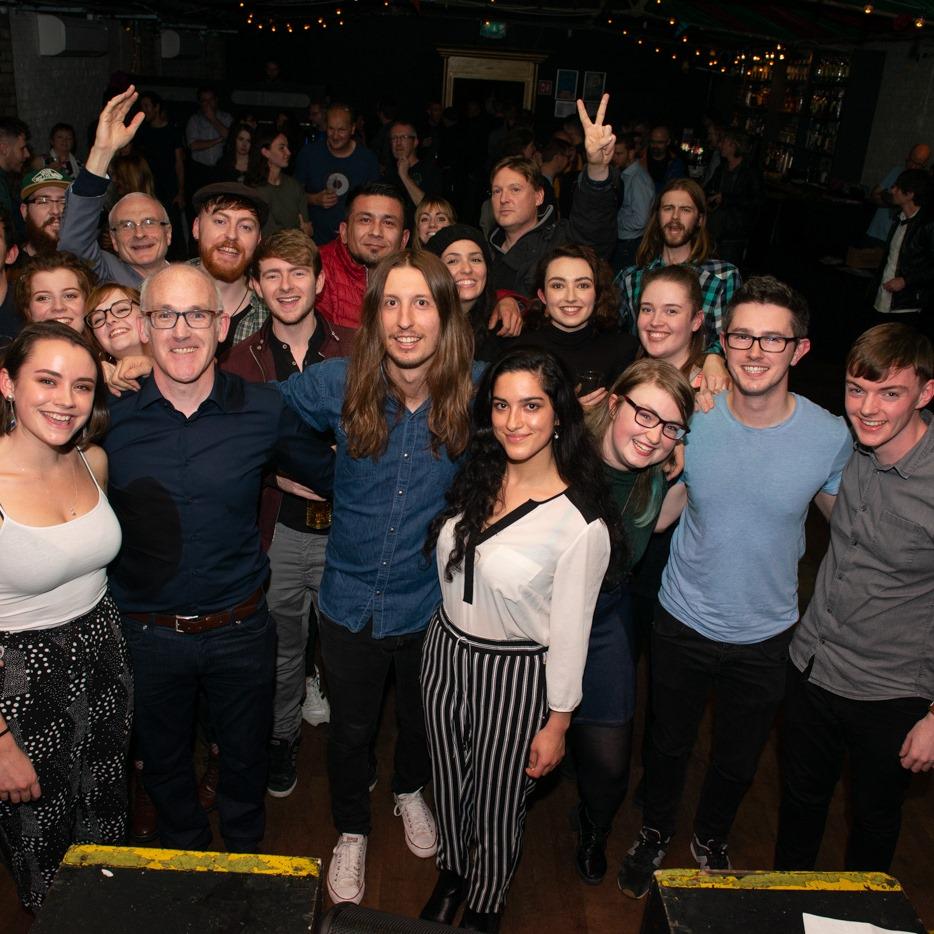
Engines Made From Soup’s Spotify BioEngines Made From Soup are originally from Merseyside, UK and comprise of:
Gareth Cross 'Crossy' - Lead Vocals
Gareth Evans 'Evo' - Keyboards & Backing Vocals Stephen Spencer 'Ste' - Guitars
Crossy met Ste at Boy Scouts and went to school with Evo. Influenced by Joy Division, Echo & The Bunnymen, David Bowie, The Smiths and lan McNabb, amongst others, the band has played gigs across Britain, including playing at the Cavern Club on Mathew Street, Liverpool and the Louisiana, Bristol.
The band’s indie pop songs feature strong lead vocals, searing guitar riffs, great keyboard melodies and striking vocal harmonies.
Their second studio album ‘Contact’ (2023) was described by Phonotonal as ‘a fine and unusual album’. Later in 2023 the band released the single ‘My People’ which was described as having ‘flickers of The Smiths’.
The band are now writing their third studio album and are excited the first single from it ‘Where the Incline Stops’ releases worldwide on 23-Feb-24. This song celebrates… where a long-distance London-St Helens love story started and blossomed, nearby to St Helens Junction railway station (opened in 1830) which stands where the Sutton incline (on the old, disused, St Helens and Runcorn Gap Railway) stops.
Follow the band on Facebook, Twitter and Instagram using the links below for news of upcoming releases and tour dates.
Go to https://linktr.ee/emfs for all things ‘Soupy’, including interviews, legacy recordings and great band merch!
Viberate is a music analytics platform built for A&Rs, artist managers, labels, booking agents, marketers, and artists.
It helps music professionals track artist growth, analyze audience data, monitor playlist activity, compare artists, follow song performance, and identify opportunities across the music market.
Public artist pages provide a free preview of selected artist data. Paid plans provide access to deeper analytics, historical data, charts, comparisons, playlist tools, exports, alerts, reports, and additional professional features.
Yes. Public Viberate artist pages provide selected artist analytics and music data for free.
Viberate also offers a 7-day free trial of the full platform. A credit card is required to start the trial. The trial includes access to the complete product so users can test deeper artist analytics, historical views, playlist insights, comparisons, charts, exports, alerts, and reporting features before choosing a paid plan.
Viberate provides artist analytics across streaming, playlists, social media, video, radio airplay, songs, and audience markets.
Users can analyze Spotify performance, Spotify and Apple Music playlists, YouTube activity, TikTok and Instagram growth, radio spins, song performance, audience locations, demographics, rankings, and overall artist momentum.
Artist profiles also connect to music charts, similar artists, and comparison tools, helping users benchmark performance and evaluate artists in context.
Viberate updates key artist and track data daily.
For followed artists and tracks, selected data is refreshed multiple times per day. This helps teams monitor playlist changes, streaming movement, audience growth, releases, and campaign performance with more current data.
Update frequency can vary depending on the metric and data source.
Yes. Viberate lets users compare up to five artists side by side across streaming, social media, audience, and engagement metrics.
Users can compare fanbase growth, audience demographics, locations, Spotify performance, social metrics, and other artist data over selected time periods.
Artist comparison can be used for A&R scouting, benchmarking, booking decisions, campaign planning, and evaluating artists with similar audiences or market positions.