Endstille

Metal
Black Metal
 Viberate Rank: 221675
 Viberate Rank: 221675
 Monthly ListenersFollowers
 Subscribers
 Followers
 Followers
 FansTop Spotify Songs
| Track | 7-Day Streams | |
|---|---|---|
1 | 294 | |
2 | 281 | |
3 | 215 | |
4 | 181 | |
5 | 117 |
Top YouTube VideosMonthly ListenersFeatured in Playlists| Playlist | Followers | |
|---|---|---|
1 |  Wacken Open Air 2024 Wacken Open Air | 8.49K |
2 |  BLACKMETAL DSBM badyushka🕷️🩸 | 3.61K |
3 |  War Black Metal saltyklaas | 1.93K |
4 |  Atmospheric Black Metal/ DSBM Marc Ost | 1.81K |
5 |  atmospheric black metal Myrkker | 1.43K |
Audience| City | Monthly Listeners | |
|---|---|---|
1 | | 135 |
2 | | 82 |
3 | | 75 |
4 | | 71 |
5 | | 57 |
See full performance history, audience data, playlist activity, rankings, comparisons, and more in Viberate music analytics. Start with a free trial, then continue with a paid plan.
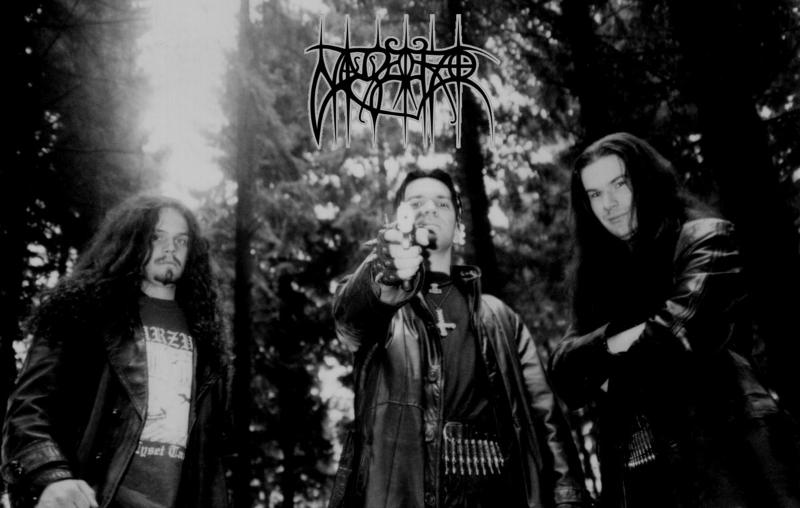
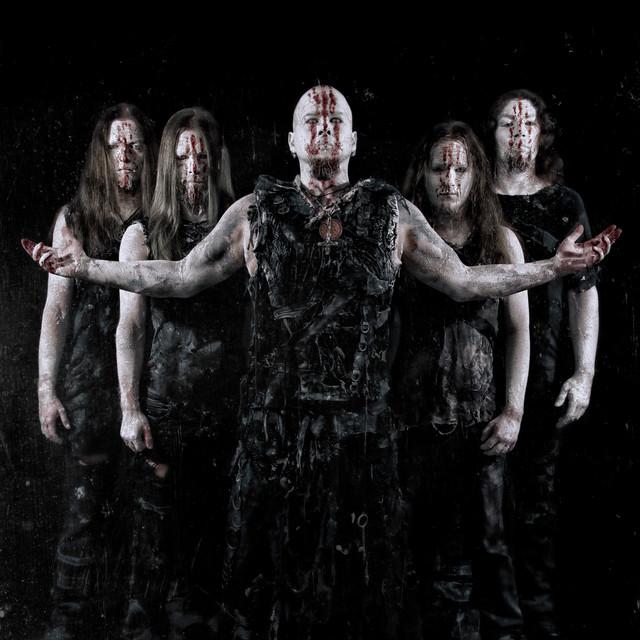
Endstille’s Spotify BioA black metal band from Kiel, Germany, Endstille were founded in the year 2000 by vocalist Iblis, guitarist Lars Wachtfels, bassist Cruor, and drummer Mayhemic Destructor (no, really!), the latter threesome having already played together in the underground band Tauthr. United by the mission to perpetrate -- in their words -- "the ugliest aggressive black metal with the fire-speed of an MG42 and the power of heavy ship-artillery" (!), Endstille presented some of the fastest, most remorselessly single-minded black metal onslaughts ever recorded on ensuing albums like Operation Wintersturm (2002), Frühlingserwachen (2003), Dominanz (2004), and Navigator (2005) -- all of them released through Sweden's Regain Records. As their public profile grew, Endstille's peculiar penchant for describing infamous German weaponry from World War II in their lyrics led some critics to question their political alliances, but the group vehemently refuted any right-wing agenda in spite of eyebrow-raising… subsequent offerings like 2006's Lauschangriff EP (a split with satanic black metallers Graupel), 2007's Endstilles Reich, and 2009's Verführer. ~ Eduardo Rivadavia, Rovi
Viberate is a music analytics platform built for A&Rs, artist managers, labels, booking agents, marketers, and artists.
It helps music professionals track artist growth, analyze audience data, monitor playlist activity, compare artists, follow song performance, and identify opportunities across the music market.
Public artist pages provide a free preview of selected artist data. Paid plans provide access to deeper analytics, historical data, charts, comparisons, playlist tools, exports, alerts, reports, and additional professional features.
Yes. Public Viberate artist pages provide selected artist analytics and music data for free.
Viberate also offers a 7-day free trial of the full platform. A credit card is required to start the trial. The trial includes access to the complete product so users can test deeper artist analytics, historical views, playlist insights, comparisons, charts, exports, alerts, and reporting features before choosing a paid plan.
Viberate provides artist analytics across streaming, playlists, social media, video, radio airplay, songs, and audience markets.
Users can analyze Spotify performance, Spotify and Apple Music playlists, YouTube activity, TikTok and Instagram growth, radio spins, song performance, audience locations, demographics, rankings, and overall artist momentum.
Artist profiles also connect to music charts, similar artists, and comparison tools, helping users benchmark performance and evaluate artists in context.
Viberate updates key artist and track data daily.
For followed artists and tracks, selected data is refreshed multiple times per day. This helps teams monitor playlist changes, streaming movement, audience growth, releases, and campaign performance with more current data.
Update frequency can vary depending on the metric and data source.
Yes. Viberate lets users compare up to five artists side by side across streaming, social media, audience, and engagement metrics.
Users can compare fanbase growth, audience demographics, locations, Spotify performance, social metrics, and other artist data over selected time periods.
Artist comparison can be used for A&R scouting, benchmarking, booking decisions, campaign planning, and evaluating artists with similar audiences or market positions.