Endless Boogie

Rock
Psychedelic Rock
Stoner Rock
 Viberate Rank: 213476
 Viberate Rank: 213476
 Monthly ListenersFollowers
 Subscribers
 Followers
 Followers
 FansTop Spotify Songs
| Track | 7-Day Streams | |
|---|---|---|
1 | 918 | |
2 | 326 | |
3 | 314 | |
4 | 277 | |
5 | 167 |
Top YouTube Videos| Video | 7-Day Views | |
|---|---|---|
1 | 1 |
Monthly ListenersFeatured in Playlists| Playlist | Followers | |
|---|---|---|
1 |  Stoner Rock & Psychedelic Space Rock StonerRock.Space | 36.07K |
2 |  Stoner Rock A-Z boogievan | 24.16K |
3 |  UNDERGROUND Bruno Starring | 11.87K |
4 |  Rock Now Listn | 11.81K |
5 |  Psychedelic Rock Aryna Livadari | 10.95K |
Audience| City | Monthly Listeners | |
|---|---|---|
1 |  | 253 |
2 | | 141 |
3 |  | 120 |
4 | | 84 |
5 |  | 73 |
See full performance history, audience data, playlist activity, rankings, comparisons, and more in Viberate music analytics. Start with a free trial, then continue with a paid plan.
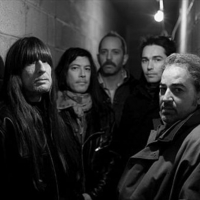
Endless Boogie’s Spotify BioFormed in the heart of Brooklyn, N.Y.C., Endless Boogie are an American rock ensemble, known for traversing the styles of psychedelic rock, stoner rock, and blues rock. Made up of Paul Major (vocals, guitar), Jesper Eklow (guitar), Marc Razo (bass guitar), and Harry Druzd (drums) the band was formed in 1997 after the members began to indulge in Tuesday night jam sessions. After some time, word began to spread of the ensemble’s sound and indie rock musician Stephen Malkmus decided to coax them out of their rehearsal space in order to open for his band Stephen Malkmus and the Jicks at their debut N.Y.C. show in 2001. Naming themselves after an album by John Lee Hooker, the band’s performance was a success, which led to more live requests and the quartet eventually found themselves recording their rehearsals for their debut independent releases in 2005. The recordings in question were composed of numerous basement rehearsals, separated into limited copies of two volumes (simply entitled… Vol. 1 and Vol. 2) which the band gave out at their appearance at the 2005 ATP festival in the U.K. In 2008, the band put out their first official album, Focus Level, via Philadelphia-based label, No Quarter Records. The record received widespread critical acclaim, garnering stylistic comparisons to the blues-laden hard rock of household acts such as ZZ Top and Canned Heat. The band delivered their sophomore effort for No Quarter in 2010’s Full House Head, which was swiftly followed by another rehearsal collection entitled The Skinless Ogress Revolution, Which Feeds on Human Sacrifice; a limited-edition 100-copy release that Eklow had handmade for sale at gigs on a West Coast tour. This tradition of capturing live rehearsals for hard copy releases cropped up again on the 2011 EP Twenty Minute Jam: Getting Out of the City. Endless Boogie's third album, Long Island, was deemed as one of the band’s career-defining moments, with many citing it as their most eclectic, cohesive, and detailed effort to date. The group returned in early 2017 with their fourth full-length, Vibe Killer. The record was once again released via No Quarter Records. ~ Rob Wacey, Rovi
Viberate is a music analytics platform built for A&Rs, artist managers, labels, booking agents, marketers, and artists.
It helps music professionals track artist growth, analyze audience data, monitor playlist activity, compare artists, follow song performance, and identify opportunities across the music market.
Public artist pages provide a free preview of selected artist data. Paid plans provide access to deeper analytics, historical data, charts, comparisons, playlist tools, exports, alerts, reports, and additional professional features.
Yes. Public Viberate artist pages provide selected artist analytics and music data for free.
Viberate also offers a 7-day free trial of the full platform. A credit card is required to start the trial. The trial includes access to the complete product so users can test deeper artist analytics, historical views, playlist insights, comparisons, charts, exports, alerts, and reporting features before choosing a paid plan.
Viberate provides artist analytics across streaming, playlists, social media, video, radio airplay, songs, and audience markets.
Users can analyze Spotify performance, Spotify and Apple Music playlists, YouTube activity, TikTok and Instagram growth, radio spins, song performance, audience locations, demographics, rankings, and overall artist momentum.
Artist profiles also connect to music charts, similar artists, and comparison tools, helping users benchmark performance and evaluate artists in context.
Viberate updates key artist and track data daily.
For followed artists and tracks, selected data is refreshed multiple times per day. This helps teams monitor playlist changes, streaming movement, audience growth, releases, and campaign performance with more current data.
Update frequency can vary depending on the metric and data source.
Yes. Viberate lets users compare up to five artists side by side across streaming, social media, audience, and engagement metrics.
Users can compare fanbase growth, audience demographics, locations, Spotify performance, social metrics, and other artist data over selected time periods.
Artist comparison can be used for A&R scouting, benchmarking, booking decisions, campaign planning, and evaluating artists with similar audiences or market positions.