Empty Tremor

Metal
Progressive Metal
Mainstream Pop
Hard Rock
 Viberate Rank: 567115
 Viberate Rank: 567115
 Monthly ListenersFollowers
 Subscribers
 Followers
 Followers
 FansTop Spotify Songs
| Track | 7-Day Streams | |
|---|---|---|
1 | 20 | |
2 | 20 | |
3 | 14 | |
4 | 14 | |
5 | 10 |
Top YouTube VideosMonthly ListenersFeatured in PlaylistsAudience| City | Monthly Listeners | |
|---|---|---|
1 |  | 7 |
2 | | 4 |
3 |  | 4 |
4 | | 4 |
5 | | 3 |
See full performance history, audience data, playlist activity, rankings, comparisons, and more in Viberate music analytics. Start with a free trial, then continue with a paid plan.
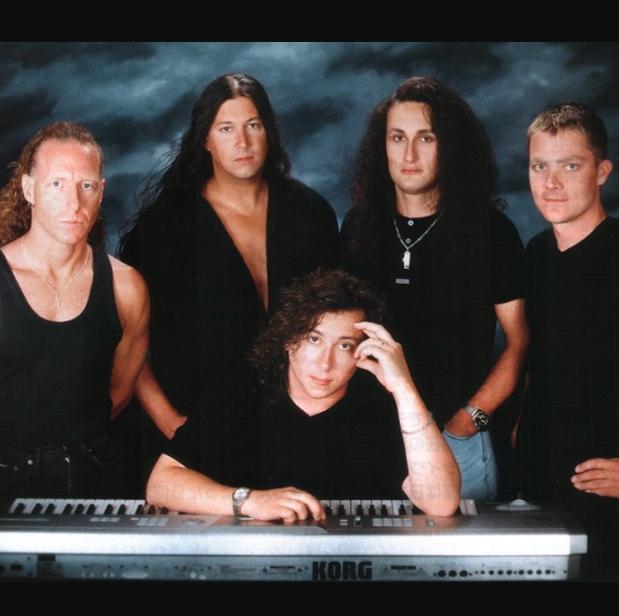
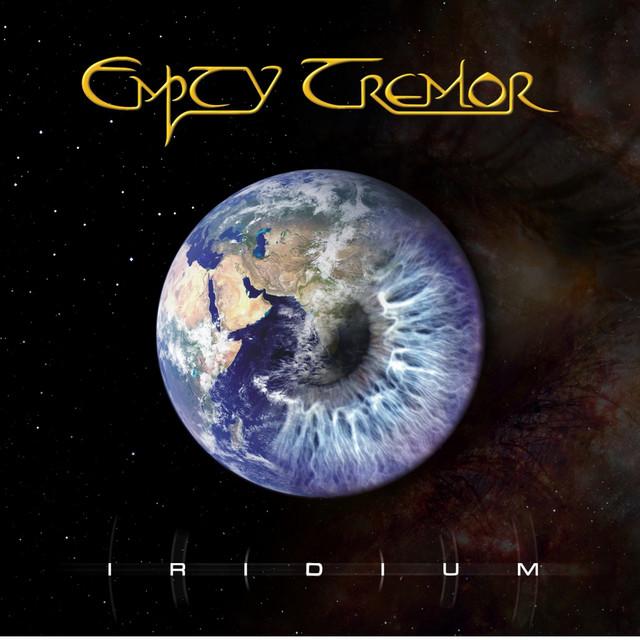
Empty Tremor’s Spotify BioRavenna 21.02.1993...nascono a Mezzano ( Ra) i Noise pollution ( cover band di Metallica, GNR, Megadeth, Led Zeppelin...). I componenti della band sono Davide De Paoli ( voce), Dennis Randi (Basso), Christian Tombetti ( Chitarra), Stefano Ruzzi ( Batteria) e Marco Guerrini ( chitarra). Dopo 6 mesi dall'esordio si unisce a loro il poli strumentista Daniele Liverani alle tastiere ed iniziano a comporre i primi brani con una forte impronta progressive metal nata dall'amore per i Dream Theater...di lì a poco cambieranno nome in Empty Tremor. Nel 1995 incidono la prima demo tape "Apocolokyntosys" con Matteo Babini alla voce che per motivi di gestione verrà sostituito da Giovanni De Luigi. Nel 1996 Apocolokyntosys diventa il primo album ufficiale della band grazie alla distribuzione di Pick Up records. Nel 1999 esce il secondo album ( "Eros & Thanatos" ) con la stessa formazione e viene pubblicata una raccolta dedicata ai Dream Theater ( Voices -Tribute to Dream Theater-).Nel 2004 De… Luigi lascia la band e gli ET lo sostituiscono con Oliver Hartmann alla voce per l'uscita del loro terzo "The Alien Inside" con il quale apriranno il Train of Thought Tour dei Dream Theater. Nel 2006 Daniele Liverani e Stefano Ruzzi lasciano la band. Nel 2010 con l'ingresso di Marco Scott Gilardi alle tastiere, Dario Ciccioni alla batteria ed il ritorno di Giò De Luigi viene -pubblicato IRIDIUM .Nel 2013 viene registrato il primo album live per i ventennale della band "Slice of Live"
Viberate is a music analytics platform built for A&Rs, artist managers, labels, booking agents, marketers, and artists.
It helps music professionals track artist growth, analyze audience data, monitor playlist activity, compare artists, follow song performance, and identify opportunities across the music market.
Public artist pages provide a free preview of selected artist data. Paid plans provide access to deeper analytics, historical data, charts, comparisons, playlist tools, exports, alerts, reports, and additional professional features.
Yes. Public Viberate artist pages provide selected artist analytics and music data for free.
Viberate also offers a 7-day free trial of the full platform. A credit card is required to start the trial. The trial includes access to the complete product so users can test deeper artist analytics, historical views, playlist insights, comparisons, charts, exports, alerts, and reporting features before choosing a paid plan.
Viberate provides artist analytics across streaming, playlists, social media, video, radio airplay, songs, and audience markets.
Users can analyze Spotify performance, Spotify and Apple Music playlists, YouTube activity, TikTok and Instagram growth, radio spins, song performance, audience locations, demographics, rankings, and overall artist momentum.
Artist profiles also connect to music charts, similar artists, and comparison tools, helping users benchmark performance and evaluate artists in context.
Viberate updates key artist and track data daily.
For followed artists and tracks, selected data is refreshed multiple times per day. This helps teams monitor playlist changes, streaming movement, audience growth, releases, and campaign performance with more current data.
Update frequency can vary depending on the metric and data source.
Yes. Viberate lets users compare up to five artists side by side across streaming, social media, audience, and engagement metrics.
Users can compare fanbase growth, audience demographics, locations, Spotify performance, social metrics, and other artist data over selected time periods.
Artist comparison can be used for A&R scouting, benchmarking, booking decisions, campaign planning, and evaluating artists with similar audiences or market positions.