Empire

Rock
Hard Rock
Heavy Metal
 Viberate Rank: 20543
 Viberate Rank: 20543
 Monthly ListenersFollowers
 Subscribers
 Followers
 Followers
 FansTop Spotify Songs
| Track | 7-Day Streams | |
|---|---|---|
1 | 375 | |
2 | 29 | |
3 | 21 | |
4 | 21 | |
5 | 20 |
Top YouTube Videos| Video | 7-Day Views | |
|---|---|---|
1 | 12.50K | |
2 | 4.30K | |
3 | 3.53K | |
4 | 3.51K | |
5 | 3.23K |
Monthly ListenersFeatured in PlaylistsAudience| City | Monthly Listeners | |
|---|---|---|
1 |  | 44 |
2 |  | 36 |
3 |  | 24 |
4 |  | 23 |
5 |  | 20 |
See full performance history, audience data, playlist activity, rankings, comparisons, and more in Viberate music analytics. Start with a free trial, then continue with a paid plan.
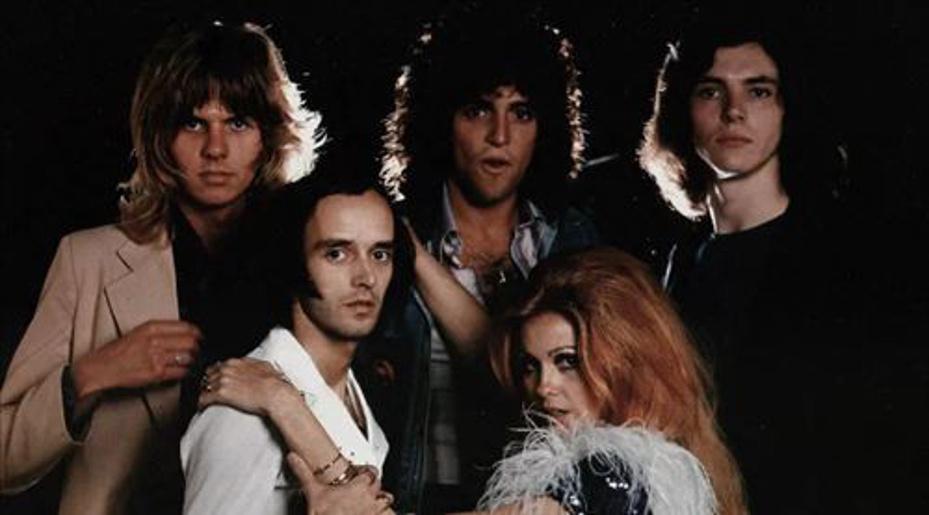
Empire’s Spotify BioEmpire had its origins in the demise of the band Flash -- in fact, for a short while its name was simply Flash Mk. II. Guitarist Peter Banks, formerly of Yes, emerged from management disputes of Flash to pull together a band of jam-mates in the loosely structured ZOX and the Radar Boys. These jams had featured Phil Collins behind the drums, though his commitment to Genesis meant that he could only sit in on a few tracks of the 1974 recording sessions for the newly named Empire.
The sound of Empire had distinct progressive elements, as one might expect with both Banks and Collins around. Their recordings, though, were marked by a willingness to dip into a wide variety of musical genres, from blues to country blues. The band was also unusual among progressive bands in being fronted by a woman. Although Renaissance had the ethereal voice of Annie Haslam, Empire's Sydney Foxx provided a notable counterpoint to the band's complexity by with her strong bluesy vocals, not unlike Lydia Pense or… even Janis Joplin at times.
Empire's work brought little success, though. Despite some anticipation among the pop music press, Banks and Foxx were unable to land distribution for their work either in Britain or the U.S. Still clinging to hope, the group recorded two more albums in the '70s but to no avail. It was to be two decades before One Way released them on CD; and while not exactly lost classics, the albums are of a high enough quality that it's unfortunate that the band was unable to get any footing before its breakup in 1980. ~ Paul Collins, Rovi
Viberate is a music analytics platform built for A&Rs, artist managers, labels, booking agents, marketers, and artists.
It helps music professionals track artist growth, analyze audience data, monitor playlist activity, compare artists, follow song performance, and identify opportunities across the music market.
Public artist pages provide a free preview of selected artist data. Paid plans provide access to deeper analytics, historical data, charts, comparisons, playlist tools, exports, alerts, reports, and additional professional features.
Yes. Public Viberate artist pages provide selected artist analytics and music data for free.
Viberate also offers a 7-day free trial of the full platform. A credit card is required to start the trial. The trial includes access to the complete product so users can test deeper artist analytics, historical views, playlist insights, comparisons, charts, exports, alerts, and reporting features before choosing a paid plan.
Viberate provides artist analytics across streaming, playlists, social media, video, radio airplay, songs, and audience markets.
Users can analyze Spotify performance, Spotify and Apple Music playlists, YouTube activity, TikTok and Instagram growth, radio spins, song performance, audience locations, demographics, rankings, and overall artist momentum.
Artist profiles also connect to music charts, similar artists, and comparison tools, helping users benchmark performance and evaluate artists in context.
Viberate updates key artist and track data daily.
For followed artists and tracks, selected data is refreshed multiple times per day. This helps teams monitor playlist changes, streaming movement, audience growth, releases, and campaign performance with more current data.
Update frequency can vary depending on the metric and data source.
Yes. Viberate lets users compare up to five artists side by side across streaming, social media, audience, and engagement metrics.
Users can compare fanbase growth, audience demographics, locations, Spotify performance, social metrics, and other artist data over selected time periods.
Artist comparison can be used for A&R scouting, benchmarking, booking decisions, campaign planning, and evaluating artists with similar audiences or market positions.