Emo Night Brooklyn

Punk
Punk Rock
Pop Punk
 Viberate Rank: 89410
 Viberate Rank: 89410
 Monthly ListenersFollowers
 Subscribers
 Followers
 Followers
 FansTop Spotify Songs
| Track | 7-Day Streams | |
|---|---|---|
1 | 172 | |
2 | 67 | |
3 | 41 |
Top YouTube VideosMonthly ListenersFeatured in Playlists| Playlist | Followers | |
|---|---|---|
1 | 90's/00's Alternative Rock dolphinsfan49 | 44.63K |
2 | emonight_bk | 10.55K |
3 | EMO NIGHT BROOKLYN OFFICIAL PLAYLIST emonight_bk | 4.97K |
4 |  gaslighting? that’s a pretty big word babe katie | 1.66K |
5 |  Blue Ridge Rock Fest 2022 Andrew Wohlschlegel | 1.30K |
Audience| City | Monthly Listeners | |
|---|---|---|
1 | | 15 |
2 | | 14 |
3 | | 14 |
4 | | 13 |
5 | | 13 |
See full performance history, audience data, playlist activity, rankings, comparisons, and more in Viberate music analytics. Start with a free trial, then continue with a paid plan.
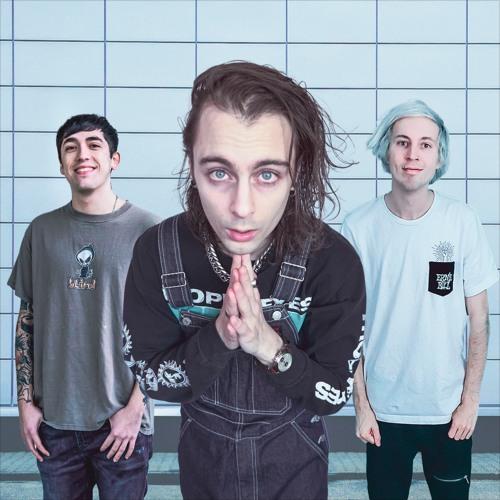
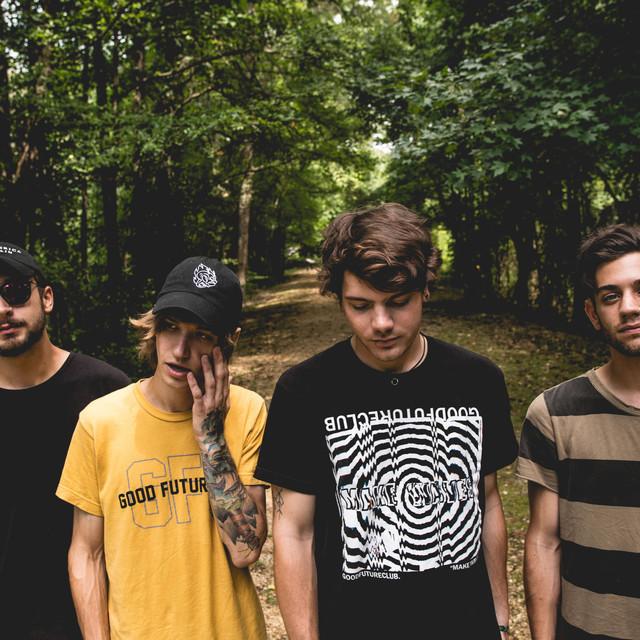
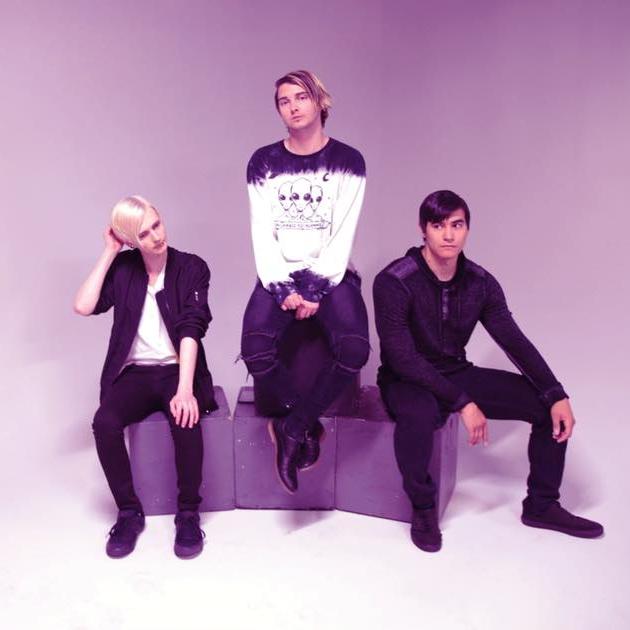
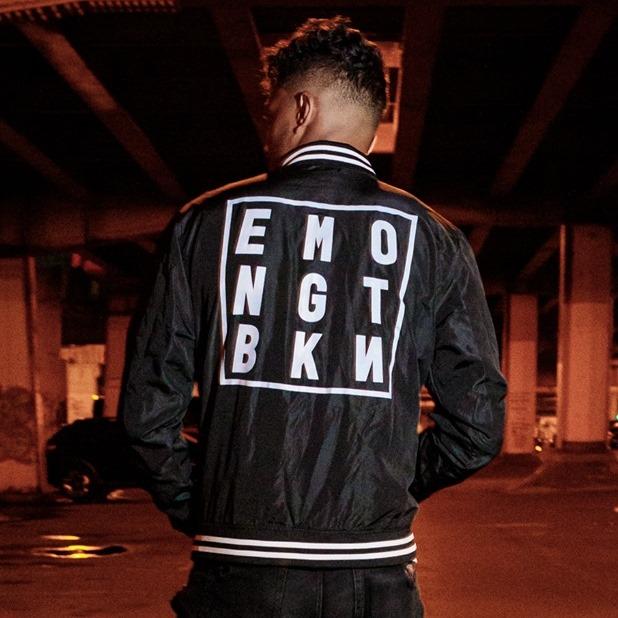
Emo Night Brooklyn’s Spotify BioEmo Night Brooklyn was founded by two best friends, Ethan Maccoby and Alex Badanes, who grew up listening to music, going to shows, and throwing some epic parties. ENB is an event that celebrates the Emo / Pop Punk genre, including DJ sets and live performances.
The first ENB was held in a packed basement bar in Williamsburg, Brooklyn. The party proved to be one of the best nights of their lives, and it instantly grew to a NYC monthly staple, moving the party to larger 1000+ capacity venues such as Brooklyn Bowl and Irving Plaza.
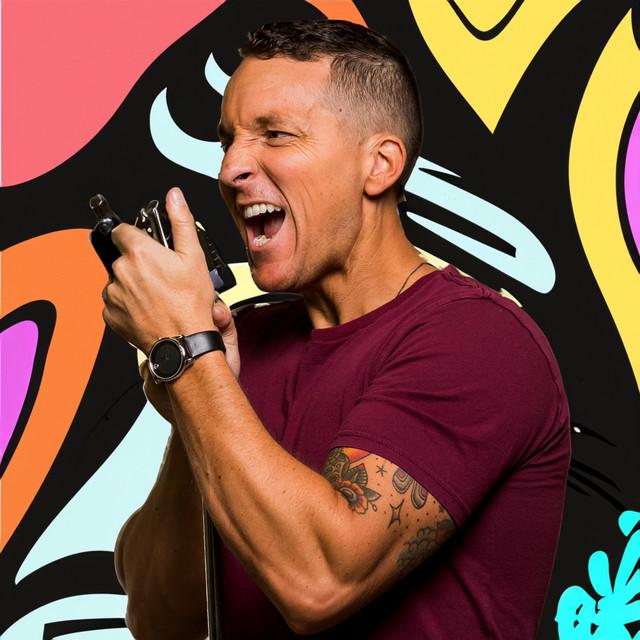
Since then, many icons of the emo/pop punk scene have joined the party to guest DJ or perform, including Ryan Key of Yellowcard, Derek Sanders of Mayday Parade, William Beckett of The Academy Is, Jordan Pundik of New Found Glory, Travis Clark of We The Kings, and many more.
Today, ENB has regular events in 40+ cities in the US, and has now expanded to London and Berlin.
In 2018, Ethan and Alex decided to create their first original song, "Back In Time" inspired by… the genre they grew up on. "Back In Time" was produced and co-written by Ryan Key of Yellowcard.
They welcome you to join the party and celebrate the music that made you who you are.<br>
Viberate is a music analytics platform built for A&Rs, artist managers, labels, booking agents, marketers, and artists.
It helps music professionals track artist growth, analyze audience data, monitor playlist activity, compare artists, follow song performance, and identify opportunities across the music market.
Public artist pages provide a free preview of selected artist data. Paid plans provide access to deeper analytics, historical data, charts, comparisons, playlist tools, exports, alerts, reports, and additional professional features.
Yes. Public Viberate artist pages provide selected artist analytics and music data for free.
Viberate also offers a 7-day free trial of the full platform. A credit card is required to start the trial. The trial includes access to the complete product so users can test deeper artist analytics, historical views, playlist insights, comparisons, charts, exports, alerts, and reporting features before choosing a paid plan.
Viberate provides artist analytics across streaming, playlists, social media, video, radio airplay, songs, and audience markets.
Users can analyze Spotify performance, Spotify and Apple Music playlists, YouTube activity, TikTok and Instagram growth, radio spins, song performance, audience locations, demographics, rankings, and overall artist momentum.
Artist profiles also connect to music charts, similar artists, and comparison tools, helping users benchmark performance and evaluate artists in context.
Viberate updates key artist and track data daily.
For followed artists and tracks, selected data is refreshed multiple times per day. This helps teams monitor playlist changes, streaming movement, audience growth, releases, and campaign performance with more current data.
Update frequency can vary depending on the metric and data source.
Yes. Viberate lets users compare up to five artists side by side across streaming, social media, audience, and engagement metrics.
Users can compare fanbase growth, audience demographics, locations, Spotify performance, social metrics, and other artist data over selected time periods.
Artist comparison can be used for A&R scouting, benchmarking, booking decisions, campaign planning, and evaluating artists with similar audiences or market positions.