Embryonic Devourment

Metal
Death Metal
 Viberate Rank: 289267
 Viberate Rank: 289267
 Monthly ListenersFollowers
 Subscribers
 Followers
 Followers
 FansTop Spotify Songs
| Track | 7-Day Streams | |
|---|---|---|
1 | 42 | |
2 | 27 | |
3 | 20 | |
4 | 16 | |
5 | 15 |
Top YouTube Videos| Video | 7-Day Views | |
|---|---|---|
1 | 5 | |
2 | 5 | |
3 | 5 | |
4 | 3 | |
5 | 2 |
Monthly ListenersFeatured in Playlists| Playlist | Followers | |
|---|---|---|
1 | REAL SLAM DEATH METAL Fabien EphKa | 25.51K |
2 | Slam Metal Daniel Opitz | 4.99K |
3 | DEATHGRIND Emixam Gnortsmra | 3.17K |
4 | DEATH METAL/GRINDCORE/BLACK METAL/DOOM DEATH ++ Tokes | 2.81K |
5 |  Unique Leader Records - Latest Releases Unique Leader Records | 1.87K |
Audience| City | Monthly Listeners | |
|---|---|---|
1 | | 9 |
2 | | 8 |
3 | | 6 |
4 | | 5 |
5 | | 4 |
See full performance history, audience data, playlist activity, rankings, comparisons, and more in Viberate music analytics. Start with a free trial, then continue with a paid plan.
Embryonic Devourment’s Spotify BioEMBRYONIC DEVOURMENT
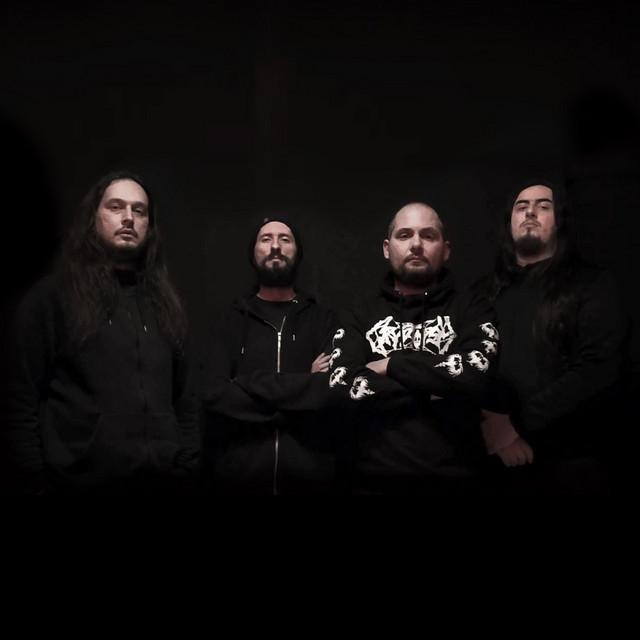
Grinding brutality, in its own unique form, shredding the minds of all alike from the close-minded, and feeble, to the strongest of free thinkers... Embryonic Devourment formed in early 2003 from the ashes of Ye Old Skabbard with founding members Lauren Pike and Luke Boutiette. After 8 months of writing and playing they agreed to add former Ciribus members Johnny Helvete (vocals) and Austin Spence(bass). In November/December 2003 they went into Trident Studios and recorded the brutally acclaimed 5 song EP "Beheaded by Volition", recorded and engineered by Juan Urteaga of the band Vile, which quickly got them signed to Grotesque Music, out of Spain. The release immediately received media attention in worldwide publications such as Pit Magazine, Metal Maniacs, Terrorizer, Metal Pages, Bast Magazine, and several zines and online sites. . The band received airplay on Sirius Satellite Radio, college radio stations, fm stations, and was mentioned in many of their local… newspapers. The release allowed the band to play many notable shows with great bands such as Cannibal Corpse, Obituary, Brutal Truth, Incantation, Sadus, Decrepit Birth, Deeds of Flesh, Severed Savior, Origin, Impaled, Vile, Odious Mortem, Sleep Terror, Cephalic Carnage, Atheist, Exodus, Suffocation and many, many others. The band has since released 3 full lengths and will be releasing their 4th full length “Heresy of the highest Order” in Feb 2022 on Unique Leader Recs.
Viberate is a music analytics platform built for A&Rs, artist managers, labels, booking agents, marketers, and artists.
It helps music professionals track artist growth, analyze audience data, monitor playlist activity, compare artists, follow song performance, and identify opportunities across the music market.
Public artist pages provide a free preview of selected artist data. Paid plans provide access to deeper analytics, historical data, charts, comparisons, playlist tools, exports, alerts, reports, and additional professional features.
Yes. Public Viberate artist pages provide selected artist analytics and music data for free.
Viberate also offers a 7-day free trial of the full platform. A credit card is required to start the trial. The trial includes access to the complete product so users can test deeper artist analytics, historical views, playlist insights, comparisons, charts, exports, alerts, and reporting features before choosing a paid plan.
Viberate provides artist analytics across streaming, playlists, social media, video, radio airplay, songs, and audience markets.
Users can analyze Spotify performance, Spotify and Apple Music playlists, YouTube activity, TikTok and Instagram growth, radio spins, song performance, audience locations, demographics, rankings, and overall artist momentum.
Artist profiles also connect to music charts, similar artists, and comparison tools, helping users benchmark performance and evaluate artists in context.
Viberate updates key artist and track data daily.
For followed artists and tracks, selected data is refreshed multiple times per day. This helps teams monitor playlist changes, streaming movement, audience growth, releases, and campaign performance with more current data.
Update frequency can vary depending on the metric and data source.
Yes. Viberate lets users compare up to five artists side by side across streaming, social media, audience, and engagement metrics.
Users can compare fanbase growth, audience demographics, locations, Spotify performance, social metrics, and other artist data over selected time periods.
Artist comparison can be used for A&R scouting, benchmarking, booking decisions, campaign planning, and evaluating artists with similar audiences or market positions.