Elysia

Metal
Metalcore/Deathcore
 Viberate Rank: 251079
 Viberate Rank: 251079
 Monthly ListenersFollowers
 Subscribers
 Followers
 Followers
 FansTop Spotify Songs
| Track | 7-Day Streams | |
|---|---|---|
1 | 4.51K | |
2 | 2.34K | |
3 | 1.59K | |
4 | 1.20K | |
5 | 1.04K |
Top YouTube VideosMonthly ListenersFeatured in Playlists| Playlist | Followers | |
|---|---|---|
1 | DISGUSTING FILTHY BREAKDOWNS Joker.Devil | 53.01K |
2 |  MYSPACE DEATHCORE: 2002 - 2010 xdeathcorex | 18.09K |
3 |  DEATHCORE Duncan Bentley | 10.73K |
4 |  Eat shit and die luxxxkayy | 7.31K |
5 |  Aggretsuko Metal Soundtrack The Joshing One | 7.03K |
Audience| City | Monthly Listeners | |
|---|---|---|
1 | | 563 |
2 | | 370 |
3 | | 328 |
4 | | 317 |
5 | | 275 |
See full performance history, audience data, playlist activity, rankings, comparisons, and more in Viberate music analytics. Start with a free trial, then continue with a paid plan.
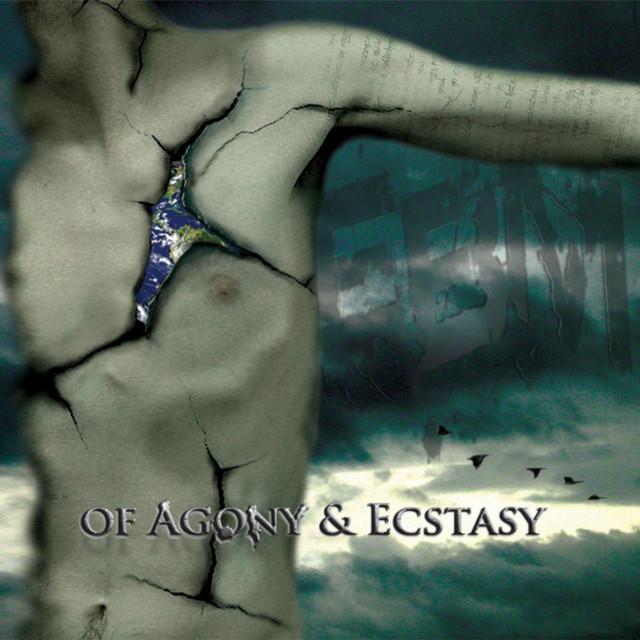
Elysia’s Spotify BioFounded in 2003 in Sacramento, CA. Elysia was started by freshman and sophomores in high school. Their first notable release was titled, “2004 demo” and featured some of their most well known songs like, “Incinerate” and, “Triumph.” A few months later they released a popular single on MySpace named, “Filthy.” Elysia were one of the early creators of the “MySpace deathcore” sound and took influence from Suffocation, Aborted, & Terror. Their lyrics focused on typical death metal themes like murder, horror, and torture. The band eventually moved away from these topics and in 2006 they self-released their first LP, “Masochist,” now a deathcore cult classic. Despite still being in high school the album’s lyrics explored sociopolitical issues such as the influence of Christianity on American politics, the Bush administration and the Iraq war, racism and immigration, and religious bigotry. Elysia later signed to Ferret Records and in 2008 released a 90s metalcore influenced LP titled, “Lion… of Judas.” Recorded at God City studios by Kurt Ballou, Lion of Judas saw the band take a sharp turn away from deathcore towards a more metallic hardcore sound with a strong influence from early Converge. Lyrics were still focused around sociopolitical issues and anti-capitalism, but saw the introduction of topics like hopelessness and depression. Unfortunately the band never really found a new audience after the style-shift and quickly disbanded after the release of Lion of Judas.
Viberate is a music analytics platform built for A&Rs, artist managers, labels, booking agents, marketers, and artists.
It helps music professionals track artist growth, analyze audience data, monitor playlist activity, compare artists, follow song performance, and identify opportunities across the music market.
Public artist pages provide a free preview of selected artist data. Paid plans provide access to deeper analytics, historical data, charts, comparisons, playlist tools, exports, alerts, reports, and additional professional features.
Yes. Public Viberate artist pages provide selected artist analytics and music data for free.
Viberate also offers a 7-day free trial of the full platform. A credit card is required to start the trial. The trial includes access to the complete product so users can test deeper artist analytics, historical views, playlist insights, comparisons, charts, exports, alerts, and reporting features before choosing a paid plan.
Viberate provides artist analytics across streaming, playlists, social media, video, radio airplay, songs, and audience markets.
Users can analyze Spotify performance, Spotify and Apple Music playlists, YouTube activity, TikTok and Instagram growth, radio spins, song performance, audience locations, demographics, rankings, and overall artist momentum.
Artist profiles also connect to music charts, similar artists, and comparison tools, helping users benchmark performance and evaluate artists in context.
Viberate updates key artist and track data daily.
For followed artists and tracks, selected data is refreshed multiple times per day. This helps teams monitor playlist changes, streaming movement, audience growth, releases, and campaign performance with more current data.
Update frequency can vary depending on the metric and data source.
Yes. Viberate lets users compare up to five artists side by side across streaming, social media, audience, and engagement metrics.
Users can compare fanbase growth, audience demographics, locations, Spotify performance, social metrics, and other artist data over selected time periods.
Artist comparison can be used for A&R scouting, benchmarking, booking decisions, campaign planning, and evaluating artists with similar audiences or market positions.