Elvin Spencer

R&B
Soul
 Viberate Rank: 585740
 Viberate Rank: 585740
 Monthly ListenersFollowers
 Subscribers
 Followers
 Followers
 FansTop Spotify Songs
| Track | 7-Day Streams | |
|---|---|---|
1 | 445 | |
2 | 99 | |
3 | 32 | |
4 | 1 |
Top YouTube VideosMonthly ListenersFeatured in Playlists| Playlist | Followers | |
|---|---|---|
1 |  Northern Soul Classics Numero Group Dance | 38.55K |
2 |  Eccentric Motown Eccentric Soul | 29.43K |
3 |  Eccentric Soul Numero Group | 20.02K |
4 |  Winning Time: The Rise of the Lakers Dynasty (HBO) blazepetrov | 14.42K |
5 |  Morning Soul. Musical Metaphors | 13.53K |
Audience| City | Monthly Listeners | |
|---|---|---|
1 |  | 53 |
2 | | 34 |
3 | | 26 |
4 | | 25 |
5 | | 21 |
See full performance history, audience data, playlist activity, rankings, comparisons, and more in Viberate music analytics. Start with a free trial, then continue with a paid plan.
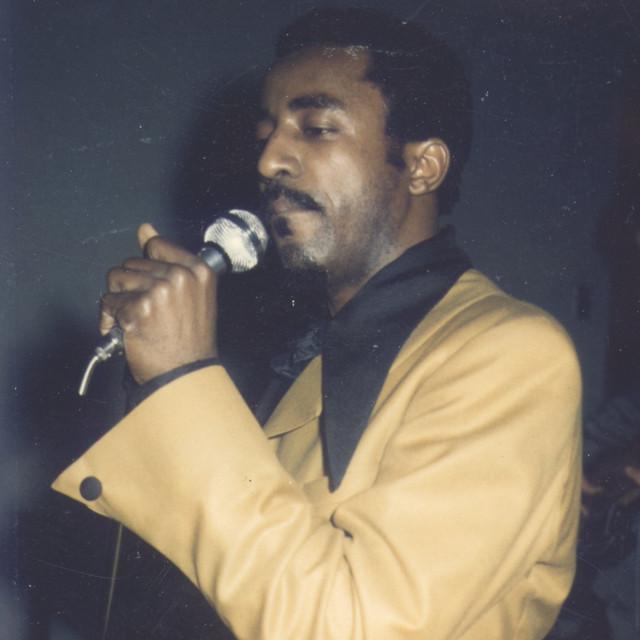
Elvin Spencer’s Spotify BioElvin Spencer spent the bulk of his career as an artist pushing his best composition, the upbeat stomper “Lift This Hurt.” The song, in various versions, ended up being released on five different labels, with Twinight being its second. Spencer moved to Chicago after leaving the military in 1969 and immediately started performing around town. After a months of early sets in empty rooms, he was discovered by arranger extraordinaire David Baldwin who delivered him to Bill Meeks at Al-Teen. This first release of “Lift This Hurt,” issued on Al-Teen’s Winner subsidiary, received little airplay, but it did catch the attention of Syl Johnson, who convinced Twinight to purchase Spencer’s contract. Johnson re-cut the side with the Pieces Of Peace and a very motivated Bedno and Wright unleashed the souped-up single in the spring of 1971 with brand new b-side “You’ve Been Unfair.” Consistent spins on WVON led to talks of a follow up, but the label would close before anything could materialize.… Spencer hooked up with the Chosen Few (Chicago's elusive funk and soul outfit) a year later and re-re-released the song, which saw release on the Bandit and Chosen Few labels. Before the end of the decade, “Lift This Hurt” would be embraced by British Northern soul DJs, and Spencer would put it back in print himself on the E.S. Cozy label.
Viberate is a music analytics platform built for A&Rs, artist managers, labels, booking agents, marketers, and artists.
It helps music professionals track artist growth, analyze audience data, monitor playlist activity, compare artists, follow song performance, and identify opportunities across the music market.
Public artist pages provide a free preview of selected artist data. Paid plans provide access to deeper analytics, historical data, charts, comparisons, playlist tools, exports, alerts, reports, and additional professional features.
Yes. Public Viberate artist pages provide selected artist analytics and music data for free.
Viberate also offers a 7-day free trial of the full platform. A credit card is required to start the trial. The trial includes access to the complete product so users can test deeper artist analytics, historical views, playlist insights, comparisons, charts, exports, alerts, and reporting features before choosing a paid plan.
Viberate provides artist analytics across streaming, playlists, social media, video, radio airplay, songs, and audience markets.
Users can analyze Spotify performance, Spotify and Apple Music playlists, YouTube activity, TikTok and Instagram growth, radio spins, song performance, audience locations, demographics, rankings, and overall artist momentum.
Artist profiles also connect to music charts, similar artists, and comparison tools, helping users benchmark performance and evaluate artists in context.
Viberate updates key artist and track data daily.
For followed artists and tracks, selected data is refreshed multiple times per day. This helps teams monitor playlist changes, streaming movement, audience growth, releases, and campaign performance with more current data.
Update frequency can vary depending on the metric and data source.
Yes. Viberate lets users compare up to five artists side by side across streaming, social media, audience, and engagement metrics.
Users can compare fanbase growth, audience demographics, locations, Spotify performance, social metrics, and other artist data over selected time periods.
Artist comparison can be used for A&R scouting, benchmarking, booking decisions, campaign planning, and evaluating artists with similar audiences or market positions.