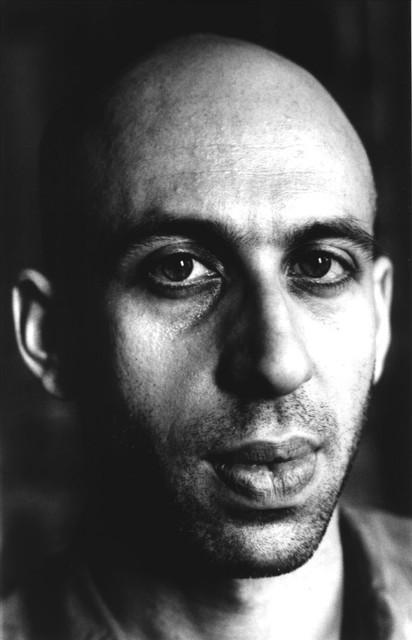
Elliott Sharp

Jazz
Avant-garde Jazz
Free Jazz
 Viberate Rank: 249086
 Viberate Rank: 249086
 Monthly ListenersFollowers
 Subscribers
 Followers
 Followers
 FansTop Spotify Songs
| Track | 7-Day Streams | |
|---|---|---|
1 | 178 | |
2 | 56 | |
3 | 38 | |
4 | 35 | |
5 | 34 |
Top YouTube VideosMonthly ListenersFeatured in Playlists| Playlist | Followers | |
|---|---|---|
1 |  Nature Sounds: Birds Chirping Lullify Music Group | 14.06K |
2 |  Mystery Train with John Kelly rtelyricfm | 5.57K |
3 | NO WAVE New York Marta Forns | 4.18K |
4 |  Stroom 〰 Spring Summer Stroom | 3.59K |
5 |  Alex Ross's The Rest is Noise aidanosu | 2.70K |
Audience| City | Monthly Listeners | |
|---|---|---|
1 |  | 46 |
2 |  | 37 |
3 |  | 29 |
4 | | 27 |
5 | | 27 |
See full performance history, audience data, playlist activity, rankings, comparisons, and more in Viberate music analytics. Start with a free trial, then continue with a paid plan.
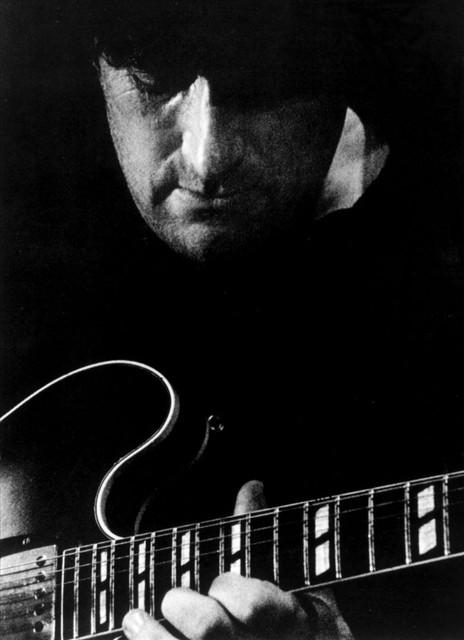
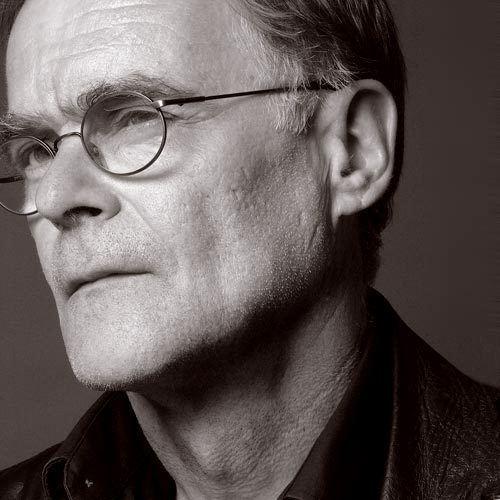
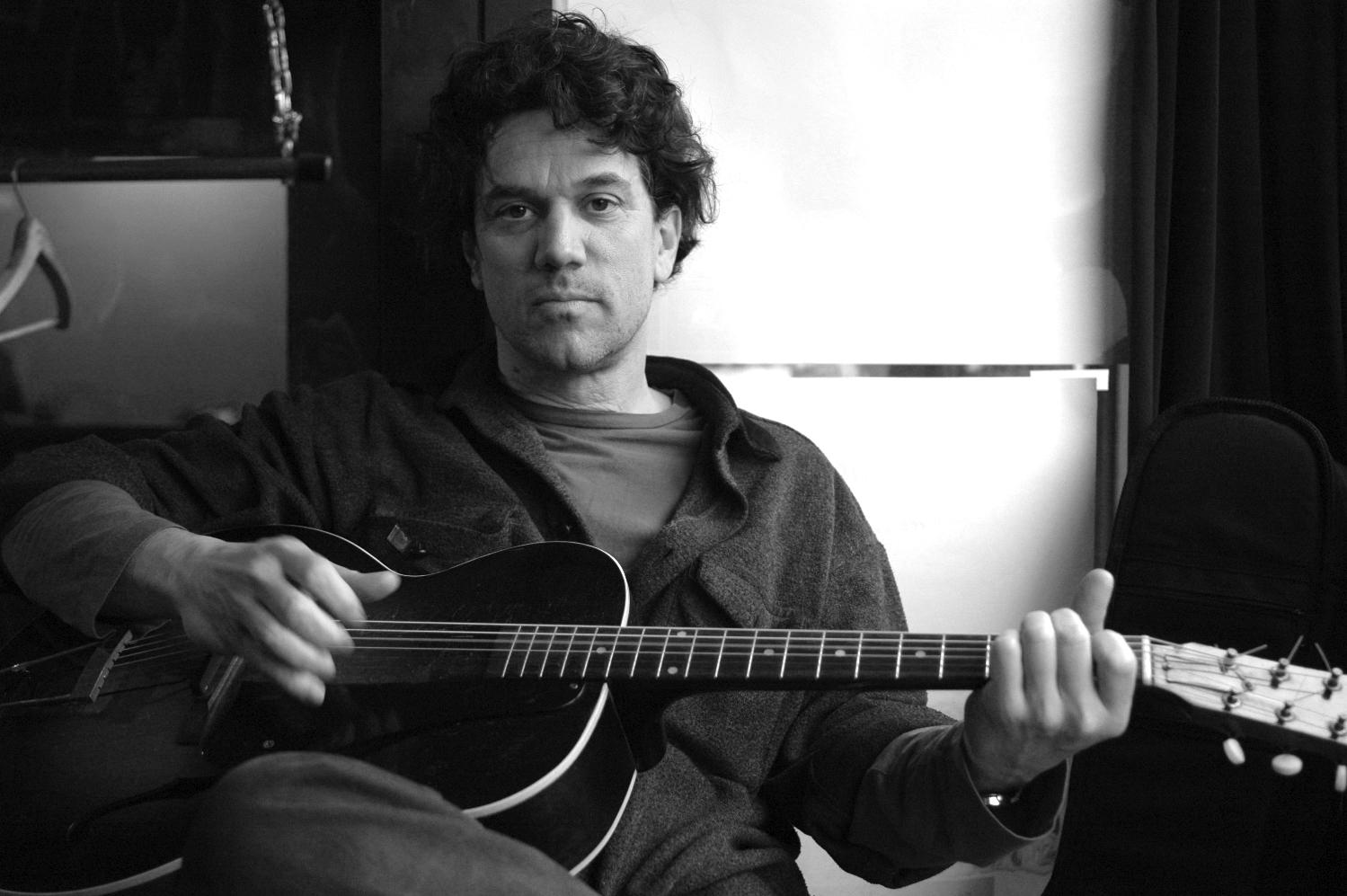
Elliott Sharp’s Spotify BioElliott Sharp began playing the piano at six. According to Sharp, he was performing concerts by age eight. Sharp claims that his parents wanted him to be both a concert pianist and a scientist. He gave up piano, first in favor of the clarinet and then the guitar. His interest in science led him to build his own effects boxes for the instrument. He became intrigued with all types of experimental music, from contemporary classical to free jazz and sophisticated rock. Sharp studied anthropology at Cornell, where he played in a band and took an electronics class with synthesizer inventor Robert Moog. At Bard College he studied with free jazz pioneer Roswell Rudd (future Lounge Lizards John and Evan Lurie were classmates). He went to graduate school in Buffalo, where his academic advisor was Morton Feldman. He moved permanently to New York City in 1979, where he played gigs at various underground performance spaces, including the notorious Mudd Club. In the '80s Sharp became a major figure… on the downtown New York experimental music scene, collaborating with many of it's most prominent players, including John Zorn, Wayne Horvitz, Bobby Previte, and Butch Morris. Over the years, Sharp has led his own bands more often than not. His music draws upon the wide range of his influences, from Coltrane to Zappa to Xennakis and beyond. An improviser at heart, Sharp's compositions tend to be quite loose, allowing plenty of room for the musicians to roam. Among his recent projects is the blues/hardcore/free jazz hybrid Terraplane, with bassist Dave Hofstra, saxophonist Sam Furnace, and drummer Sim. ~ Chris Kelsey, Rovi
Viberate is a music analytics platform built for A&Rs, artist managers, labels, booking agents, marketers, and artists.
It helps music professionals track artist growth, analyze audience data, monitor playlist activity, compare artists, follow song performance, and identify opportunities across the music market.
Public artist pages provide a free preview of selected artist data. Paid plans provide access to deeper analytics, historical data, charts, comparisons, playlist tools, exports, alerts, reports, and additional professional features.
Yes. Public Viberate artist pages provide selected artist analytics and music data for free.
Viberate also offers a 7-day free trial of the full platform. A credit card is required to start the trial. The trial includes access to the complete product so users can test deeper artist analytics, historical views, playlist insights, comparisons, charts, exports, alerts, and reporting features before choosing a paid plan.
Viberate provides artist analytics across streaming, playlists, social media, video, radio airplay, songs, and audience markets.
Users can analyze Spotify performance, Spotify and Apple Music playlists, YouTube activity, TikTok and Instagram growth, radio spins, song performance, audience locations, demographics, rankings, and overall artist momentum.
Artist profiles also connect to music charts, similar artists, and comparison tools, helping users benchmark performance and evaluate artists in context.
Viberate updates key artist and track data daily.
For followed artists and tracks, selected data is refreshed multiple times per day. This helps teams monitor playlist changes, streaming movement, audience growth, releases, and campaign performance with more current data.
Update frequency can vary depending on the metric and data source.
Yes. Viberate lets users compare up to five artists side by side across streaming, social media, audience, and engagement metrics.
Users can compare fanbase growth, audience demographics, locations, Spotify performance, social metrics, and other artist data over selected time periods.
Artist comparison can be used for A&R scouting, benchmarking, booking decisions, campaign planning, and evaluating artists with similar audiences or market positions.