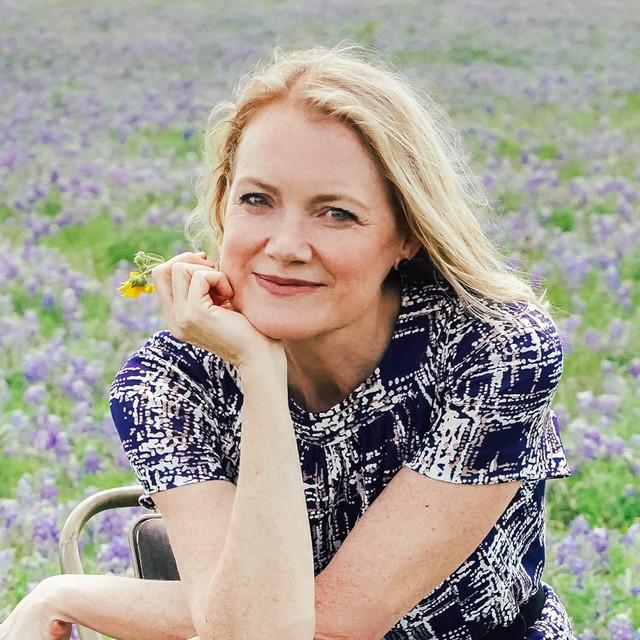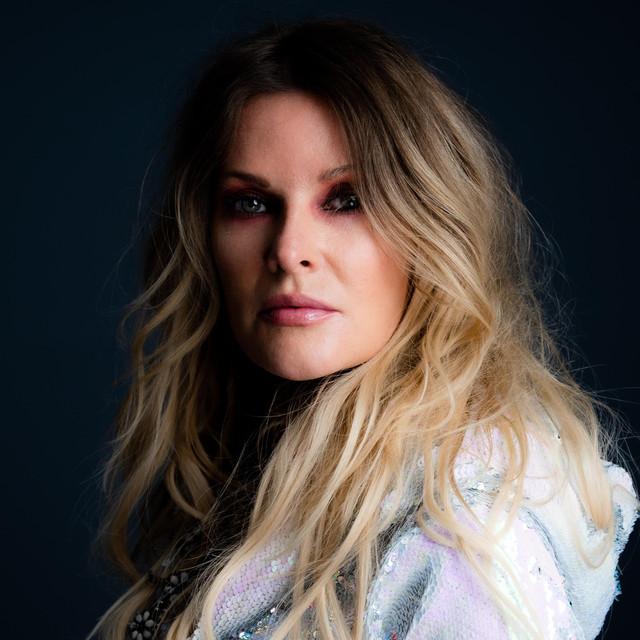
Elizabeth Cook

Country
Americana/Alt Country
 Viberate Rank: 86842
 Viberate Rank: 86842
 Monthly ListenersFollowers
 Subscribers
 Followers
 Followers
 FansTop Spotify Songs
| Track | 7-Day Streams | |
|---|---|---|
1 | 3.45K | |
2 | 2.19K | |
3 | 2.14K | |
4 | 1.82K | |
5 | 658 |
Top YouTube Videos| Video | 7-Day Views | |
|---|---|---|
1 | 320 | |
2 | 320 | |
3 | 304 | |
4 | 271 | |
5 | 167 |
Monthly ListenersFeatured in Playlists| Playlist | Followers | |
|---|---|---|
1 |  Americana Icons Spotify | 241.64K |
2 |  Alt Country Classics Spotify | 117.59K |
3 | Country music Ewok | 22.97K |
4 | Indie PlaylistJunkie | 20.22K |
5 | Old Western, Gothic Country, Indie Bluegrass, Appalachian/ Mountain Country gabbybrown_grb | 15.12K |
Audience| City | Monthly Listeners | |
|---|---|---|
1 | | 524 |
2 | | 499 |
3 | | 430 |
4 | | 387 |
5 | | 380 |
See full performance history, audience data, playlist activity, rankings, comparisons, and more in Viberate music analytics. Start with a free trial, then continue with a paid plan.
Elizabeth Cook’s Spotify BioCountry singer/songwriter Elizabeth Cook made her Grand Ole Opry debut on March 17, 2000, appearing more than 400 times thereafter, the most ever by a non-member; a remarkable achievement considering that, at the time, she was an indie artist without a properly released album. But the excitement generated by her strong, crystalline singing voice -- as comfortable with bluegrass, blues, and folk as it was country -- and songwriting served to draw comparisons to respected artists such as Kelly Willis and Dolly Parton. Her proper debut was 2002's Hey Y'all, but it flopped. 2007's Rodney Crowell-produced Balls garnered attention from alt-country and Americana fans in the U.K. and Europe, and charted in the U.S. After 2010's Don Was-produced Welder, Cook endured a prolonged season in hell: She got divorced, her farm burned, and she lost six family members including both parents and a brother. Stressed and exhausted, she canceled an upcoming tour and entered rehab, although substance abuse… was not the reason. She emerged with 2012's Gospel Plow EP that got her an appearance on The Late Show with David Letterman. Her electrifying performance and her ability to make him laugh got massive media notice, as did a radio show on Sirius XM: Elizabeth Cook's Apron Strings. After a four-year break from recording, she re-emerged in 2016 with the charting Exodus of Venus and later with 2020's powerhouse Aftermath, both of which that flirted with indie rock as well as country.
Cook was born in Wildwood, Florida. Her West Virginia-born mother played guitar and mandolin and sang on local radio shows. Her father, a Georgia native, also performed country music and served jail time for running moonshine. Upon his release, he and Elizabeth's mother played in local bands together, eventually marrying. Born in 1972, Elizabeth joined them on-stage when she was four. She formed her first band at nine. Cook graduated from Georgia Southern in 1996 with degrees in accounting and computer information systems. She moved to Nashville during her early twenties, having landed a job with global professional services firm PricewaterhouseCoopers. Still focused on music, she got a publishing deal. She cut demos which were recorded between 1997 and 2000 and comprised her self-titled, independently released debut, The Blue Album, which showcased her formidable songwriting ability and featured such well-known Music City musicians as Tim Carroll (who became her husband), Kenny Vaughan, and Rick Schell. Atlantic Records signed Cook soon after its release, and she began working on her major-label debut. Hey, Y'All appeared in summer 2002 from Warner Bros. Constant restructuring at the label meant Hey Y'All didn't get the promotion it needed and Cook left the imprint and released 2005's This Side of the Moon on Hog Country Records. Balls appeared in 2007 from 31 Tigers, followed by Welder in 2010, featuring guest spots from Dwight Yoakam, Rodney Crowell, and Buddy Miller, also on 31 Tigers. Over the next five years, in addition to touring and becoming a staple at the Grand Ole Opry, hosting her Sirius XM radio program Apron Strings, and touring, Cook went through a series of transformative personal changes. She lost a parent, got divorced, and saw a sibling through rehabilitation after a long bout with drug addiction. When she re-entered the studio, it was with co-producer, guitarist, and boyfriend Dexter Green. After self-financing an album, she undertook a PledgeMusic campaign to assist in getting it released. Exodus of Venus came out in June 2016 through Thirty Tigers. Cook claimed in an interview that she was influenced by female rockers such as Fiona Apple and Tori Amos in writing the set. The meld of Cook's brand of Americana and indie rock translated to the charts. It peaked at number 23 on Top Country Albums, number 15 on Americana/Folk Albums, and five on Heatseekers. Cook supported it with her most successful tour to date. In December of 2019, the country music television network Circle announced that Cook would host her own show called Upstream, where she would interview musicians at a different fishing hole for each episode. The first episode featured Shooter Jennings and Cam. The following year saw Cook issue her seventh full-length effort, Aftermath. Produced by Butch Walker (Green Day, Weezer, Taylor Swift), the 12-track set looked to themes of survival and resilience for inspiration, and like its predecessor, stood at the nexus of rock, pop, and country. ~ Erik Hage & Thom Jurek, Rovi
Viberate is a music analytics platform built for A&Rs, artist managers, labels, booking agents, marketers, and artists.
It helps music professionals track artist growth, analyze audience data, monitor playlist activity, compare artists, follow song performance, and identify opportunities across the music market.
Public artist pages provide a free preview of selected artist data. Paid plans provide access to deeper analytics, historical data, charts, comparisons, playlist tools, exports, alerts, reports, and additional professional features.
Yes. Public Viberate artist pages provide selected artist analytics and music data for free.
Viberate also offers a 7-day free trial of the full platform. A credit card is required to start the trial. The trial includes access to the complete product so users can test deeper artist analytics, historical views, playlist insights, comparisons, charts, exports, alerts, and reporting features before choosing a paid plan.
Viberate provides artist analytics across streaming, playlists, social media, video, radio airplay, songs, and audience markets.
Users can analyze Spotify performance, Spotify and Apple Music playlists, YouTube activity, TikTok and Instagram growth, radio spins, song performance, audience locations, demographics, rankings, and overall artist momentum.
Artist profiles also connect to music charts, similar artists, and comparison tools, helping users benchmark performance and evaluate artists in context.
Viberate updates key artist and track data daily.
For followed artists and tracks, selected data is refreshed multiple times per day. This helps teams monitor playlist changes, streaming movement, audience growth, releases, and campaign performance with more current data.
Update frequency can vary depending on the metric and data source.
Yes. Viberate lets users compare up to five artists side by side across streaming, social media, audience, and engagement metrics.
Users can compare fanbase growth, audience demographics, locations, Spotify performance, social metrics, and other artist data over selected time periods.
Artist comparison can be used for A&R scouting, benchmarking, booking decisions, campaign planning, and evaluating artists with similar audiences or market positions.