Elijah Connor

Pop
Mainstream Pop
Contemporary R&B
Trap
 Viberate Rank: 55676
 Viberate Rank: 55676
 Monthly ListenersFollowers
 Subscribers
 Followers
 Followers
 FansTop Spotify Songs
| Track | 7-Day Streams | |
|---|---|---|
1 | 2.56K | |
2 | 2.56K | |
3 | 216 | |
4 | 163 | |
5 | 110 |
Top YouTube VideosMonthly ListenersFeatured in Playlists| Playlist | Followers | |
|---|---|---|
1 |  White girls music💄💖👧 Janegacikk🐢 | 350.80K |
2 |  best of lana, laufey, bea, faye, clairo, and mitski sof1air | 35.69K |
3 |  study motivation leti :) | 31.29K |
4 |  velvet - R&B Renforshort | 24.56K |
5 |  sad boys vibes 2026 // sad songs Revenge | 23.02K |
Audience| City | Monthly Listeners | |
|---|---|---|
1 |  | 272 |
2 | | 208 |
3 | | 204 |
4 | | 194 |
5 | | 183 |
See full performance history, audience data, playlist activity, rankings, comparisons, and more in Viberate music analytics. Start with a free trial, then continue with a paid plan.
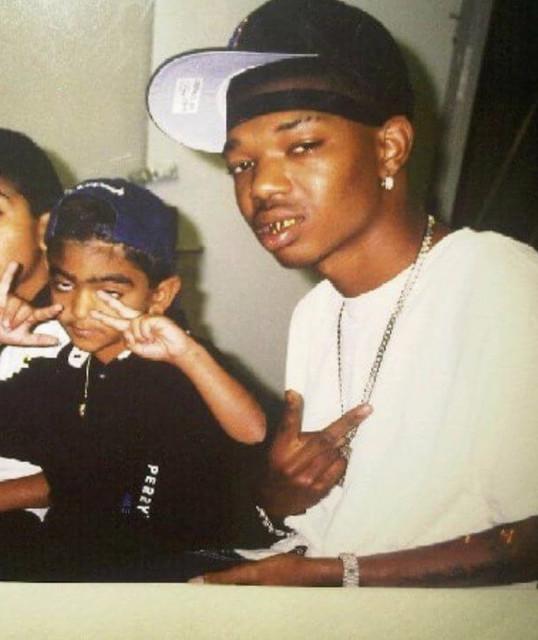
Elijah Connor’s Spotify BioElijah Connor is a rising voice in contemporary R&B, blending emotional depth with disciplined, soulful artistry. A Detroit native and the son of a preacher, his sound is rooted in gospel tradition while shaped by modern R&B sensibilities, giving his music a balance of vulnerability, restraint, and melodic clarity. As the younger cousin of Prince Connor carries a legacy of musical excellence, while carving a voice and vision distinctly his own.
Connor first gained national attention on season two of Fox’s The Four: Battle for Stardom, where his performance of Musiq Soulchild's “Love” introduced him to a global audience. A tense, unbroken moment with Diddy quickly became a viral cultural flashpoint, generating hundreds of millions of impressions and cementing Connor as one of the most recognizable breakout artists of this era. Since then, he has continued to build momentum onstage, sharing stages with artists from the worlds of The Weeknd, Frank Ocean, DJ Khaled, H.E.R., SWV and… today’s leading R&B voices. In late 2024, his single “Worth It” climbed the Billboard Adult R&B Airplay chart, peaking at No. 23 and holding for more than ten weeks. Produced by Grammy Award winner OG Parker.
Connor is now preparing the release of his highly anticipated debut EP, The Book of Eli, slated for Spring 2026. With a growing global fan base and a catalog focused on longevity over moments, Elijah Connor continues to carve out his own lane, rooted in emotion and driven by intention.
Viberate is a music analytics platform built for A&Rs, artist managers, labels, booking agents, marketers, and artists.
It helps music professionals track artist growth, analyze audience data, monitor playlist activity, compare artists, follow song performance, and identify opportunities across the music market.
Public artist pages provide a free preview of selected artist data. Paid plans provide access to deeper analytics, historical data, charts, comparisons, playlist tools, exports, alerts, reports, and additional professional features.
Yes. Public Viberate artist pages provide selected artist analytics and music data for free.
Viberate also offers a 7-day free trial of the full platform. A credit card is required to start the trial. The trial includes access to the complete product so users can test deeper artist analytics, historical views, playlist insights, comparisons, charts, exports, alerts, and reporting features before choosing a paid plan.
Viberate provides artist analytics across streaming, playlists, social media, video, radio airplay, songs, and audience markets.
Users can analyze Spotify performance, Spotify and Apple Music playlists, YouTube activity, TikTok and Instagram growth, radio spins, song performance, audience locations, demographics, rankings, and overall artist momentum.
Artist profiles also connect to music charts, similar artists, and comparison tools, helping users benchmark performance and evaluate artists in context.
Viberate updates key artist and track data daily.
For followed artists and tracks, selected data is refreshed multiple times per day. This helps teams monitor playlist changes, streaming movement, audience growth, releases, and campaign performance with more current data.
Update frequency can vary depending on the metric and data source.
Yes. Viberate lets users compare up to five artists side by side across streaming, social media, audience, and engagement metrics.
Users can compare fanbase growth, audience demographics, locations, Spotify performance, social metrics, and other artist data over selected time periods.
Artist comparison can be used for A&R scouting, benchmarking, booking decisions, campaign planning, and evaluating artists with similar audiences or market positions.