Electric Religious


Rock
Pop Rock
Indie Rock
 Viberate Rank: 455754
 Viberate Rank: 455754
 Monthly ListenersFollowers
 Subscribers
 Followers
 Followers
 FansTop Spotify Songs
| Track | 7-Day Streams | |
|---|---|---|
1 | 25 | |
2 | 20 | |
3 | 9 | |
4 | 5 | |
5 | 5 |
Top YouTube Videos| Video | 7-Day Views | |
|---|---|---|
1 | 18 | |
2 | 5 | |
3 | 4 | |
4 | 3 | |
5 | 2 |
Monthly ListenersFeatured in Playlists| Playlist | Followers | |
|---|---|---|
1 |  #Indigenous Nadya Kwandibens | 2.28K |
2 |  Endorphonics Endorphonics | 1.34K |
3 |  The Sound of Edmonton Indie The Sounds of Spotify | 509 |
4 |  The Music of Edmonton Explore Edmonton | 456 |
5 |  No.One.Listens No One | 416 |
Audience| City | Monthly Listeners | |
|---|---|---|
1 | | 24 |
2 | | 23 |
3 | | 8 |
4 | | 5 |
5 | | 4 |
See full performance history, audience data, playlist activity, rankings, comparisons, and more in Viberate music analytics. Start with a free trial, then continue with a paid plan.
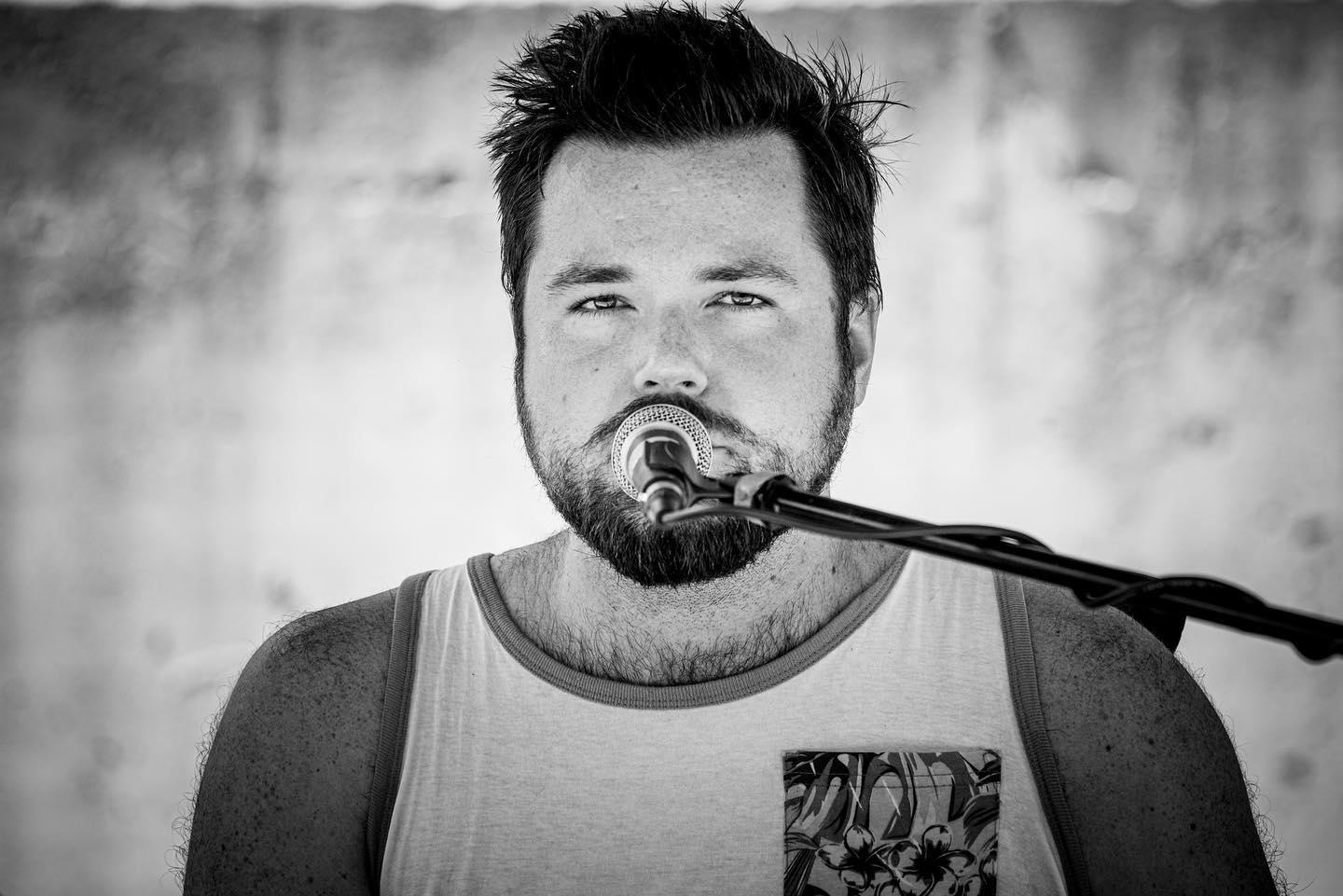
Electric Religious’ Spotify BioElectric Religious is the project of Treaty-6 based Métis singer-songwriter, Brandon Baker, whose guitar-driven music has been described as “bursting with inspiration, insight, and hope.” Deeply influenced by the psychedelic sounds of Jimi Hendrix, Baker took his moniker from a Hendrix quote: “When I get up on stage, that’s my whole life. That’s my religion. My music is electric church music, if by ‘church’ you mean ‘religion’, I am electric religion.” The single, “Hard Skin,” was among the CBC Searchlight Top 100 in 2022, and Tragic Lover was selected among CKUA Radio’s “Top 100 Albums of 2021," on the heels of his nomination for Métis Artist of the Year at the 2021 Summer Solstice Indigenous Music Awards. “One More Night” rose to #1 on the Indigenous Music Countdown and “Catherine” hit #1 on Ch. 165 Indigenous People’s Radio. Another previous single "Revolution,” also made the CBC Searchlight Top 100 in 2019.
Viberate is a music analytics platform built for A&Rs, artist managers, labels, booking agents, marketers, and artists.
It helps music professionals track artist growth, analyze audience data, monitor playlist activity, compare artists, follow song performance, and identify opportunities across the music market.
Public artist pages provide a free preview of selected artist data. Paid plans provide access to deeper analytics, historical data, charts, comparisons, playlist tools, exports, alerts, reports, and additional professional features.
Yes. Public Viberate artist pages provide selected artist analytics and music data for free.
Viberate also offers a 7-day free trial of the full platform. A credit card is required to start the trial. The trial includes access to the complete product so users can test deeper artist analytics, historical views, playlist insights, comparisons, charts, exports, alerts, and reporting features before choosing a paid plan.
Viberate provides artist analytics across streaming, playlists, social media, video, radio airplay, songs, and audience markets.
Users can analyze Spotify performance, Spotify and Apple Music playlists, YouTube activity, TikTok and Instagram growth, radio spins, song performance, audience locations, demographics, rankings, and overall artist momentum.
Artist profiles also connect to music charts, similar artists, and comparison tools, helping users benchmark performance and evaluate artists in context.
Viberate updates key artist and track data daily.
For followed artists and tracks, selected data is refreshed multiple times per day. This helps teams monitor playlist changes, streaming movement, audience growth, releases, and campaign performance with more current data.
Update frequency can vary depending on the metric and data source.
Yes. Viberate lets users compare up to five artists side by side across streaming, social media, audience, and engagement metrics.
Users can compare fanbase growth, audience demographics, locations, Spotify performance, social metrics, and other artist data over selected time periods.
Artist comparison can be used for A&R scouting, benchmarking, booking decisions, campaign planning, and evaluating artists with similar audiences or market positions.