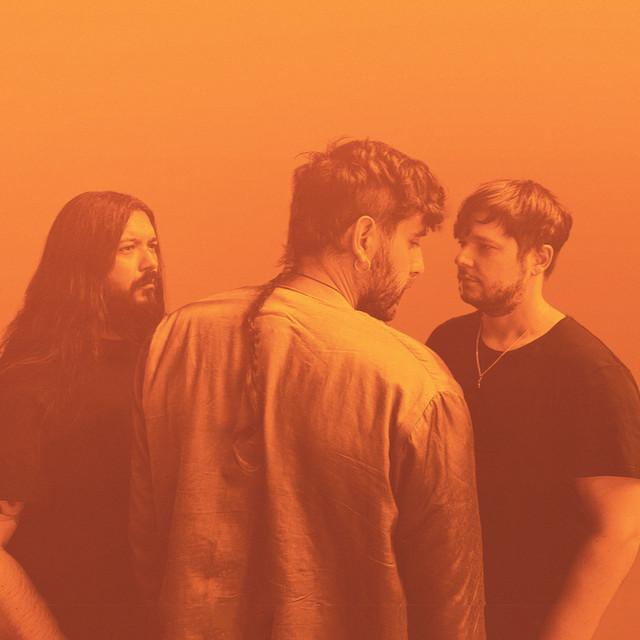
Electric Litany

Rock
Alternative Rock
Post Rock
Pop Rock
 Viberate Rank: 240392
 Viberate Rank: 240392
 Monthly ListenersFollowers
 Subscribers
 Followers
 Followers
 FansTop Spotify Songs
| Track | 7-Day Streams | |
|---|---|---|
1 | 441 | |
2 | 352 | |
3 | 268 | |
4 | 176 | |
5 | 138 |
Top YouTube VideosMonthly ListenersFeatured in Playlists| Playlist | Followers | |
|---|---|---|
1 | Psychedelic Pop Tobias He | 9.28K |
2 |  Best Afro House 2026 | Club with us | Hï Ibiza 🏖️🍹 ORISHAS | 3.04K |
3 |  Sorta Psychedelic Pink Cliffs | 2.67K |
4 |  Saturday night 🌃 Tsantalis Chris | 2.55K |
5 |  Night Drive | Modern Synthpop New Wave FFANGS | 2.54K |
Audience| City | Monthly Listeners | |
|---|---|---|
1 |  | 650 |
2 | | 199 |
3 |  | 73 |
4 |  | 71 |
5 |  | 45 |
See full performance history, audience data, playlist activity, rankings, comparisons, and more in Viberate music analytics. Start with a free trial, then continue with a paid plan.
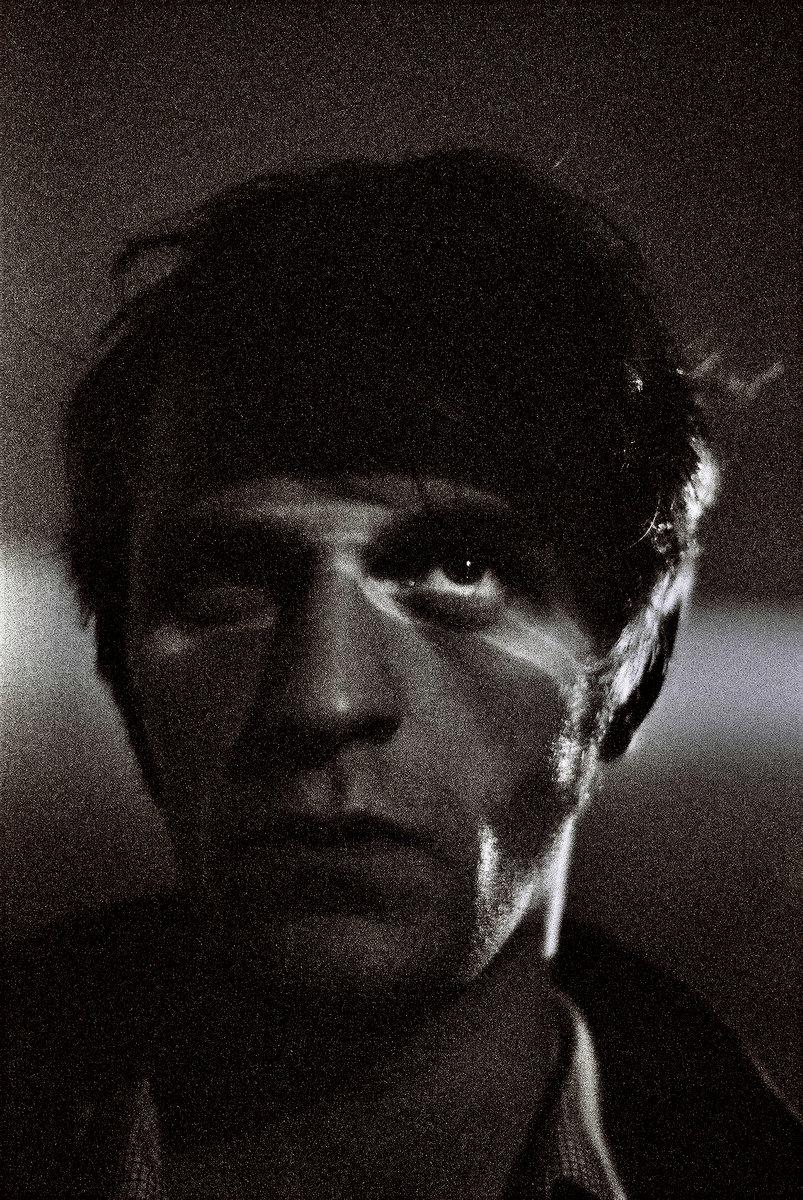
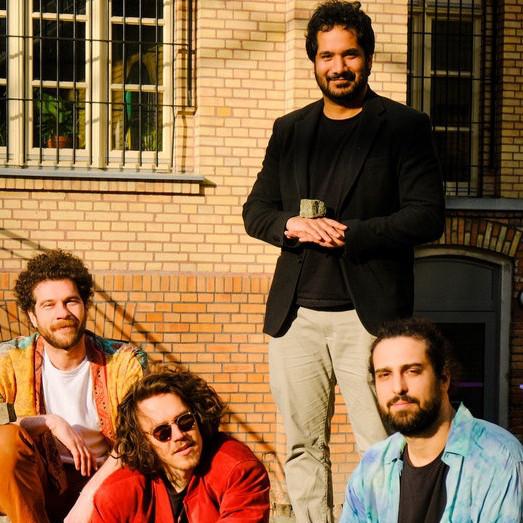
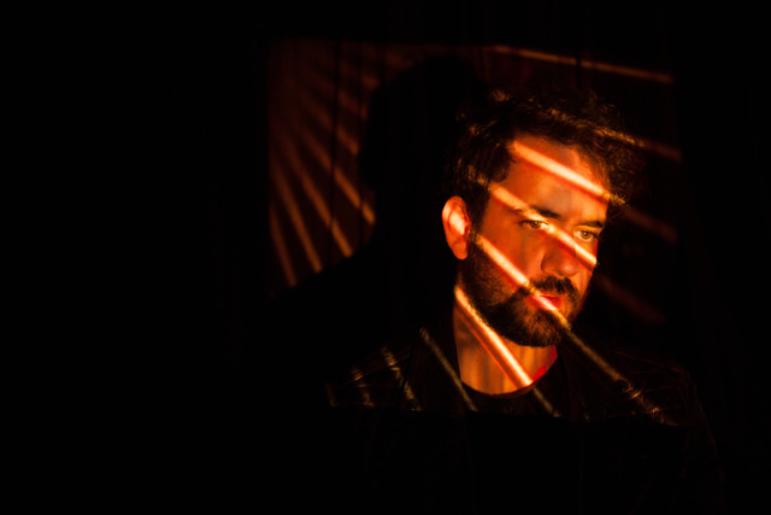
Electric Litany’s Spotify BioElectric Litany emerged from London in 2007, founded by Alexandros Miaris and Richard Simic. In their early years the band lived and rehearsed in abandoned East London buildings, eventually recording their debut *How to Be a Child and Win the War* (2010, Inner Ear) in a deserted church with producer George Botis. Its spectral soundscapes and stark intimacy earned critical acclaim and established Electric Litany as one of the most intriguing voices of the underground.
Subsequent releases — *Enduring Days You Will Overcome* (2014, co-produced with Alan Parsons), Love EP (2016), Under a Common Sky (2019), and Sonder EP (2022) — expanded their sound into a singular blend of post-rock, dream pop, and electronic minimalism.
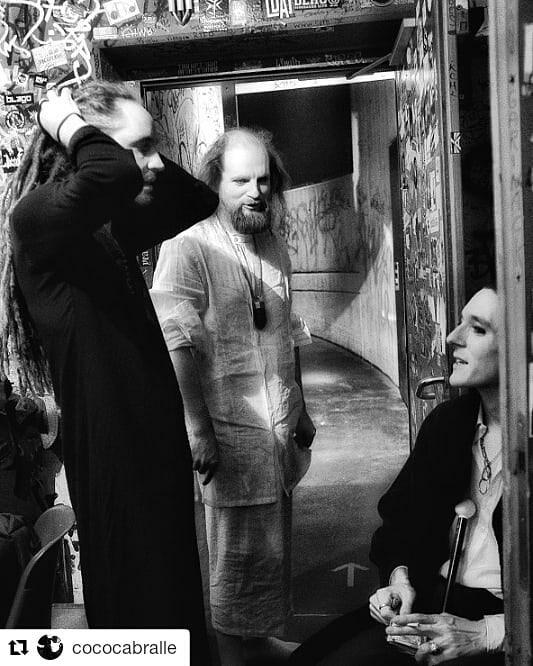
Their reputation has been amplified by powerful live shows across Europe and the U.S., including Rockwave Festival alongside The Prodigy and Interpol, and a 2024 performance on the main stage at Burning Man in Nevada with Echonomist.
The band’s visual work has also… received recognition, with videos for Sealight and Refugee winning awards at Aesthetica Film Festival, ECU Film Festival, and Motion Plus Design Shibuya Video Contest in Tokyo.
In 2024, Electric Litany returned to the road ahead of their forthcoming fourth album *Desires* (October 2025) — their most ambitious and emotionally resonant work to date.
**Members:** Alexandros Miaris · Richard Simic · George Alevizo · Jason Tsontilis · George Botis
Viberate is a music analytics platform built for A&Rs, artist managers, labels, booking agents, marketers, and artists.
It helps music professionals track artist growth, analyze audience data, monitor playlist activity, compare artists, follow song performance, and identify opportunities across the music market.
Public artist pages provide a free preview of selected artist data. Paid plans provide access to deeper analytics, historical data, charts, comparisons, playlist tools, exports, alerts, reports, and additional professional features.
Yes. Public Viberate artist pages provide selected artist analytics and music data for free.
Viberate also offers a 7-day free trial of the full platform. A credit card is required to start the trial. The trial includes access to the complete product so users can test deeper artist analytics, historical views, playlist insights, comparisons, charts, exports, alerts, and reporting features before choosing a paid plan.
Viberate provides artist analytics across streaming, playlists, social media, video, radio airplay, songs, and audience markets.
Users can analyze Spotify performance, Spotify and Apple Music playlists, YouTube activity, TikTok and Instagram growth, radio spins, song performance, audience locations, demographics, rankings, and overall artist momentum.
Artist profiles also connect to music charts, similar artists, and comparison tools, helping users benchmark performance and evaluate artists in context.
Viberate updates key artist and track data daily.
For followed artists and tracks, selected data is refreshed multiple times per day. This helps teams monitor playlist changes, streaming movement, audience growth, releases, and campaign performance with more current data.
Update frequency can vary depending on the metric and data source.
Yes. Viberate lets users compare up to five artists side by side across streaming, social media, audience, and engagement metrics.
Users can compare fanbase growth, audience demographics, locations, Spotify performance, social metrics, and other artist data over selected time periods.
Artist comparison can be used for A&R scouting, benchmarking, booking decisions, campaign planning, and evaluating artists with similar audiences or market positions.