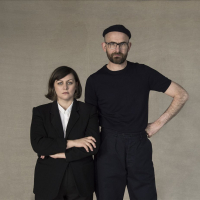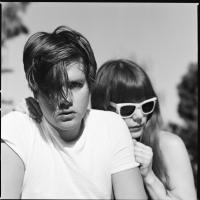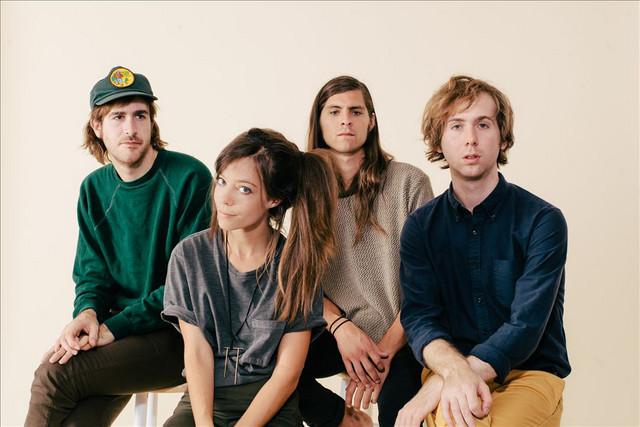
Eleanor Friedberger

Rock
Indie Rock
 Viberate Rank: 166704
 Viberate Rank: 166704
 Monthly ListenersFollowers
 Subscribers
 Followers
 Followers
 FansTop Spotify Songs
| Track | 7-Day Streams | |
|---|---|---|
1 | 1.31K | |
2 | 634 | |
3 | 491 | |
4 | 202 | |
5 | 173 |
Top YouTube VideosMonthly ListenersFeatured in Playlists| Playlist | Followers | |
|---|---|---|
1 | Top 100 Tracks of 2011 Pitchfork | 35.80K |
2 |  NPR All Songs Considered - The Bob Boilen years (unofficial) Fri Tsch | 30.02K |
3 |  Broad City Soundtrack Comedy Central | 26.70K |
4 | Like a Version + Awesome Covers Shane Stoeckel | 19.90K |
5 | The Ultimate Cover Song Playlist Anna OBrien | 19.48K |
Audience| City | Monthly Listeners | |
|---|---|---|
1 |  | 152 |
2 | | 137 |
3 | | 120 |
4 | | 111 |
5 | | 106 |
See full performance history, audience data, playlist activity, rankings, comparisons, and more in Viberate music analytics. Start with a free trial, then continue with a paid plan.
Eleanor Friedberger’s Spotify BioFirst known as half of the kaleidoscopic brother-sister duo the Fiery Furnaces during the 2000s, singer/songwriter and multi-instrumentalist Eleanor Friedberger established herself as a witty and sensitive solo artist once that band went on hiatus in 2011. Her own albums were nearly as eclectic as the Furnaces', ranging from the classic rock and folk-inspired warmth of 2011's Last Summer and 2016's New View to the goth-pop homages of 2018's Rebound.
Friedberger grew up in a musically inclined family in Oak Park, Illinois: her grandmother was a musician and choir director at a Greek Orthodox church; her mother played piano and guitar and sang; and throughout school, her brother Matthew played standup bass. Meanwhile, Friedberger's taste in music spanned classic rockers such as the Rolling Stones and Led Zeppelin as well as '90s indie luminaries like Pavement, Royal Trux, and Guided by Voices. Following her graduation from the University of Texas in Austin and a year she spent in England,… Eleanor and Matthew Friedberger formed the Fiery Furnaces, who released eight albums -- including 2004's breakthrough Blueberry Boat -- in as many years.
The Fiery Furnaces went on hiatus in 2011, the same year Friedberger released her Merge Records debut album, Last Summer, which featured a playful but more straightforward sound than her band's work. For 2013's Personal Record, she crafted a set of songs that paid homage to the introspective pop of the '70s. She returned late in 2015 with the single "False Alphabet City," a companion piece to visual artist Sara Magenheimer's film False Alphabets that was also Friedberger's Frenchkiss Records debut. Her third full-length, New View, was recorded with her backing band Icewater following a move to upstate New York. It arrived in January 2016. After touring for most of that year, Friedberger spent some time in Greece exploring her heritage and the local music scene. A late-night Greek goth nightclub, as well as the writing of poet Edna St. Vincent Millay, inspired the literate electronic pop of 2018's Rebound. ~ Heather Phares, Rovi
Viberate is a music analytics platform built for A&Rs, artist managers, labels, booking agents, marketers, and artists.
It helps music professionals track artist growth, analyze audience data, monitor playlist activity, compare artists, follow song performance, and identify opportunities across the music market.
Public artist pages provide a free preview of selected artist data. Paid plans provide access to deeper analytics, historical data, charts, comparisons, playlist tools, exports, alerts, reports, and additional professional features.
Yes. Public Viberate artist pages provide selected artist analytics and music data for free.
Viberate also offers a 7-day free trial of the full platform. A credit card is required to start the trial. The trial includes access to the complete product so users can test deeper artist analytics, historical views, playlist insights, comparisons, charts, exports, alerts, and reporting features before choosing a paid plan.
Viberate provides artist analytics across streaming, playlists, social media, video, radio airplay, songs, and audience markets.
Users can analyze Spotify performance, Spotify and Apple Music playlists, YouTube activity, TikTok and Instagram growth, radio spins, song performance, audience locations, demographics, rankings, and overall artist momentum.
Artist profiles also connect to music charts, similar artists, and comparison tools, helping users benchmark performance and evaluate artists in context.
Viberate updates key artist and track data daily.
For followed artists and tracks, selected data is refreshed multiple times per day. This helps teams monitor playlist changes, streaming movement, audience growth, releases, and campaign performance with more current data.
Update frequency can vary depending on the metric and data source.
Yes. Viberate lets users compare up to five artists side by side across streaming, social media, audience, and engagement metrics.
Users can compare fanbase growth, audience demographics, locations, Spotify performance, social metrics, and other artist data over selected time periods.
Artist comparison can be used for A&R scouting, benchmarking, booking decisions, campaign planning, and evaluating artists with similar audiences or market positions.