El Zombie

Punk
Ska Punk
Reggae Fusion
 Viberate Rank: 493773
 Viberate Rank: 493773
 Monthly ListenersFollowers
 Subscribers
 Followers
 Followers
 FansTop Spotify Songs
| Track | 7-Day Streams | |
|---|---|---|
1 | 31 | |
2 | 22 | |
3 | 9 | |
4 | 5 | |
5 | 3 |
Top YouTube VideosMonthly ListenersFeatured in Playlists| Playlist | Followers | |
|---|---|---|
1 |  Ska Argentino Kangrejoz Records | 1.27K |
Audience| City | Monthly Listeners | |
|---|---|---|
1 |  | 9 |
2 | | 5 |
3 |  | 4 |
4 |  | 3 |
5 | | 3 |
See full performance history, audience data, playlist activity, rankings, comparisons, and more in Viberate music analytics. Start with a free trial, then continue with a paid plan.
El Zombie’s Spotify BioEl Zombie
Musicalmente identificada con el Ska en su vertiente 2-Tone, la banda es cultora de la fusión de géneros, entre los que se destacan el Swing rock, Reggae y Punk rock; buscando siempre la autenticidad, la variedad, la calidad y la energía en sus presentaciones en vivo.
Cuenta con tres álbumes: el irónico “Greatest hits” (2008) y el potente y variado “Vinilo” (2012) y el multipremiado Amanece (3 de noviembre de 2015)
El Zombie se formó a fines del 2003 en Victoria, en la zona norte del Gran Buenos Aires.
En 2005 participaron de la gira Rally MTV, auspiciada por dicho canal televisivo de música, y que se desarrolló a lo largo del vecino país de Brasil.
Se trata de una banda sumamente activa, que gusta de presentarse a menudo y de realizar numerosos viajes. Desde su fundación hasta la actualidad vienen recorriendo extensamente su país de origen, siendo reconocidos en importantes plazas de Argentina.
En 2010, 2011, 2013, 2014 y 2015 realizaron sendas giras por México, participando de… reconocidos eventos como el Festival Cervantino de Guanajuato, el Tianguis Cultural del Chopo- XXXV aniversario- y el Vive Latino 2015. Quedando fascinados con la riqueza cultural del país y felices por la excelente recepción de su música entre los mexicanos.
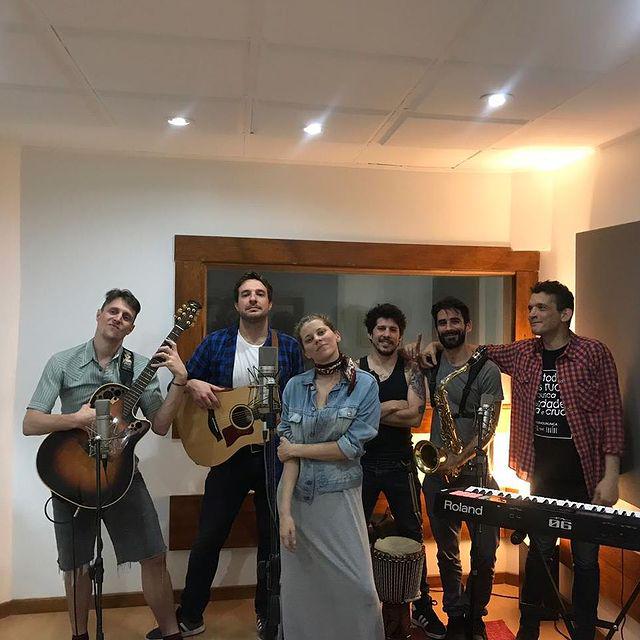
Su formación incluye a Agustina Palpebra (voz), Guillermo Vega (guitarra y voz), Mauricio Raggio (bajo), Pablo Kemmler (batería), Mauricio Habib (saxo tenor), Esteban Carre (percusión) y Gonzalo Castillo (guitarra).
Viberate is a music analytics platform built for A&Rs, artist managers, labels, booking agents, marketers, and artists.
It helps music professionals track artist growth, analyze audience data, monitor playlist activity, compare artists, follow song performance, and identify opportunities across the music market.
Public artist pages provide a free preview of selected artist data. Paid plans provide access to deeper analytics, historical data, charts, comparisons, playlist tools, exports, alerts, reports, and additional professional features.
Yes. Public Viberate artist pages provide selected artist analytics and music data for free.
Viberate also offers a 7-day free trial of the full platform. A credit card is required to start the trial. The trial includes access to the complete product so users can test deeper artist analytics, historical views, playlist insights, comparisons, charts, exports, alerts, and reporting features before choosing a paid plan.
Viberate provides artist analytics across streaming, playlists, social media, video, radio airplay, songs, and audience markets.
Users can analyze Spotify performance, Spotify and Apple Music playlists, YouTube activity, TikTok and Instagram growth, radio spins, song performance, audience locations, demographics, rankings, and overall artist momentum.
Artist profiles also connect to music charts, similar artists, and comparison tools, helping users benchmark performance and evaluate artists in context.
Viberate updates key artist and track data daily.
For followed artists and tracks, selected data is refreshed multiple times per day. This helps teams monitor playlist changes, streaming movement, audience growth, releases, and campaign performance with more current data.
Update frequency can vary depending on the metric and data source.
Yes. Viberate lets users compare up to five artists side by side across streaming, social media, audience, and engagement metrics.
Users can compare fanbase growth, audience demographics, locations, Spotify performance, social metrics, and other artist data over selected time periods.
Artist comparison can be used for A&R scouting, benchmarking, booking decisions, campaign planning, and evaluating artists with similar audiences or market positions.