El Leopardo

Electronic
Techno
 Viberate Rank: 531861
 Viberate Rank: 531861
 Monthly ListenersFollowers
 Subscribers
 Followers
 Followers
 FansTop Spotify Songs
| Track | 7-Day Streams | |
|---|---|---|
1 | 70 | |
2 | 24 | |
3 | 7 | |
4 | 5 | |
5 | 2 |
Top YouTube VideosMonthly ListenersFeatured in Playlists| Playlist | Followers | |
|---|---|---|
1 |  Organic Electronica - Dusk Departure | 29.06K |
2 |  Roskilde Festival 2018 - the official playlist Roskilde Festival | 17.58K |
3 |  Sound of Nostalgia Henri | 10.78K |
4 |  Nueva Merca elenemigocol | 5.05K |
5 | FOLKTRONICA Adrs Rpo Lpz | 3.75K |
Audience| City | Monthly Listeners | |
|---|---|---|
1 | | 34 |
2 |  | 9 |
3 |  | 8 |
4 |  | 8 |
5 |  | 8 |
See full performance history, audience data, playlist activity, rankings, comparisons, and more in Viberate music analytics. Start with a free trial, then continue with a paid plan.
El Leopardo’s Spotify Bio“This is the birth of true Colombian techno”
thump
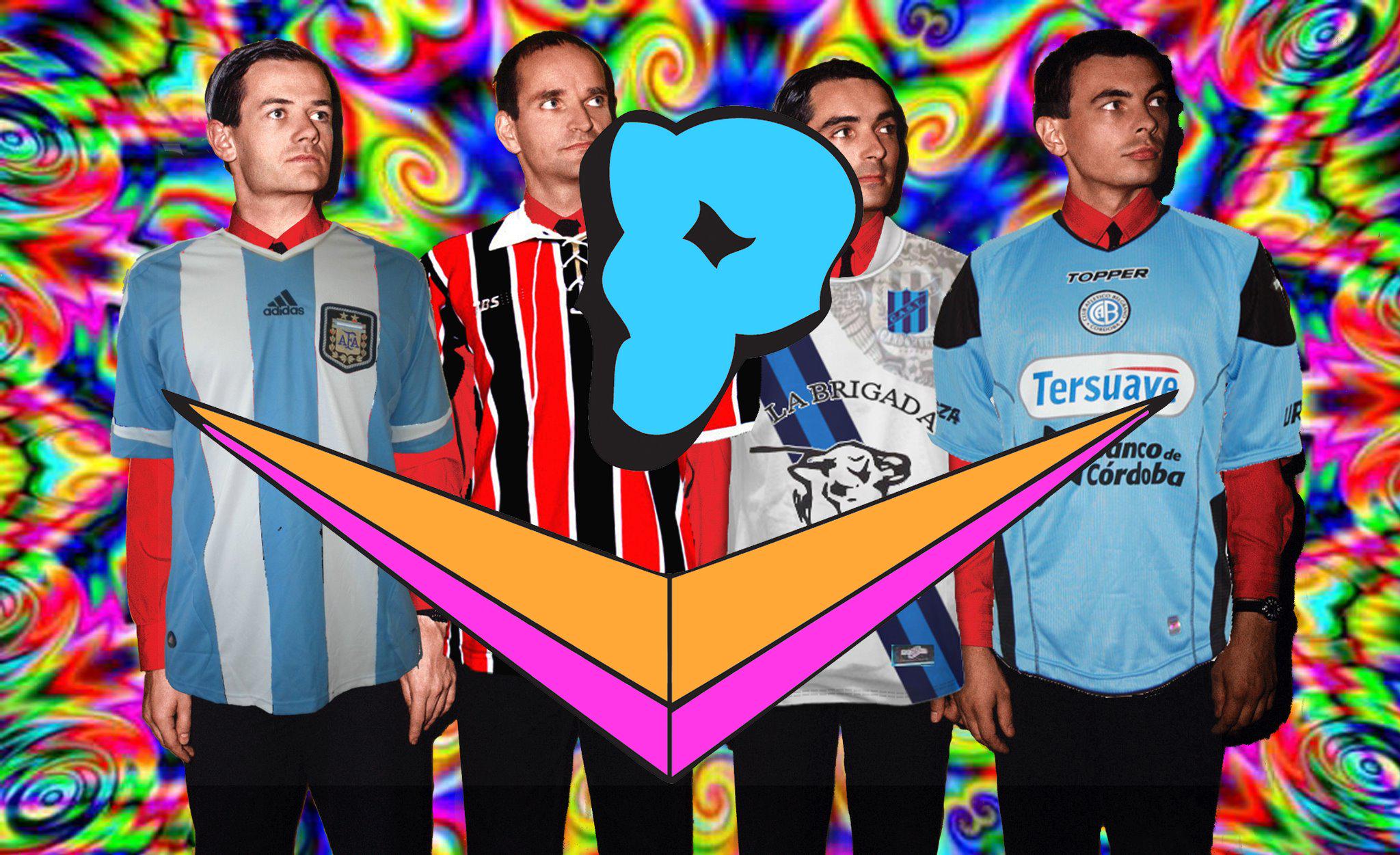
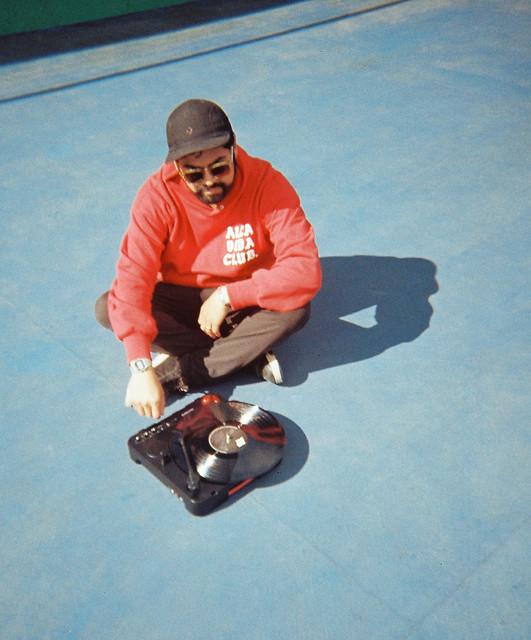
Supported by Gilles Peterson, Red Bull Music Academy, Trax Magazine & more, El Leopardo is a live electronic group from Colombia driven by producer Dani Boom (DJ, producer & founding member of Systema Solar). Morphing urban dub textures with a deep hypnotic rolling bass and sparse Colombian percussion, El Leopardo bring the Colombian jungle to the club.
They made their live debut at Sonar Festival Bogota on the RBMA stage and have recently toured Europe playing at Trans Musicales, Roskilde, Fusion & more. The Culture Trip described them as “One of the most exciting sounds to come out of Bogota this year.”
Performing live the group is made up of Dani Boom (Systema Solar - Nacional Records), Pedro Ojeda on drums (Ondatropica, Los Pirañas – Soundway), and Daniel Mitchel on bass (The Bogotá Afro Beat Orchestra).
Viberate is a music analytics platform built for A&Rs, artist managers, labels, booking agents, marketers, and artists.
It helps music professionals track artist growth, analyze audience data, monitor playlist activity, compare artists, follow song performance, and identify opportunities across the music market.
Public artist pages provide a free preview of selected artist data. Paid plans provide access to deeper analytics, historical data, charts, comparisons, playlist tools, exports, alerts, reports, and additional professional features.
Yes. Public Viberate artist pages provide selected artist analytics and music data for free.
Viberate also offers a 7-day free trial of the full platform. A credit card is required to start the trial. The trial includes access to the complete product so users can test deeper artist analytics, historical views, playlist insights, comparisons, charts, exports, alerts, and reporting features before choosing a paid plan.
Viberate provides artist analytics across streaming, playlists, social media, video, radio airplay, songs, and audience markets.
Users can analyze Spotify performance, Spotify and Apple Music playlists, YouTube activity, TikTok and Instagram growth, radio spins, song performance, audience locations, demographics, rankings, and overall artist momentum.
Artist profiles also connect to music charts, similar artists, and comparison tools, helping users benchmark performance and evaluate artists in context.
Viberate updates key artist and track data daily.
For followed artists and tracks, selected data is refreshed multiple times per day. This helps teams monitor playlist changes, streaming movement, audience growth, releases, and campaign performance with more current data.
Update frequency can vary depending on the metric and data source.
Yes. Viberate lets users compare up to five artists side by side across streaming, social media, audience, and engagement metrics.
Users can compare fanbase growth, audience demographics, locations, Spotify performance, social metrics, and other artist data over selected time periods.
Artist comparison can be used for A&R scouting, benchmarking, booking decisions, campaign planning, and evaluating artists with similar audiences or market positions.