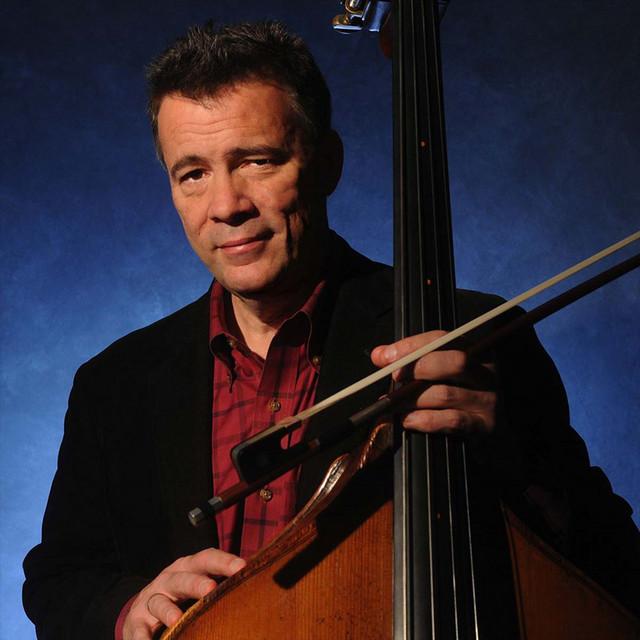
Edgar Meyer

Classical
Classical Crossover
Orchestral
Bluegrass
 Viberate Rank: 103659
 Viberate Rank: 103659
 Monthly ListenersFollowers
 Subscribers
 Followers
 Followers
 FansTop Spotify Songs
| Track | 7-Day Streams | |
|---|---|---|
1 | 15.43K | |
2 | 11.75K | |
3 | 9.71K | |
4 | 6.72K | |
5 | 6.61K |
Top YouTube Videos| Video | 7-Day Views | |
|---|---|---|
1 | 671 | |
2 | 337 | |
3 | 279 | |
4 | 252 | |
5 | 216 |
Monthly ListenersFeatured in Playlists| Playlist | Followers | |
|---|---|---|
1 |  This Is Bach Spotify | 720.73K |
2 | James Taylor – Greatest Hits jaybea2036 | 133.19K |
3 |  Relaxing Bach Spotify | 129.33K |
4 |  This Is Yo-Yo Ma Spotify | 104.33K |
5 | While You Work (@whileyouwork) Eli Feghali | 81.75K |
Audience| City | Monthly Listeners | |
|---|---|---|
1 | | 3.05K |
2 | | 2.80K |
3 | | 2.30K |
4 | | 2.06K |
5 | | 1.94K |
See full performance history, audience data, playlist activity, rankings, comparisons, and more in Viberate music analytics. Start with a free trial, then continue with a paid plan.
Edgar Meyer’s Spotify BioThe masterful skills of Edgar Meyer -- whether as bassist or composer; in bluegrass, classical, or a mix of genres -- earned him a MacArthur "genius grant" in 2002, but that is not the only accomplishment of this remarkable musician.
Meyer always credits his father, a high-school string music director, as his first teacher, and picked up his first real bass -- which had previously served as a flower planter -- at the age of five. He would go on to study at Indiana University and the Aspen Music School with Stuart Stankey and James Buswell. It was Stankey, he says, that showed him how to make the double bass his own. And it was in Aspen where Meyer connected with Béla Fleck. (Meyer also met his wife in the Aspen School's orchestra.)
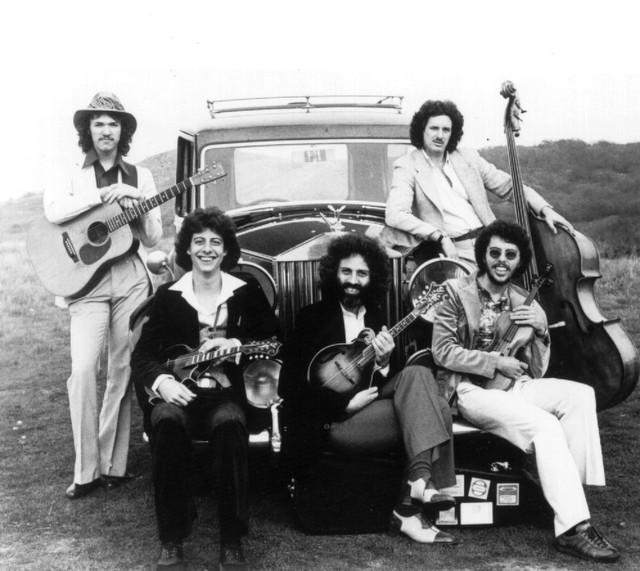
Fleck introduced Meyer to Dobroist Jerry Douglas and violinist Mark O'Connor. After assisting Meyer on his first four albums, all four of them plus mandolinist Sam Bush became the group Strength in Numbers, generally classified as a bluegrass group, but going… beyond that sound. That willingness to explore and create new and distinctive styles, as well as his musicianship, is what has always drawn other musicians and audiences to Meyer's music. During the 1980s, artists such as Garth Brooks, Emmylou Harris, the Indigo Girls, the Chieftains, Elton John, and others sought out Meyer for their albums. At the same time, Meyer became recognized among traditional Classical circles as a rare virtuoso of the small and ignored double bass repertoire, and earned an Avery Fisher Career Grant in 1994.
Meyer's own music is an organic combination of written and improvised sections, fusing folk and jazz and classical styles into something new. Professional collaborations bring out the best of his work, with album after album garnering critical praise. Appalachia Waltz and Appalachian Journey, his two albums with with O'Connor and Yo-Yo Ma, topped charts and best-of lists. Appalachian Journey won a Grammy Award, and the three artists appeared on Late Night with David Letterman. In 2011 Ma and Meyer joined with mandolinist Chris Thile (another MacArthur genius) for The Goat Rodeo Sessions. Meyer and Thile have also released two successful duet albums (2008 and 2014) and toured together, which is something Meyer often does when he finds a winning combination of colleagues.
Meyer worked with Fleck and Zakir Hussain to write a triple concerto and other pieces for double bass, banjo, and tabla; and with Joshua Bell for Meyer's Concerto for double bass and violin. His concerto for violinist Hilary Hahn is a rare work written for a single instrument and not the bass. Others Meyer has worked with include Mike Marshall and Emanuel Ax. Meyer still does solo recitals, with his longtime pianist Amy Dorfman, in programs featuring classical works alongside his own music, and he continues his relationship with Aspen, returning each year to mentor new students himself. Meyer once again collaborated with Yo-Yo Ma and Chris Thile for Bach: Trios, an album of new arrangements of J.S. Bach keyboard pieces released in April 2017.
Viberate is a music analytics platform built for A&Rs, artist managers, labels, booking agents, marketers, and artists.
It helps music professionals track artist growth, analyze audience data, monitor playlist activity, compare artists, follow song performance, and identify opportunities across the music market.
Public artist pages provide a free preview of selected artist data. Paid plans provide access to deeper analytics, historical data, charts, comparisons, playlist tools, exports, alerts, reports, and additional professional features.
Yes. Public Viberate artist pages provide selected artist analytics and music data for free.
Viberate also offers a 7-day free trial of the full platform. A credit card is required to start the trial. The trial includes access to the complete product so users can test deeper artist analytics, historical views, playlist insights, comparisons, charts, exports, alerts, and reporting features before choosing a paid plan.
Viberate provides artist analytics across streaming, playlists, social media, video, radio airplay, songs, and audience markets.
Users can analyze Spotify performance, Spotify and Apple Music playlists, YouTube activity, TikTok and Instagram growth, radio spins, song performance, audience locations, demographics, rankings, and overall artist momentum.
Artist profiles also connect to music charts, similar artists, and comparison tools, helping users benchmark performance and evaluate artists in context.
Viberate updates key artist and track data daily.
For followed artists and tracks, selected data is refreshed multiple times per day. This helps teams monitor playlist changes, streaming movement, audience growth, releases, and campaign performance with more current data.
Update frequency can vary depending on the metric and data source.
Yes. Viberate lets users compare up to five artists side by side across streaming, social media, audience, and engagement metrics.
Users can compare fanbase growth, audience demographics, locations, Spotify performance, social metrics, and other artist data over selected time periods.
Artist comparison can be used for A&R scouting, benchmarking, booking decisions, campaign planning, and evaluating artists with similar audiences or market positions.