Eddie From Ohio

Country
Bluegrass
Alternative Hip Hop
 Viberate Rank: 319562
 Viberate Rank: 319562
 Monthly ListenersFollowers
 Subscribers
 Followers
 Followers
 FansTop Spotify Songs
| Track | 7-Day Streams | |
|---|---|---|
1 | 340 | |
2 | 191 | |
3 | 142 | |
4 | 138 | |
5 | 138 |
Top YouTube VideosMonthly ListenersFeatured in Playlists| Playlist | Followers | |
|---|---|---|
1 | amandaemcee | 69.74K |
2 | 715 Songs to give you frisson Ilene Roberts | 6.07K |
3 |  The Longest Playlist On Spotify exiedous | 3.70K |
4 | 90/180 BPM Running All Genres 12721221 | 3.45K |
5 | Amandaemcee - Frisson ili_tchili | 2.66K |
Audience| City | Monthly Listeners | |
|---|---|---|
1 | | 146 |
2 | | 77 |
3 | | 75 |
4 | | 57 |
5 | | 52 |
See full performance history, audience data, playlist activity, rankings, comparisons, and more in Viberate music analytics. Start with a free trial, then continue with a paid plan.
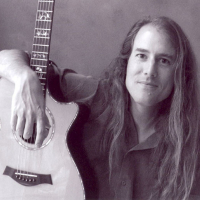
Eddie From Ohio’s Spotify BioThis folk-rock quartet from the Washington, D.C./suburban Virginia area was only formed in 1991, but they've quickly become favorites on the folk festival circuit with their jazzy, rootsy blend of folk-rock. The group's popularity grew with the growth of Triple A (adult album alternative) radio stations in the 1990s, and their crossover appeal prevented them from being labeled purely a folk act.
Composed of Julie Murphy (vocals), Robbie Schaefer (guitar and vocals), Eddie Hartness (percussion and vocals) and Michael Clem (guitar, bass, harp and vocals), the quartet came together in northern Virginia when longtime friends Schaefer and Clem decided to form an acoustic rock trio with Murphy, a mutual friend from high school choir. Hartness was recruited soon after the group's formation to add percussion treatments. A year later, Clem and Murphy were able to leave their day jobs and the band began to attract growing crowds to its residency show on Tuesday nights at Bad Habits Grille in… Arlington, VA. They got the name Eddie from Ohio from Hartness, whose girlfriend started calling him "Eddie from Ohio" after eD fROMOHIO, a member of the now-defunct group fIREHOSE.
In their relatively brief existence, the neo-folk/folk-rock band's sound has been compared to 10,000 Maniacs, the Indigo Girls, Crosby, Stills and Nash, and Shawn Colvin, but their eclectic approach has appealed to well-educated music fans: they artfully blend bluegrass, folk, calypso, jazz, acoustic blues and pop and rock melodies. Their eclectic philosophy is a reflection of their influences: Clem and Schaefer cite Bruce Cockburn, Lyle Lovett and Shawn Colvin, while Hartness' tastes run toward alternative rock, including the Red Hot Chili Peppers and Pearl Jam. Lead vocalist Murphy grew up listening to 1940s jazz, including Billie Holiday and the music of the Gershwins.
In its six years of existence, the group has played to festival crowds from New York to Colorado and produced four albums for their own Virginia Soul Records label. Eddie From Ohio released its fourth album in 1997, Big Noise. Their earlier releases include I Rode Fido Home (1995), Actually Not (1993), and A Juggler On His Blades (1992). ~ Richard Skelly, Rovi
Viberate is a music analytics platform built for A&Rs, artist managers, labels, booking agents, marketers, and artists.
It helps music professionals track artist growth, analyze audience data, monitor playlist activity, compare artists, follow song performance, and identify opportunities across the music market.
Public artist pages provide a free preview of selected artist data. Paid plans provide access to deeper analytics, historical data, charts, comparisons, playlist tools, exports, alerts, reports, and additional professional features.
Yes. Public Viberate artist pages provide selected artist analytics and music data for free.
Viberate also offers a 7-day free trial of the full platform. A credit card is required to start the trial. The trial includes access to the complete product so users can test deeper artist analytics, historical views, playlist insights, comparisons, charts, exports, alerts, and reporting features before choosing a paid plan.
Viberate provides artist analytics across streaming, playlists, social media, video, radio airplay, songs, and audience markets.
Users can analyze Spotify performance, Spotify and Apple Music playlists, YouTube activity, TikTok and Instagram growth, radio spins, song performance, audience locations, demographics, rankings, and overall artist momentum.
Artist profiles also connect to music charts, similar artists, and comparison tools, helping users benchmark performance and evaluate artists in context.
Viberate updates key artist and track data daily.
For followed artists and tracks, selected data is refreshed multiple times per day. This helps teams monitor playlist changes, streaming movement, audience growth, releases, and campaign performance with more current data.
Update frequency can vary depending on the metric and data source.
Yes. Viberate lets users compare up to five artists side by side across streaming, social media, audience, and engagement metrics.
Users can compare fanbase growth, audience demographics, locations, Spotify performance, social metrics, and other artist data over selected time periods.
Artist comparison can be used for A&R scouting, benchmarking, booking decisions, campaign planning, and evaluating artists with similar audiences or market positions.