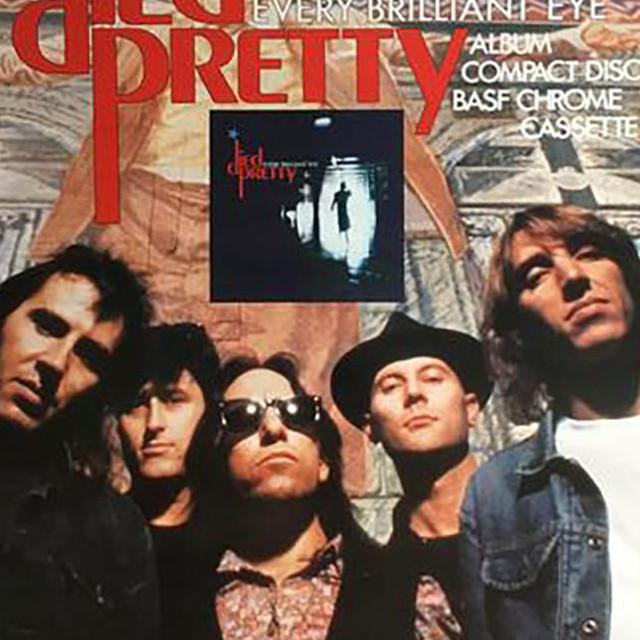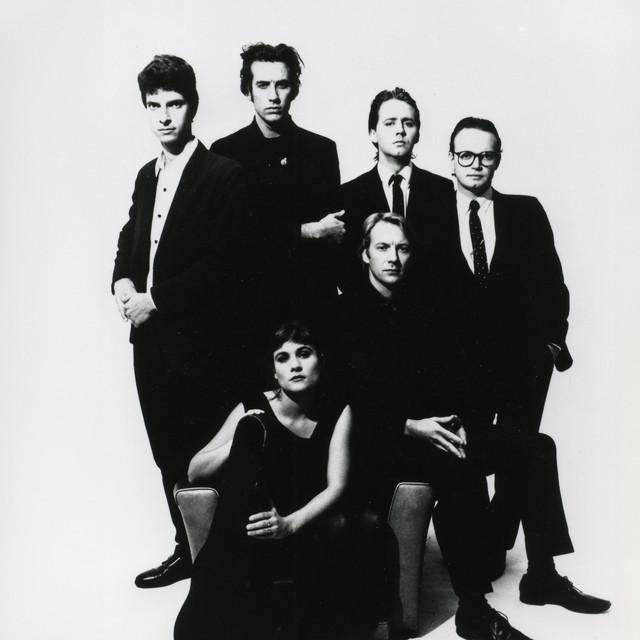
Ed Kuepper

Rock
Alternative Rock
 Viberate Rank: 149953
 Viberate Rank: 149953
 Monthly ListenersFollowers
 Subscribers
 Followers
 Followers
 FansTop Spotify Songs
| Track | 7-Day Streams | |
|---|---|---|
1 | 2.95K | |
2 | 646 | |
3 | 581 | |
4 | 550 | |
5 | 550 |
Top YouTube Videos| Video | 7-Day Views | |
|---|---|---|
1 | 1.62K | |
2 | 785 | |
3 | 730 | |
4 | 593 | |
5 | 568 |
Monthly ListenersFeatured in Playlists| Playlist | Followers | |
|---|---|---|
1 |  Triple J Hottest 100 1993-2023 Morgan Burridge | 11.29K |
2 |  triple j's Hottest 100 1993 triple j | 10.81K |
3 |  Triple J Hottest 100 - 1990's Brett Lawrence | 10.35K |
4 |  triple j's Hottest 100 1994 triple j | 10.11K |
5 |  WFMU's Heavily Played Records WFMU | 7.28K |
Audience| City | Monthly Listeners | |
|---|---|---|
1 | | 3.37K |
2 | | 3.10K |
3 | | 2.05K |
4 | | 1.40K |
5 | | 811 |
See full performance history, audience data, playlist activity, rankings, comparisons, and more in Viberate music analytics. Start with a free trial, then continue with a paid plan.
Ed Kuepper’s Spotify BioThough he formed the Saints with Chris Bailey in 1975, Ed Kuepper left the band before its biggest popular success (though after its best recordings). The Saints were one of Australia's premier punk bands, and Kuepper played on two albums before leaving in 1979 to form the Laughing Clowns, a band whose sound was jazzier and quite a bit more experimental than his former group. The Laughing Clowns released three EPs during the early '80s before their debut self-titled album appeared in 1982. Kuepper led the band through four additional albums, but became a solo act beginning with the surprisingly pop-oriented Electrical Storm in 1986. After another pop album, Rooms of the Magnificent, Capitol took a chance on Kuepper and signed him; his response was Everybody's Got To, his third great pop album in a row. Nevertheless, it failed to click with radio programmers or the public. Capitol later dropped Kuepper and he responded in 1990 with the acoustic, stripped-back Today Wonder. One year… later, he formed the Aints -- a jab at Chris Bailey, who continued to use the Saints name during the '80s and '90s -- to release Ascension. He returned to solo status in 1992, and began a string of seven studio LPs over the next four years, plus two mail-order-only albums and a best-of entitled Sings His Greatest Hits for You. Next came This Is the Magic Mile, which was released in 2006 on Hot Records. Despite his very appreciative cult of fans and torrid release schedule, Kuepper has not managed a breakthrough to wide popular acclaim. ~ John Bush, Rovi
Viberate is a music analytics platform built for A&Rs, artist managers, labels, booking agents, marketers, and artists.
It helps music professionals track artist growth, analyze audience data, monitor playlist activity, compare artists, follow song performance, and identify opportunities across the music market.
Public artist pages provide a free preview of selected artist data. Paid plans provide access to deeper analytics, historical data, charts, comparisons, playlist tools, exports, alerts, reports, and additional professional features.
Yes. Public Viberate artist pages provide selected artist analytics and music data for free.
Viberate also offers a 7-day free trial of the full platform. A credit card is required to start the trial. The trial includes access to the complete product so users can test deeper artist analytics, historical views, playlist insights, comparisons, charts, exports, alerts, and reporting features before choosing a paid plan.
Viberate provides artist analytics across streaming, playlists, social media, video, radio airplay, songs, and audience markets.
Users can analyze Spotify performance, Spotify and Apple Music playlists, YouTube activity, TikTok and Instagram growth, radio spins, song performance, audience locations, demographics, rankings, and overall artist momentum.
Artist profiles also connect to music charts, similar artists, and comparison tools, helping users benchmark performance and evaluate artists in context.
Viberate updates key artist and track data daily.
For followed artists and tracks, selected data is refreshed multiple times per day. This helps teams monitor playlist changes, streaming movement, audience growth, releases, and campaign performance with more current data.
Update frequency can vary depending on the metric and data source.
Yes. Viberate lets users compare up to five artists side by side across streaming, social media, audience, and engagement metrics.
Users can compare fanbase growth, audience demographics, locations, Spotify performance, social metrics, and other artist data over selected time periods.
Artist comparison can be used for A&R scouting, benchmarking, booking decisions, campaign planning, and evaluating artists with similar audiences or market positions.