Ed Hale

Rock
Pop Rock
Psychedelic Rock
 Viberate Rank: 281236
 Viberate Rank: 281236
 Monthly ListenersFollowers
 Subscribers
 Followers
 Followers
 FansTop Spotify SongsTop YouTube VideosMonthly ListenersFeatured in Playlists
| Playlist | Followers | |
|---|---|---|
1 |  Pop Weekend Vibes VINO | 21.27K |
2 |  2020 Top 100 Brian Cowan | 20.65K |
3 |  Beach Vibes Langleyhaydon | 20.48K |
4 |  Workout 🏋️ Crossfit 🏃 Mason Crampton | 7.58K |
5 |  Shameless US · OST Caye | 6.92K |
Audience| City | Monthly Listeners | |
|---|---|---|
1 |  | 3 |
2 | | 3 |
3 | | 3 |
See full performance history, audience data, playlist activity, rankings, comparisons, and more in Viberate music analytics. Start with a free trial, then continue with a paid plan.
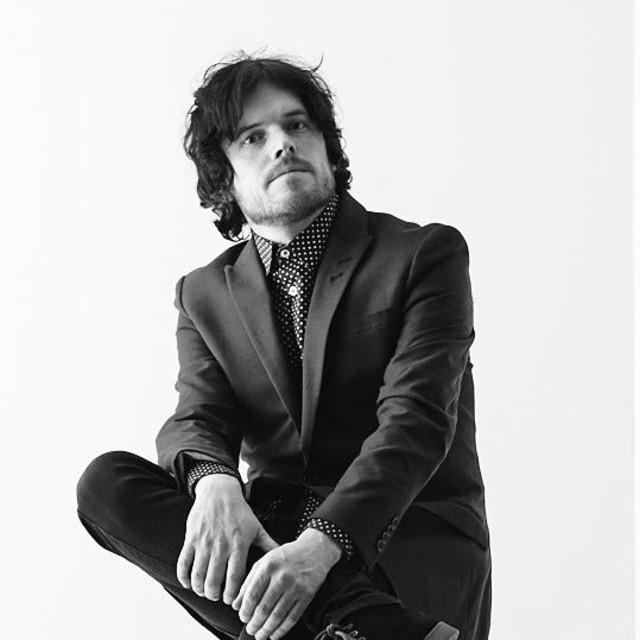
Ed Hale’s Spotify BioSinger-songwriter Ed Hale learned to sing and play the guitar at an early age, inspired by his parents' vinyl collection, rendering his earliest influences often at contrast with the popular music of his youth. At the age of 17 his first album Eddie was released, drawing comparisons to David Bowie, Lou Reed and U2 among others. Hale has always melded contemporary pop/rock musical styles with 60s psychedelic rock, 70s Glam and experimental avant garde. His second solo album was the minimalist Acoustic in New York, a collection of ten songs comprised of only acoustic guitar and vocals that highlighted his increasing use of a unique brand of open guitar tunings and more long-form song structures. In 2000 he formed Ed Hale & the Transcendence, a quasi-supergroup of popular local players that featured guitarist Fernando Perdomo, bassist Roger Houdaille, vocalist Matthew Sabatella and drummers Ricardo Mazzi and Bill Sommer, among others. The band has ranged in size over the years, but… still contains the same founding members who continue to write, produce and perform on Hale's albums. This loosely-knit group approach has allowed Hale and company to explore a wide variety of musical styles and genres in the ten albums they've released since their 2002 debut Rise and Shine. Their genre-defying catalog illustrates Hale's prolific and often eccentric approach to songwriting, earning the artist a string of hits in a broad spectrum of different radio formats. ~ Bradley Torreano, Rovi
Viberate is a music analytics platform built for A&Rs, artist managers, labels, booking agents, marketers, and artists.
It helps music professionals track artist growth, analyze audience data, monitor playlist activity, compare artists, follow song performance, and identify opportunities across the music market.
Public artist pages provide a free preview of selected artist data. Paid plans provide access to deeper analytics, historical data, charts, comparisons, playlist tools, exports, alerts, reports, and additional professional features.
Yes. Public Viberate artist pages provide selected artist analytics and music data for free.
Viberate also offers a 7-day free trial of the full platform. A credit card is required to start the trial. The trial includes access to the complete product so users can test deeper artist analytics, historical views, playlist insights, comparisons, charts, exports, alerts, and reporting features before choosing a paid plan.
Viberate provides artist analytics across streaming, playlists, social media, video, radio airplay, songs, and audience markets.
Users can analyze Spotify performance, Spotify and Apple Music playlists, YouTube activity, TikTok and Instagram growth, radio spins, song performance, audience locations, demographics, rankings, and overall artist momentum.
Artist profiles also connect to music charts, similar artists, and comparison tools, helping users benchmark performance and evaluate artists in context.
Viberate updates key artist and track data daily.
For followed artists and tracks, selected data is refreshed multiple times per day. This helps teams monitor playlist changes, streaming movement, audience growth, releases, and campaign performance with more current data.
Update frequency can vary depending on the metric and data source.
Yes. Viberate lets users compare up to five artists side by side across streaming, social media, audience, and engagement metrics.
Users can compare fanbase growth, audience demographics, locations, Spotify performance, social metrics, and other artist data over selected time periods.
Artist comparison can be used for A&R scouting, benchmarking, booking decisions, campaign planning, and evaluating artists with similar audiences or market positions.