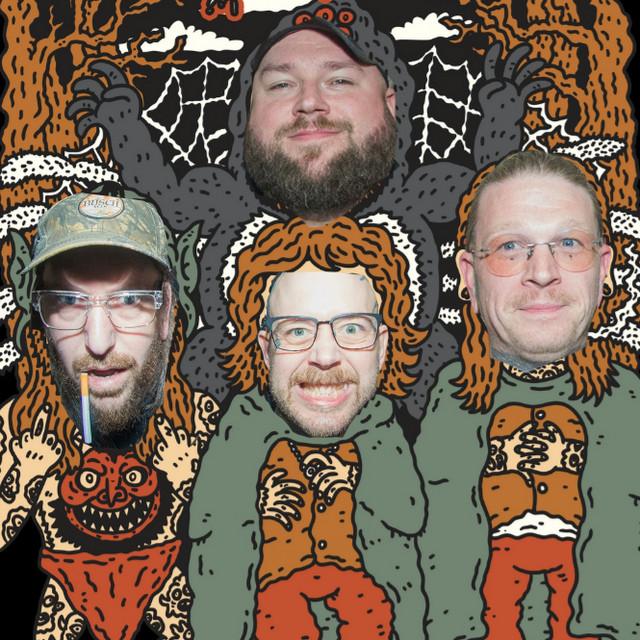
Ed Gein

Metal
Thrash Metal
Grindcore
 Viberate Rank: 218392
 Viberate Rank: 218392
 Monthly ListenersFollowers
 Subscribers
 Followers
 Followers
 FansTop Spotify Songs
| Track | 7-Day Streams | |
|---|---|---|
1 | 1.22K | |
2 | 889 | |
3 | 623 | |
4 | 531 | |
5 | 444 |
Top YouTube VideosMonthly ListenersFeatured in Playlists| Playlist | Followers | |
|---|---|---|
1 |  songs to eat glass to Machine Girl | 8.89K |
2 | actual good metalcore grave | 5.61K |
3 |  The Sound of Grindcore The Sounds of Spotify | 5.22K |
4 |  The Sound of Mathcore The Sounds of Spotify | 5.13K |
5 |  Thrasher Magazine Luis Alberto Morales | 4.17K |
Audience| City | Monthly Listeners | |
|---|---|---|
1 | | 173 |
2 | | 131 |
3 | | 107 |
4 | | 90 |
5 | | 85 |
See full performance history, audience data, playlist activity, rankings, comparisons, and more in Viberate music analytics. Start with a free trial, then continue with a paid plan.
Ed Gein’s Spotify BioNamed for one of America's most notorious serial killers (his exploits helped inspire the movies Psycho and The Texas Chainsaw Massacre), Ed Gein generate a suitably brutal and unforgiving sonic assault, combining the skull-crushing power of thrash metal and grindcore with the angry political ranting and social commentary of hardcore punk. Hailing from upstate New York and consisting of Jesse Daino on drums, Aaron Jenkins on bass, and Graham Reynolds on guitar (all three sing), Ed Gein recorded their first three-song demo in 2002, with their debut album, It's a Shame a Family Can Be Torn Apart by Something as Simple as a Pack of Wild Dogs, following in 2003. Though heavy touring in the United States and Europe, Ed Gein began to develop a loyal following, either because of or despite their extreme musical and lyrical stance, and they were signed to Metal Blade Records' auxiliary label Black Market Activities in time for the release of their second LP, 2005's Judas Goats and… Dieseleaters. The trio plans to record its third album in 2007. ~ Mark Deming, Rovi
Viberate is a music analytics platform built for A&Rs, artist managers, labels, booking agents, marketers, and artists.
It helps music professionals track artist growth, analyze audience data, monitor playlist activity, compare artists, follow song performance, and identify opportunities across the music market.
Public artist pages provide a free preview of selected artist data. Paid plans provide access to deeper analytics, historical data, charts, comparisons, playlist tools, exports, alerts, reports, and additional professional features.
Yes. Public Viberate artist pages provide selected artist analytics and music data for free.
Viberate also offers a 7-day free trial of the full platform. A credit card is required to start the trial. The trial includes access to the complete product so users can test deeper artist analytics, historical views, playlist insights, comparisons, charts, exports, alerts, and reporting features before choosing a paid plan.
Viberate provides artist analytics across streaming, playlists, social media, video, radio airplay, songs, and audience markets.
Users can analyze Spotify performance, Spotify and Apple Music playlists, YouTube activity, TikTok and Instagram growth, radio spins, song performance, audience locations, demographics, rankings, and overall artist momentum.
Artist profiles also connect to music charts, similar artists, and comparison tools, helping users benchmark performance and evaluate artists in context.
Viberate updates key artist and track data daily.
For followed artists and tracks, selected data is refreshed multiple times per day. This helps teams monitor playlist changes, streaming movement, audience growth, releases, and campaign performance with more current data.
Update frequency can vary depending on the metric and data source.
Yes. Viberate lets users compare up to five artists side by side across streaming, social media, audience, and engagement metrics.
Users can compare fanbase growth, audience demographics, locations, Spotify performance, social metrics, and other artist data over selected time periods.
Artist comparison can be used for A&R scouting, benchmarking, booking decisions, campaign planning, and evaluating artists with similar audiences or market positions.