Ectomorph

Electronic
Techno
Other Electronic Music
 Viberate Rank: 280552
 Viberate Rank: 280552
 Monthly ListenersFollowers
 Subscribers
 Followers
 Followers
 FansTop Spotify Songs
| Track | 7-Day Streams | |
|---|---|---|
1 | 86 | |
2 | 52 | |
3 | 52 | |
4 | 48 | |
5 | 45 |
Top YouTube VideosMonthly ListenersFeatured in Playlists| Playlist | Followers | |
|---|---|---|
1 |  90'S RAVE Ben Pickersgill | 7.72K |
2 |  Daniel Avery - Magic + Memory [a playlist] Daniel Avery | 7.63K |
3 |  Ghettotech Eric Brightwell | 7.31K |
4 |  Electro & IDM Science Cult | 6.19K |
5 |  BR - Space Night (Vol.01-12) A-Jey | 5.77K |
Audience| City | Monthly Listeners | |
|---|---|---|
1 |  | 25 |
2 | | 23 |
3 |  | 21 |
4 | | 18 |
5 | | 12 |
See full performance history, audience data, playlist activity, rankings, comparisons, and more in Viberate music analytics. Start with a free trial, then continue with a paid plan.
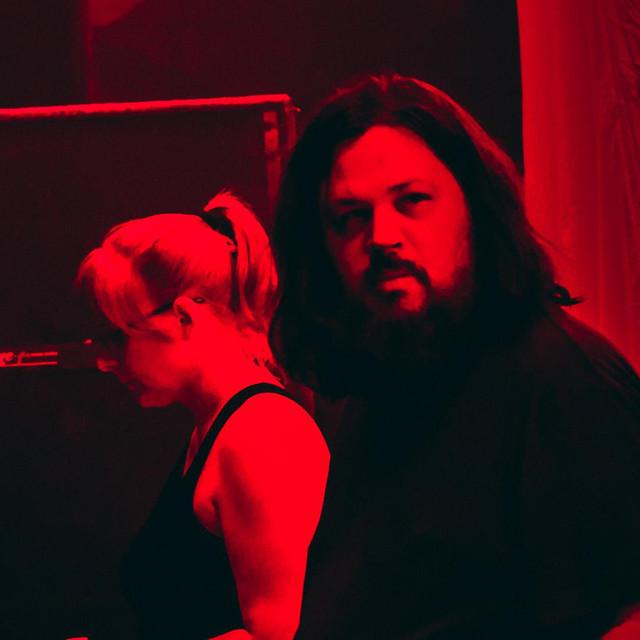
Ectomorph’s Spotify BioThough they're unknown to all but a select few in the American and European underground, Detroit electro duo Ectomorph are on the leading edge of a new wave of American dance music artists reconnecting techno to its roots in Motor City funk and soul via electro. Like early Detroit artists such as Juan Atkins and Carl Craig who sought to explore the fusion of man and machine in a wholly electronic musical form, Ectomorph dwell on the pros and cons of the machine aesthetic. But where many of those artists eventually left the rigid funk of the beatbox break behind for the steady pulse of a disco or house beat (electro all but disappeared in the mid- to late '80s, following the birth and ascendance of full-blown techno), Ectomorph, as well as likeminded artists such as Drexciya, Flexitone, Dopplereffekt, and DJ Godfather, continue to draw from the legacy of figures such as James Brown, Funkadelic, the Bar-Kays, and the Meters. Although their music bears little resemblance to the… freewheeling acoustical jams of many of those groups, Ectomorph's affection for swung, meter-stepping rhythms and disorienting blasts of analog fuzz trace out a direct, recognizable connection.
Formed by bedroom arms Brendan "BMG" Gillen and Gerald (as the former member of Detroit new wave group the Batteries likes to be known) in 1994, Ectomorph have released 12"s and a handful of compilation tracks for labels such as Sabotage, Serotonin, Astralwerks, and Submerge. Their influence and reputation have more than exceeded their comparatively limited output, with DJs regularly citing them as favorites and European electro revivalists routinely biting their style. Ectomorph's first release, the Subsonic Vibrations EP, was released in 1994 (the record also included a pair of looped-rhythm lock-grooves; a signature of the group); the four-track "Stark" EP followed the following year, with tracks on Astralwerks' Detroit: Beyond the Third Wave and Sabotage's Electro Juice exposing the group to a much wider audience. Additionally, Gillen and Gerald have recorded for Carl Craig's Planet E label under the name Flexitone, releasing a pair of singles and a track on the label compilation Elements of and Experiments with Sound. Gerald also records as one-half of Detroit electro group Drexciya, with Gillen's solo work appearing most often through Audiohypnose. Gerald left the duo in 1996, and was replaced by Erika Sherman. In 2000, DJ Godfather and Carlos Souffront started accompanying the group, taking over DJ Rotator's original slot. [See also: Flexitone.] ~ Sean Cooper
Viberate is a music analytics platform built for A&Rs, artist managers, labels, booking agents, marketers, and artists.
It helps music professionals track artist growth, analyze audience data, monitor playlist activity, compare artists, follow song performance, and identify opportunities across the music market.
Public artist pages provide a free preview of selected artist data. Paid plans provide access to deeper analytics, historical data, charts, comparisons, playlist tools, exports, alerts, reports, and additional professional features.
Yes. Public Viberate artist pages provide selected artist analytics and music data for free.
Viberate also offers a 7-day free trial of the full platform. A credit card is required to start the trial. The trial includes access to the complete product so users can test deeper artist analytics, historical views, playlist insights, comparisons, charts, exports, alerts, and reporting features before choosing a paid plan.
Viberate provides artist analytics across streaming, playlists, social media, video, radio airplay, songs, and audience markets.
Users can analyze Spotify performance, Spotify and Apple Music playlists, YouTube activity, TikTok and Instagram growth, radio spins, song performance, audience locations, demographics, rankings, and overall artist momentum.
Artist profiles also connect to music charts, similar artists, and comparison tools, helping users benchmark performance and evaluate artists in context.
Viberate updates key artist and track data daily.
For followed artists and tracks, selected data is refreshed multiple times per day. This helps teams monitor playlist changes, streaming movement, audience growth, releases, and campaign performance with more current data.
Update frequency can vary depending on the metric and data source.
Yes. Viberate lets users compare up to five artists side by side across streaming, social media, audience, and engagement metrics.
Users can compare fanbase growth, audience demographics, locations, Spotify performance, social metrics, and other artist data over selected time periods.
Artist comparison can be used for A&R scouting, benchmarking, booking decisions, campaign planning, and evaluating artists with similar audiences or market positions.