Echobrain

Rock
Alternative Rock
Alternative Metal
 Viberate Rank: 291247
 Viberate Rank: 291247
 Monthly ListenersFollowers
 Subscribers
 Followers
 Followers
 FansTop Spotify Songs
| Track | 7-Day Streams | |
|---|---|---|
1 | 686 | |
2 | 325 | |
3 | 240 | |
4 | 184 | |
5 | 121 |
Top YouTube VideosMonthly ListenersFeatured in Playlists| Playlist | Followers | |
|---|---|---|
1 |  The Sound of Alternative Metal The Sounds of Spotify | 10.39K |
2 |  Rock/Metal Love Songs Rock Metal Fan Nation | 5.28K |
3 |  Music From The Metallica Report Metallica | 4.04K |
4 |  Pearl Jam influenced bands Tsantalis Chris | 1.80K |
Audience| City | Monthly Listeners | |
|---|---|---|
1 |  | 105 |
2 |  | 55 |
3 | | 47 |
4 | | 44 |
5 | | 43 |
See full performance history, audience data, playlist activity, rankings, comparisons, and more in Viberate music analytics. Start with a free trial, then continue with a paid plan.
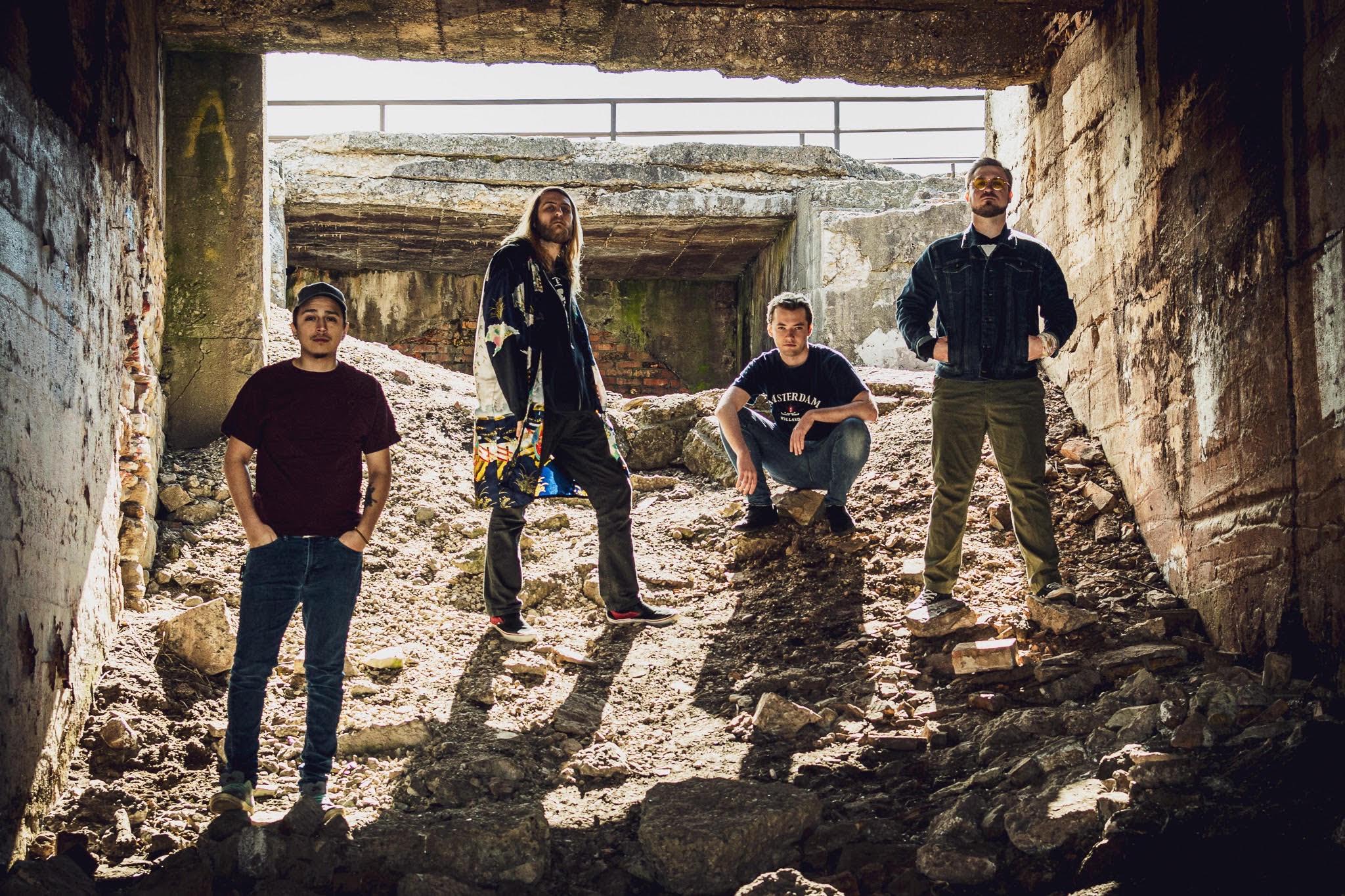
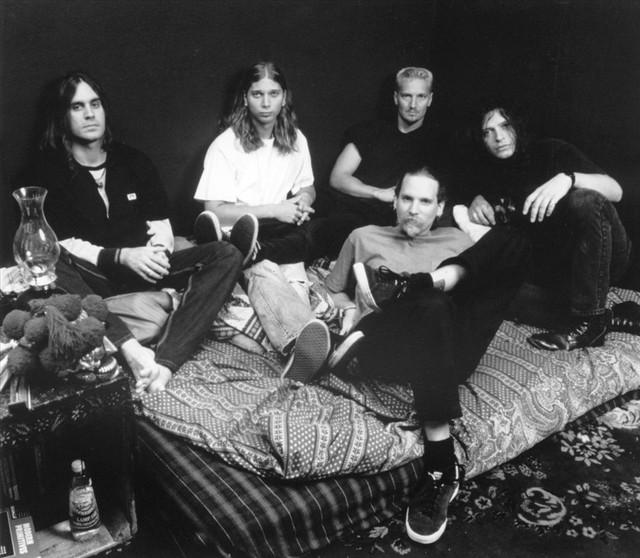
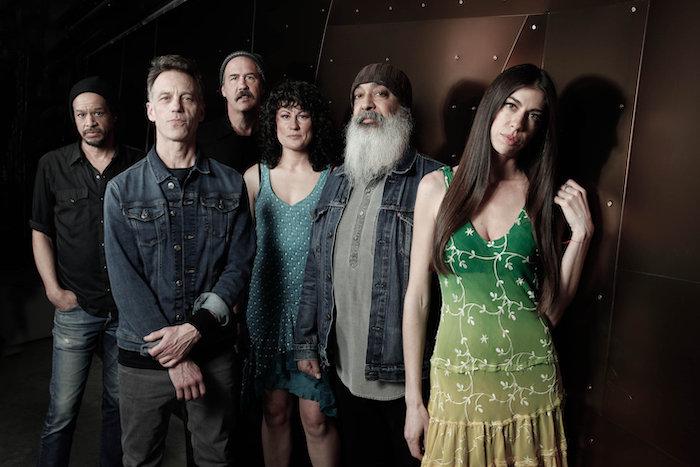
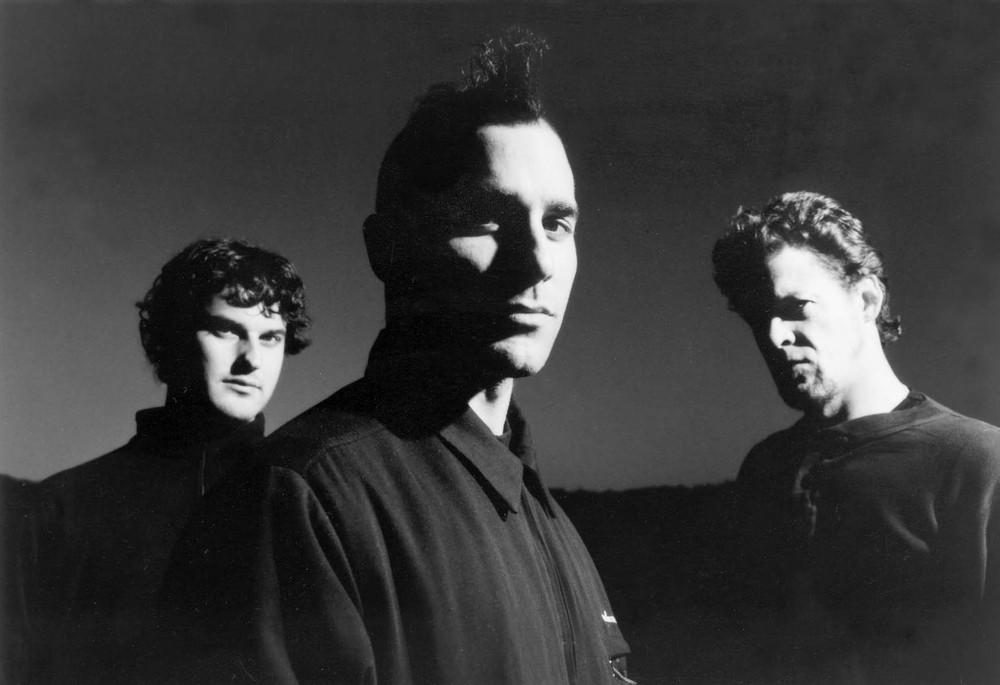
Echobrain’s Spotify BioThe origin of EchoBrain began at a Super Bowl party in 1995, when Metallica bassist Jason Newsted invited a handful of neighbors to his house to watch the game and jam in his home studio, known as "The Chophouse." The veteran musician was impressed with a local 16-year-old jazz/funk drummer named Brian Sagrafena and the two spent the rest of the evening working through their favorite Tower of Power tunes, eventually missing the end of the football game. Sagrafena, the son of a drummer who spent a stint in the '70s San Francisco funk/soul band Sassafras, was never a Metallica fan, so his jam sessions with heavy metal royalty never really affected him, but his friend and musical collaborator Dylan Donkin was admittedly sweaty palmed upon meeting Newsted. The three kept a loose relationship throughout the '90s, with Newsted recording a demo for Donkin and Sagrafena's funk band the Discojefes.
In 1999, Sagrafena and Donkin took a road trip to Baja, Mexico, writing new songs and polishing… their old ones. When they got back to the States, they recorded a handful of new songs on eight-track, playing them for Newsted when he returned home from touring. The rough demos caught Newsted's ear and he offered to collaborate with the two, helping out on bass and assisting with the songwriting. In May of 2000, the trio entered a recording studio in Northern California and documented the songs that would become their debut album, with help from several fellow musicians, including Metallica guitarist Kirk Hammett, some banjo and guitar work from ex-Faith No More guitarist Jim Martin, and assistance from members of the San Francisco Symphony.
Metallica frontman James Hetfield had always had a ground rule that no member of his band was permitted to work on side projects -- the theory being that if one of the bandmembers was putting his creative energies toward another project, they wouldn't be giving Metallica the 110-percent that he demanded. Tensions within the group escalated, and on January 17, 2001, Newsted announced that he was leaving the band due to "private and personal reasons." Despite veiled references to "the physical damage" incurred over the years with the notorious band, many suspected his departure was due in part to Hetfield's "with us or against us" policy.
EchoBrain's live debut came in August of 2001 at a showcase of Bay Area bands, joined on-stage by guitarist Chris Scianni and keyboardist David Borla (of the New York duo Dangerman). The self-titled Chophouse/Surfdog full-length followed in 2002, and received solid notices in the press. EchoBrain returned two years later with Glean. Though Newsted received an exec producer credit, bass duties had been taken over by vocalist Dylan Donkin's brother Adam Donkin. Guitarist/keyboardist Andrew Gomez also made his debut. ~ Zac Johnson, Rovi
Viberate is a music analytics platform built for A&Rs, artist managers, labels, booking agents, marketers, and artists.
It helps music professionals track artist growth, analyze audience data, monitor playlist activity, compare artists, follow song performance, and identify opportunities across the music market.
Public artist pages provide a free preview of selected artist data. Paid plans provide access to deeper analytics, historical data, charts, comparisons, playlist tools, exports, alerts, reports, and additional professional features.
Yes. Public Viberate artist pages provide selected artist analytics and music data for free.
Viberate also offers a 7-day free trial of the full platform. A credit card is required to start the trial. The trial includes access to the complete product so users can test deeper artist analytics, historical views, playlist insights, comparisons, charts, exports, alerts, and reporting features before choosing a paid plan.
Viberate provides artist analytics across streaming, playlists, social media, video, radio airplay, songs, and audience markets.
Users can analyze Spotify performance, Spotify and Apple Music playlists, YouTube activity, TikTok and Instagram growth, radio spins, song performance, audience locations, demographics, rankings, and overall artist momentum.
Artist profiles also connect to music charts, similar artists, and comparison tools, helping users benchmark performance and evaluate artists in context.
Viberate updates key artist and track data daily.
For followed artists and tracks, selected data is refreshed multiple times per day. This helps teams monitor playlist changes, streaming movement, audience growth, releases, and campaign performance with more current data.
Update frequency can vary depending on the metric and data source.
Yes. Viberate lets users compare up to five artists side by side across streaming, social media, audience, and engagement metrics.
Users can compare fanbase growth, audience demographics, locations, Spotify performance, social metrics, and other artist data over selected time periods.
Artist comparison can be used for A&R scouting, benchmarking, booking decisions, campaign planning, and evaluating artists with similar audiences or market positions.