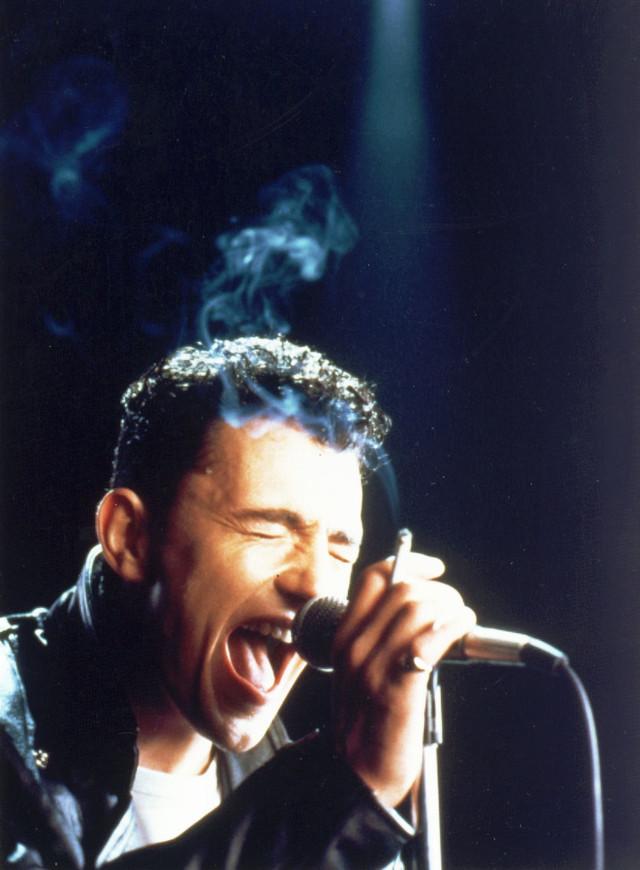
Easterhouse

Rock
Pop Rock
Indie Rock
 Viberate Rank: 526155
 Viberate Rank: 526155
 Monthly ListenersFollowers
 Subscribers
 Followers
 Followers
 FansTop Spotify Songs
| Track | 7-Day Streams | |
|---|---|---|
1 | 42 | |
2 | 27 | |
3 | 22 | |
4 | 21 | |
5 | 15 |
Top YouTube VideosMonthly ListenersFeatured in Playlists| Playlist | Followers | |
|---|---|---|
1 | 80's New Wave Pascal Amiaud | 31.89K |
2 |  1980s Alternative Retrogamer PlayStation®️ | 11.69K |
3 |  the jangle pop masterlist Arielle | 5.97K |
4 |  80s Alternative Rock & New Wave: Hits & Deep Cuts Carefully Curated. | 2.54K |
5 | techno pop 80,s Miguel Mayoral | 2.14K |
Audience| City | Monthly Listeners | |
|---|---|---|
1 |  | 14 |
2 | | 10 |
3 | | 9 |
4 | | 7 |
5 | | 7 |
See full performance history, audience data, playlist activity, rankings, comparisons, and more in Viberate music analytics. Start with a free trial, then continue with a paid plan.
Easterhouse’s Spotify BioA stridently political band that came up in the mid-'80s and failed to follow through on high expectations, Easterhouse's early sound wasn't unlike a cross between the Chameleons and the Smiths. Early on, they won the vocal adoration of the latter group's Morrissey, who no doubt found the left-wing leanings and roaring sound -- featuring blaring, reverb-drenched guitars -- a powerful combination. However, the members weren't so closely knit, and by the time the group released its second and much different album, only one original member remained.
Brothers Andy (vocals) and Ivor Perry (guitar) formed Easterhouse in Stretford, Manchester, during the mid-'80s, with Mike Murray (rhythm guitar), Gary Rostock (drums), and Peter Vanden (bass) filling out the lineup. Songwriter Andy Perry, a politically minded individual fascinated by communism, was originally brought into the group to improve its lyrical content; he apprehensively took on the vocal duties. Easterhouse signed on with Rough… Trade and issued the "Whistling in the Dark" (1985) and "Inspiration" (1986) singles -- both of which reached the Top Ten of the U.K.'s independent chart -- prior to the group's full-length debut, 1986's Contenders. The album was met with modest success in the band's own country, but it unsurprisingly failed to leave much of an impression in the States.
Ivor Perry, whose occasionally contrasting ideals and ideas had been at odds with his brother's, left the group after Contenders to join fellow guitarist Craig Gannon (Aztec Camera, the Smiths) in the Cradle. Murray, Rostock, and Vanden would eventually leave as well, leaving Andy Perry to continue with a new lineup that included drummer Dave Verner and guitarists Steve Lovell, Lance Sabin, and Neil Taylor. All the shakeups delayed the making of Waiting for the Redbird, which wasn't released until 1989. Reliant upon a more contemporary and programmed sound, the album came off as stilted. As a result, it aged poorly. Ironically, "Come Out Fighting" charted higher in the States than any Smiths single, cracking the Billboard Hot 100 at number 82 and reaching the Top Ten of the modern rock chart. Shortly after the album's release, the group broke up for good. ~ Andy Kellman, Rovi
Viberate is a music analytics platform built for A&Rs, artist managers, labels, booking agents, marketers, and artists.
It helps music professionals track artist growth, analyze audience data, monitor playlist activity, compare artists, follow song performance, and identify opportunities across the music market.
Public artist pages provide a free preview of selected artist data. Paid plans provide access to deeper analytics, historical data, charts, comparisons, playlist tools, exports, alerts, reports, and additional professional features.
Yes. Public Viberate artist pages provide selected artist analytics and music data for free.
Viberate also offers a 7-day free trial of the full platform. A credit card is required to start the trial. The trial includes access to the complete product so users can test deeper artist analytics, historical views, playlist insights, comparisons, charts, exports, alerts, and reporting features before choosing a paid plan.
Viberate provides artist analytics across streaming, playlists, social media, video, radio airplay, songs, and audience markets.
Users can analyze Spotify performance, Spotify and Apple Music playlists, YouTube activity, TikTok and Instagram growth, radio spins, song performance, audience locations, demographics, rankings, and overall artist momentum.
Artist profiles also connect to music charts, similar artists, and comparison tools, helping users benchmark performance and evaluate artists in context.
Viberate updates key artist and track data daily.
For followed artists and tracks, selected data is refreshed multiple times per day. This helps teams monitor playlist changes, streaming movement, audience growth, releases, and campaign performance with more current data.
Update frequency can vary depending on the metric and data source.
Yes. Viberate lets users compare up to five artists side by side across streaming, social media, audience, and engagement metrics.
Users can compare fanbase growth, audience demographics, locations, Spotify performance, social metrics, and other artist data over selected time periods.
Artist comparison can be used for A&R scouting, benchmarking, booking decisions, campaign planning, and evaluating artists with similar audiences or market positions.

