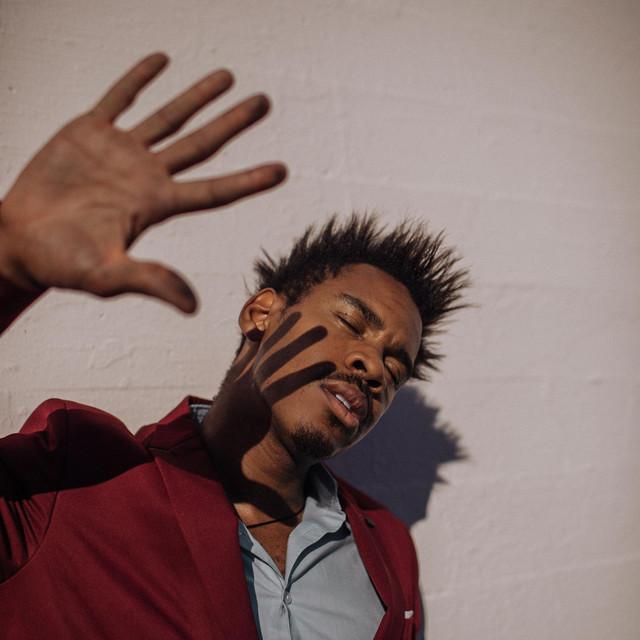
Earl St. Clair

R&B
Contemporary R&B
Soul
Funk
 Viberate Rank: 100578
 Viberate Rank: 100578
 Monthly ListenersFollowers
 Subscribers
 Followers
 Followers
 FansTop Spotify Songs
| Track | 7-Day Streams | |
|---|---|---|
1 | 15.65K | |
2 | 10.81K | |
3 | 9.12K | |
4 | 7.14K | |
5 | 6.15K |
Top YouTube VideosMonthly ListenersFeatured in Playlists| Playlist | Followers | |
|---|---|---|
1 |  Spotify Singles: Complete Collection Spotify | 240.09K |
2 |  Spinnin' Records loicgrandgirard | 112.47K |
3 |  Netflix Kids Official Playlist Spotify | 110.41K |
4 |  Bangers with Babish Andrew Rea | 89.63K |
5 | While You Work (@whileyouwork) Eli Feghali | 81.75K |
Audience| City | Monthly Listeners | |
|---|---|---|
1 |  | 2.76K |
2 | | 1.85K |
3 | | 1.76K |
4 |  | 1.61K |
5 | | 1.54K |
See full performance history, audience data, playlist activity, rankings, comparisons, and more in Viberate music analytics. Start with a free trial, then continue with a paid plan.
Earl St. Clair’s Spotify BioInitially breaking into the music business as a hip-hop producer, Earl St. Clair set out on his own as a soul singer. Armed with a deep, bluesy voice, his songs channel the fervor of classic Southern soul and gospel singers like Al Green and Ray Charles, but with swagger and production techniques ensuring that St. Clair is up to date on contemporary rap, pop, and dance music. He was born in Cleveland, Ohio, but he spent much of his childhood in Alabama, where his father was from. He started experimenting with music production while a college student, and after he dropped out and returned home, he began producing for numerous Cleveland-based rappers. Eventually, he worked on major-label albums by Machine Gun Kelly and Rick Ross, either as a producer or songwriter. He also sang on tracks by EDM titans David Guetta and Avicii, and released a duet with Bibi Bourelly titled "Perfect." The song was released by Def Jam in 2016, and the label also issued St. Clair's solo singles "Man on Fire"… and "Good Time" that year, with "Feeling Alive" following in early 2017. The latter of those three singles also appeared on his debut EP, My Name Is Earl, in the summer of that year. ~ Paul Simpson, Rovi
Viberate is a music analytics platform built for A&Rs, artist managers, labels, booking agents, marketers, and artists.
It helps music professionals track artist growth, analyze audience data, monitor playlist activity, compare artists, follow song performance, and identify opportunities across the music market.
Public artist pages provide a free preview of selected artist data. Paid plans provide access to deeper analytics, historical data, charts, comparisons, playlist tools, exports, alerts, reports, and additional professional features.
Yes. Public Viberate artist pages provide selected artist analytics and music data for free.
Viberate also offers a 7-day free trial of the full platform. A credit card is required to start the trial. The trial includes access to the complete product so users can test deeper artist analytics, historical views, playlist insights, comparisons, charts, exports, alerts, and reporting features before choosing a paid plan.
Viberate provides artist analytics across streaming, playlists, social media, video, radio airplay, songs, and audience markets.
Users can analyze Spotify performance, Spotify and Apple Music playlists, YouTube activity, TikTok and Instagram growth, radio spins, song performance, audience locations, demographics, rankings, and overall artist momentum.
Artist profiles also connect to music charts, similar artists, and comparison tools, helping users benchmark performance and evaluate artists in context.
Viberate updates key artist and track data daily.
For followed artists and tracks, selected data is refreshed multiple times per day. This helps teams monitor playlist changes, streaming movement, audience growth, releases, and campaign performance with more current data.
Update frequency can vary depending on the metric and data source.
Yes. Viberate lets users compare up to five artists side by side across streaming, social media, audience, and engagement metrics.
Users can compare fanbase growth, audience demographics, locations, Spotify performance, social metrics, and other artist data over selected time periods.
Artist comparison can be used for A&R scouting, benchmarking, booking decisions, campaign planning, and evaluating artists with similar audiences or market positions.