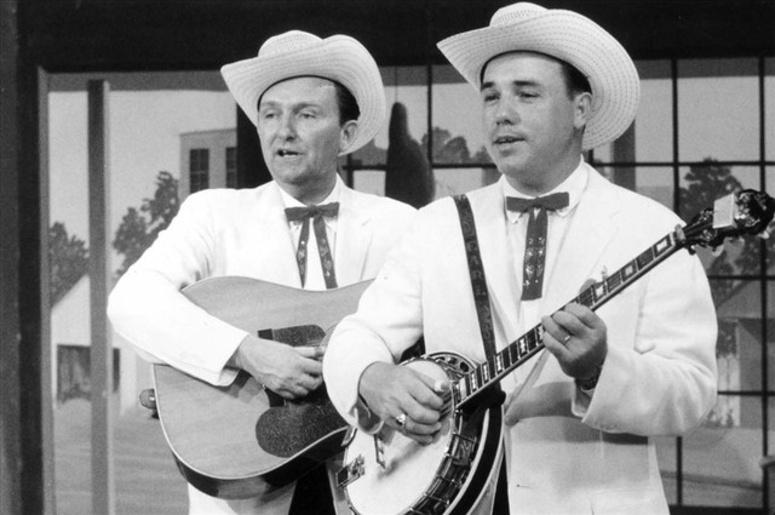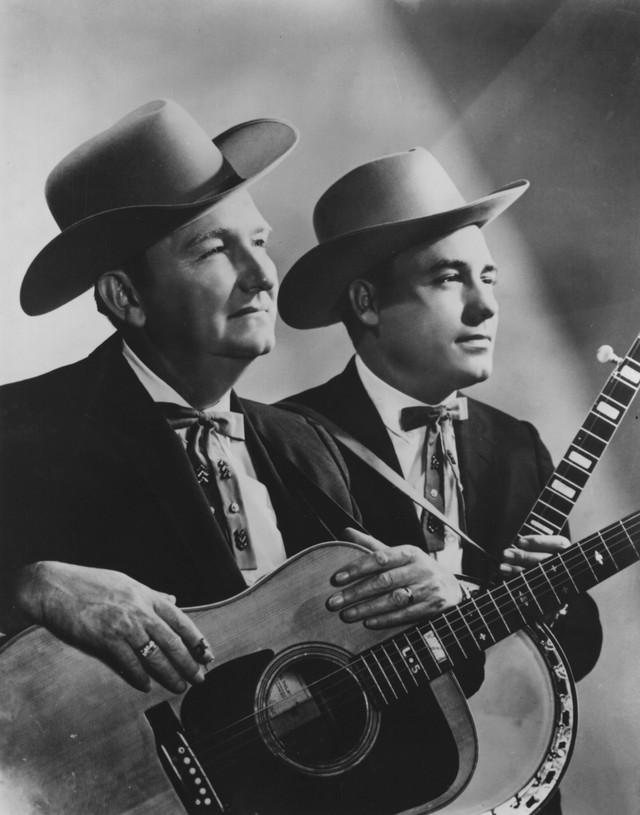
Earl Scruggs

Country
Bluegrass
 Viberate Rank: 71040
 Viberate Rank: 71040
 Monthly ListenersFollowers
 Subscribers
 Followers
 Followers
 FansTop Spotify Songs
| Track | 7-Day Streams | |
|---|---|---|
1 | 34.47K | |
2 | 11.50K | |
3 | 11.31K | |
4 | 7.95K | |
5 | 4.93K |
Top YouTube Videos| Video | 7-Day Views | |
|---|---|---|
1 | 8.98K | |
2 | 3.67K | |
3 | 801 | |
4 | 181 | |
5 | 92 |
Monthly ListenersFeatured in Playlists| Playlist | Followers | |
|---|---|---|
1 |  Classic Country Spotify | 659.52K |
2 |  Americana Icons Spotify | 241.67K |
3 |  Bluegrass Origins Spotify | 93.88K |
4 |  90's Country Hits Cameron Paul | 77.29K |
5 |  This Is Merle Haggard Spotify | 69.91K |
Audience| City | Monthly Listeners | |
|---|---|---|
1 | | 3.38K |
2 | | 2.77K |
3 | | 2.71K |
4 | | 2.53K |
5 | | 2.13K |
See full performance history, audience data, playlist activity, rankings, comparisons, and more in Viberate music analytics. Start with a free trial, then continue with a paid plan.
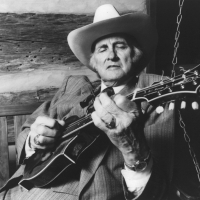
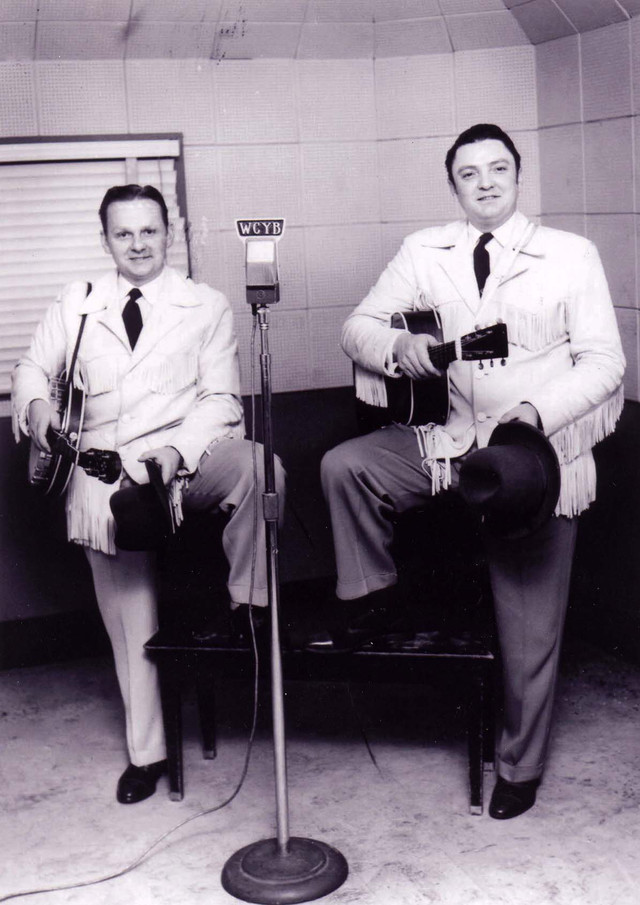
Earl Scruggs’ Spotify BioEarl Scruggs was to the five-string banjo what Paganini was to the violin. As part of the Foggy Mountain Boys and later Flatt & Scruggs (both with Lester Flatt), he created the sound of bluegrass and helped bring it to national recognition through radio shows, recordings, television appearances, and concerts. During the '40s, the group added "Foggy Mountain Breakdown" to the bluegrass canon, and during the '50s and '60s, they became the most visible bluegrass act in the country, performing often on television. The duo's popularity peaked in 1962, when they recorded the theme song to the television sitcom The Beverly Hillbilles. The theme, called "The Ballad of Jed Clampett," became the first number one bluegrass single in early 1963, and the duo made a number of cameos on the show.
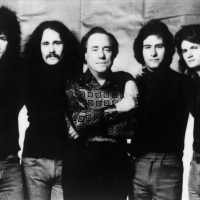
By the end of the '60s, Scruggs wanted to expand their sound and pushed Flatt to cover Bob Dylan's "Like a Rolling Stone" in 1968 as well as land concert appearances in venues that normally booked rock & roll… acts. Flatt wanted to continue in a traditional bluegrass vein. Inevitably, the opposing forces came to a head in 1969, and the duo parted ways. Appropriately, Flatt formed a traditional bluegrass band, the Nashville Grass, while Scruggs assembled a more progressive outfit, the Earl Scruggs Revue, with his two sons.
The Revue appealed more to a young and urban audience and, with dobro player Josh Graves, played rock and other non-country music. By the end of the '70s, Flatt & Scruggs began ironing out the details of a proposed reunion album, but they were scrapped upon Flatt's death on May 11, 1979. Scruggs made many albums after his parting with Flatt, highlighted by 1982's The Storyteller and the Banjo Man (with Tom T. Hall) and 2001's Earl Scruggs and Friends (which featured an all-star cast including Johnny Cash, Elton John, Sting, Vince Gill, Albert Lee, Leon Russell, and Steve Martin). Scruggs was often seen on TV as well, often for reunion appearances. In 2012, he died in Nashville at the age of 88. ~ David Vinopal, Rovi
Viberate is a music analytics platform built for A&Rs, artist managers, labels, booking agents, marketers, and artists.
It helps music professionals track artist growth, analyze audience data, monitor playlist activity, compare artists, follow song performance, and identify opportunities across the music market.
Public artist pages provide a free preview of selected artist data. Paid plans provide access to deeper analytics, historical data, charts, comparisons, playlist tools, exports, alerts, reports, and additional professional features.
Yes. Public Viberate artist pages provide selected artist analytics and music data for free.
Viberate also offers a 7-day free trial of the full platform. A credit card is required to start the trial. The trial includes access to the complete product so users can test deeper artist analytics, historical views, playlist insights, comparisons, charts, exports, alerts, and reporting features before choosing a paid plan.
Viberate provides artist analytics across streaming, playlists, social media, video, radio airplay, songs, and audience markets.
Users can analyze Spotify performance, Spotify and Apple Music playlists, YouTube activity, TikTok and Instagram growth, radio spins, song performance, audience locations, demographics, rankings, and overall artist momentum.
Artist profiles also connect to music charts, similar artists, and comparison tools, helping users benchmark performance and evaluate artists in context.
Viberate updates key artist and track data daily.
For followed artists and tracks, selected data is refreshed multiple times per day. This helps teams monitor playlist changes, streaming movement, audience growth, releases, and campaign performance with more current data.
Update frequency can vary depending on the metric and data source.
Yes. Viberate lets users compare up to five artists side by side across streaming, social media, audience, and engagement metrics.
Users can compare fanbase growth, audience demographics, locations, Spotify performance, social metrics, and other artist data over selected time periods.
Artist comparison can be used for A&R scouting, benchmarking, booking decisions, campaign planning, and evaluating artists with similar audiences or market positions.